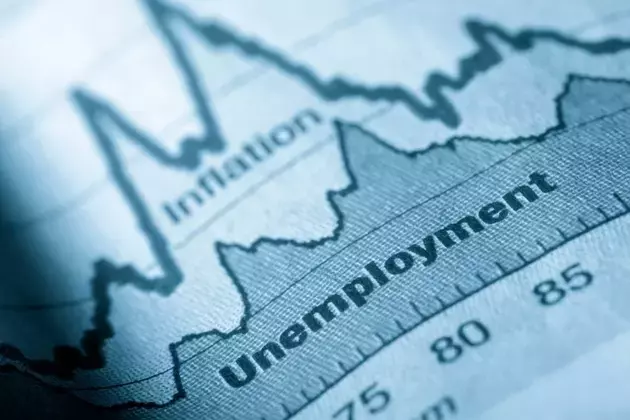
The Federal Reserve's traditional methods for achieving its dual mandate—sustaining stable prices and maximizing employment—are under scrutiny. Recent discussions, spurred by Kevin Warsh's newly formed task forces, highlight a critical re-evaluation of established economic models, especially the Phillips Curve. This shift aims to modernize the Fed's forecasting capabilities and adapt to a rapidly evolving global economic landscape, moving beyond frameworks that may no longer accurately reflect current market dynamics.
As these task forces delve into the complexities of economic prediction, there's an increasing emphasis on whether the central bank should continue to rely on models that link inflation and unemployment, or if a more dynamic approach is required. The outcome could lead to significant changes in how the Fed communicates its economic outlook and formulates its monetary policy, ensuring that its actions remain relevant and effective in fostering long-term economic stability.
Re-evaluating the Federal Reserve's Forecasting Tools
Kevin Warsh's newly formed task forces are deeply engaged in scrutinizing the Federal Reserve's current methodologies for economic forecasting, particularly its approach to fulfilling its twin objectives: controlling inflation and maximizing employment. The traditional Phillips Curve, which historically posited an inverse relationship between unemployment and inflation, is a central point of this review. The task forces are exploring whether this model, once a cornerstone of monetary policy, still holds true in contemporary economic conditions. Factors such as global supply chain shifts, technological advancements, and geopolitical events like trade tariffs are challenging the curve's predictive power. This re-evaluation could lead to fundamental changes in how the Fed assesses economic health and anticipates future trends, moving towards a more adaptive and comprehensive analytical framework.
This initiative represents a significant push to ensure that the Fed's tools and models are robust and responsive to today's complex economic environment. The task forces are considering alternative approaches that might offer a more accurate perspective on inflation and employment dynamics. For instance, they might explore models that incorporate a broader range of economic indicators, including global economic conditions, financial market stability, and demographic changes. The potential outcome is a move away from relying solely on historical correlations and towards a forward-looking methodology that is better equipped to handle unforeseen economic shifts. This could lead to a more nuanced understanding of economic indicators, enabling the Fed to make more informed and precise policy adjustments to maintain stability and foster sustainable growth.
The Diminishing Relevance of the Phillips Curve
The Phillips Curve, once a key instrument in guiding central bank policy, is increasingly being questioned for its diminished utility in modern economic forecasting. Historically, it suggested that policymakers could trade off higher inflation for lower unemployment, or vice-versa. However, recent economic cycles have demonstrated instances where this relationship has either weakened or disappeared entirely. For example, periods of low unemployment have not always translated into significant wage or price increases, challenging the fundamental premise of the curve. New economic realities, such as globalized labor markets, the impact of automation, and shifts in consumer behavior, have introduced complexities that the traditional Phillips Curve struggles to capture, rendering it less reliable for making accurate long-term predictions.
The current analysis suggests that continuing to use the Phillips Curve as a primary guide for monetary policy may lead to misguided decisions. Its reliance on past economic patterns means it may fail to account for emerging trends and structural changes in the economy, such as the influence of global trade policies, technological disrupters, or evolving labor market dynamics. By providing potentially problematic forecasts, the Phillips Curve could push the Federal Reserve to implement policies that are not optimally aligned with current economic conditions. Consequently, there is a strong argument for the Fed to either significantly modify its use of the Phillips Curve or explore entirely new analytical frameworks that can more effectively navigate the complexities and uncertainties of the 21st-century economy, ensuring its policies are both relevant and effective.
