FICO's journey illustrates a remarkable transformation from a pioneering credit scoring model to a dominant force in the financial industry. Initially facing challenges in monetizing its widespread adoption, the company strategically leveraged regulatory changes and contract renegotiations to unlock significant pricing power. This shift not only propelled its financial growth but also brought increased scrutiny from regulatory bodies, highlighting the delicate balance between market leadership and public interest.
The Ascent of FICO: A Chronicle of Financial Influence
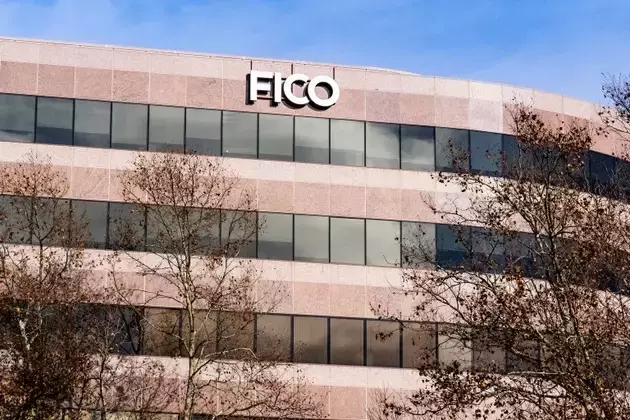
In 1989, Fair Isaac revolutionized the lending landscape by introducing the first general-purpose FICO score. This standardized algorithmic tool, readily available to any lender, marked a pivotal departure from the previously subjective methods of assessing creditworthiness. Its early adoption across various financial sectors, notably credit cards and automotive financing, laid the groundwork for its pervasive influence. By 1991, FICO scores were seamlessly integrated with major credit bureaus, further cementing their status as the industry's benchmark. A significant turning point arrived in 1995 with the endorsement and adoption of FICO by Government-Sponsored Enterprises (GSEs) in the mortgage market. This regulatory validation catalyzed an era of unprecedented growth for FICO in the early 2000s, solidifying its dominant market share. However, despite its widespread use, FICO's initial pricing power remained limited. This dynamic began to shift dramatically after 2018, when strategic renegotiations of contracts allowed FICO to implement annual increases in mortgage royalty rates. This newfound ability to dictate pricing terms led to a substantial surge in revenue, with projections indicating a rise from $1 billion in 2018 to nearly $2 billion by 2025, accompanied by an impressive 75% incremental operating margin. This strategic move, however, did not go unnoticed. The significant price hikes attracted the attention of regulatory bodies, particularly the Federal Housing Finance Agency (FHFA), raising questions about potential market competition and future pricing limitations. The company's headquarters, located in the heart of Silicon Valley, serves as a testament to its innovation and enduring impact on the global financial ecosystem.
FICO's trajectory offers valuable insights into the dynamics of innovation, market penetration, and the complexities of pricing power within a regulated industry. The company's ability to evolve its business model from mere adoption to strategic monetization underscores the importance of adaptability. However, its experience also serves as a reminder that unchecked pricing power, even for a universally accepted standard, can invite regulatory intervention. The ongoing dialogue between FICO and regulatory bodies highlights a crucial aspect of modern capitalism: balancing corporate growth with the broader public good and ensuring fair competition. It prompts us to consider how essential services, once established, can maintain their integrity and accessibility amidst commercial pressures.
