FASB: The Cornerstone of Accountable Financial Reporting
The Mandate and Mission of the Financial Accounting Standards Board
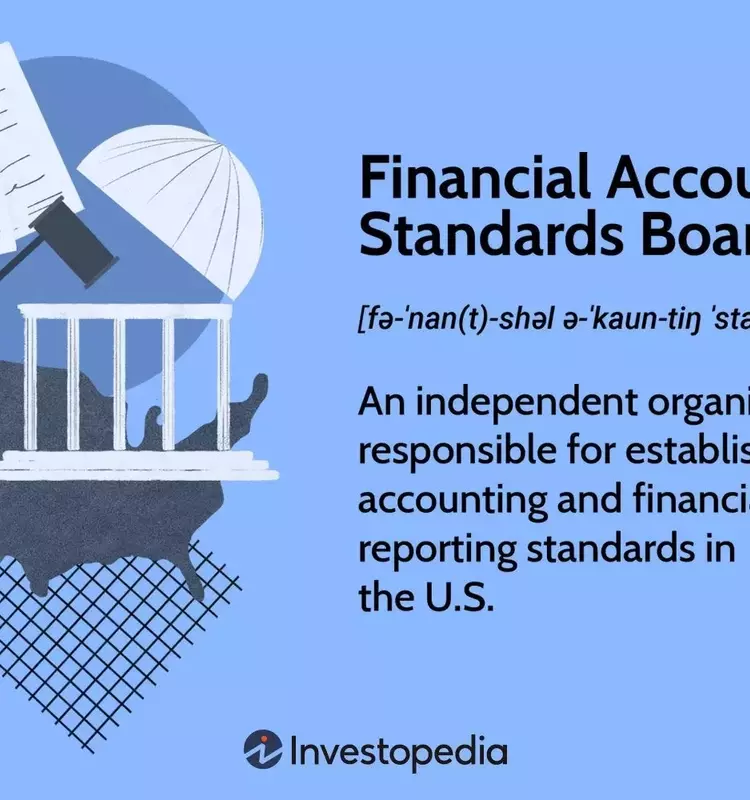
The Financial Accounting Standards Board (FASB) operates as an autonomous, not-for-profit entity dedicated to establishing accounting and financial reporting benchmarks for both commercial enterprises and non-profit organizations within the United States. Its inception in 1973 marked a significant transition from its predecessor, the Accounting Principles Board. Based in Norwalk, Connecticut, FASB actively engages with the International Accounting Standards Board (IASB) to foster global harmonization of reporting practices. The organization is overseen by a board of trustees and full-time members.
FASB's Role in Defining Accounting Standards
FASB possesses the authority to create and interpret Generally Accepted Accounting Principles (GAAP) for both public and private sector entities, including non-profit organizations. GAAP represents a comprehensive framework of standards that guide the preparation and presentation of financial statements, encompassing all relevant transactions. The Securities and Exchange Commission (SEC) formally acknowledges FASB as the authoritative body for setting accounting standards for publicly traded companies. Additionally, state accounting boards, the American Institute of Certified Public Accountants (AICPA), and various other industry organizations recognize FASB's crucial role.
The Organizational Structure Supporting FASB's Work
FASB is an integral part of a broader independent non-profit group. This group includes the Financial Accounting Foundation (FAF), the Financial Accounting Standards Advisory Council, and the Governmental Accounting Standards Board (GASB) along with its advisory council. Established in 1984, GASB mirrors FASB's function by setting accounting and financial reporting standards for state and local government entities across the US. The FAF provides overarching supervision for both FASB and GASB, while their respective advisory councils offer strategic guidance. The collective aim of these organizations is to elevate the quality of financial accounting and reporting standards for non-profits, ensuring the information is valuable to investors and other users. They also play a vital role in educating stakeholders on the effective comprehension and implementation of these standards.
Governance and the Accounting Standards Codification
FASB is governed by a board of seven full-time members. These members are required to relinquish any prior affiliations with companies or organizations before joining the board. Appointments are made by the FAF's board of trustees for five-year terms, with the possibility of serving for a maximum of ten years. In 2009, the FAF introduced the FASB Accounting Standards Codification, an online research tool. This resource consolidates all authoritative, non-governmental Generally Accepted Accounting Principles in the US into a single, accessible source. The Codification reorganizes thousands of US GAAP pronouncements into approximately 90 accounting topics, each presented with a consistent structure. It also integrates relevant SEC guidance on these topics. A basic, free version is available, while a more comprehensive 'professional view' requires a paid subscription.
FASB and IASB: Bridging Global Accounting Differences
The International Accounting Standards Board (IASB), based in London and established in 2001 as a successor to an earlier standards body, is responsible for the International Financial Reporting Standards (IFRS). IFRS are widely adopted in numerous countries worldwide. In recent years, FASB has actively collaborated with the IASB on an initiative aimed at enhancing financial reporting and fostering greater comparability of financial reports on a global scale. This cooperation seeks to reduce discrepancies and promote a more unified approach to accounting practices across international markets.
The Enduring Influence of FASB on Financial Clarity
The Financial Accounting Standards Board (FASB) is indispensable in shaping US accounting and financial reporting norms under GAAP. Its recognition by the SEC and AICPA underscores its authority. FASB's collaborative efforts with the International Accounting Standards Board (IASB) are instrumental in standardizing global practices, thereby bolstering market transparency. Supported by entities such as GASB and FAF, FASB guarantees consistency and accountability in financial disclosure. The Accounting Standards Codification serves as a crucial reference, streamlining the access and application of US GAAP principles.
