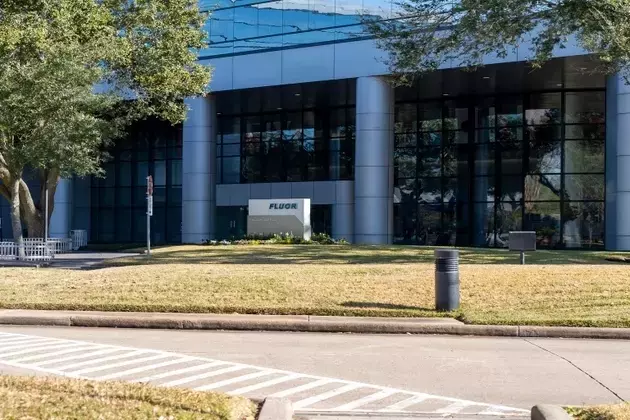
Despite a generally positive outlook from analysts, particularly after the Q2 2026 financial results, Fluor Corporation (FLR) is currently assessed as a 'Hold' due to ongoing market fluctuations, sluggish growth projections, and a lack of shareholder dividends. The company's accumulated orders and move towards cost-reimbursable agreements are not seen as a definitive safeguard for consistent profitability, especially considering past performance issues and project-specific uncertainties. The optimistic forecasts for FLR's earnings per share and its potential for a high valuation are viewed skeptically, with an $86/share valuation considered improbable. A more realistic price target is set at $34/share, suggesting that Vinci represents a more appealing investment choice within the industry, offering greater stability and regular dividend payments.
Fluor Corporation's financial landscape is characterized by a significant backlog of projects and a strategic shift towards reimbursable contracts. While these factors might typically suggest a stable revenue stream, a deeper analysis reveals underlying vulnerabilities. The company's historical performance has often fallen short of expectations, indicating that its operational efficiencies and project management capabilities may not fully support aggressive growth targets. Furthermore, the nature of large-scale engineering and construction projects inherently involves risks such as cost overruns, regulatory changes, and unforeseen technical challenges. These risks, even under reimbursable contract structures, can impact client relationships and future project acquisition, thereby affecting long-term earnings predictability.
The discrepancy between the bullish analyst consensus and a more cautious 'Hold' rating stems from several key observations. Firstly, the broader economic environment continues to present challenges, with global supply chain disruptions and inflationary pressures potentially impacting project costs and timelines for Fluor. Secondly, while the company's backlog provides a certain level of revenue visibility, it does not necessarily translate into high-margin profitability, especially if a significant portion of these contracts are low-margin or subject to intense competitive bidding. Thirdly, the absence of a dividend policy, in contrast to competitors, may deter income-focused investors, limiting the stock's appeal and potentially suppressing its valuation in a market that increasingly values consistent shareholder returns.
The investment hypothesis suggests that Fluor Corporation's current market valuation may not fully account for these persistent challenges. The projected earnings per share growth and a premium valuation, as suggested by some analysts, appear overly optimistic given the firm's track record and the inherent complexities of its operational model. The comparison with Vinci highlights a preference for companies demonstrating more reliable performance, a clear commitment to shareholder returns through dividends, and a more diversified operational base that mitigates sector-specific risks. Therefore, while Fluor may hold potential for some investors with a higher risk tolerance, the current assessment advocates for a cautious approach, focusing on more established and stable alternatives.
In conclusion, despite the positive sentiment surrounding its recent quarterly earnings, Fluor Corporation faces considerable hurdles, including market volatility, modest growth prospects, and the absence of dividend distributions. The shift towards reimbursable contracts and a robust project backlog does not fully mitigate concerns regarding earnings consistency or the inherent risks associated with large-scale projects. The ambitious growth forecasts and premium valuation targets appear unsustainable given the company's past performance and prevailing market conditions. A more conservative valuation suggests a limited upside, emphasizing the need for investors to seek out companies with stronger financial stability and a more attractive shareholder return policy, such as Vinci, within the same sector.
