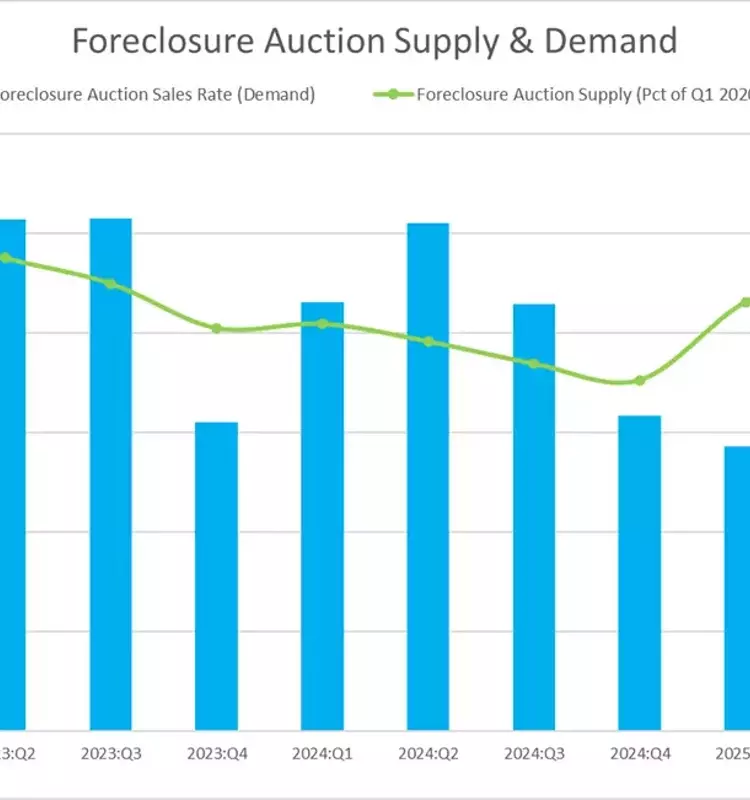
The U.S. housing market is currently navigating a period of notable change, as evidenced by a substantial increase in foreclosure auction volumes during the second quarter of 2025. This surge, predominantly influenced by a rise in foreclosures related to VA-backed loans, signals a critical juncture for the distressed housing segment. Simultaneously, a decline in buyer engagement at these auctions suggests a cautious investor sentiment, prompting a reevaluation of market dynamics and their potential influence on broader real estate values.
This evolving scenario, where rising foreclosures intersect with waning buyer enthusiasm, could reshape the trajectory of home prices and inventory levels. It underscores the intricate relationship between lending policies, market demand, and the overall health of the housing sector, pointing towards a future where adaptations to these new realities will be crucial for all stakeholders.
Surge in Foreclosures and VA Loan Impact
In the second quarter of 2025, foreclosure auction volumes saw a significant 19% increase compared to the previous year, reaching their highest point in two years. This notable rise is largely attributed to a dramatic 428% jump in foreclosures involving properties secured by U.S. Department of Veterans Affairs (VA) loans, following the expiration of a moratorium in December 2024. The sudden influx of VA-backed properties into the foreclosure pipeline has been a primary catalyst for the overall increase in distressed housing inventory, marking a critical shift in the market's dynamics. This development highlights the sensitivity of the housing market to policy changes and the significant impact such changes can have on specific lending segments, particularly those designed to support veterans.
This sharp acceleration in VA-loan related foreclosures suggests a backlog of cases that were held in abeyance during the moratorium, now entering the market simultaneously. The expiration of the moratorium effectively released a wave of properties that had been shielded from foreclosure proceedings, contributing to the elevated auction volumes. This situation not only reflects the vulnerability of some homeowners in the current economic climate but also provides a clearer picture of the latent distressed inventory that had been temporarily suppressed. The disproportionate increase in VA loan foreclosures, compared to other loan types, underscores the immediate and profound effect of the moratorium's end, serving as a bellwether for how policy shifts can quickly reconfigure segments of the real estate market.
Buyer Sentiment and Market Repositioning
As foreclosure volumes climb, particularly those linked to VA loans, buyer demand at auctions has simultaneously retreated to multi-year lows, indicating a growing reluctance among investors to acquire these properties. A survey of auction buyers in July 2025 revealed that 38% felt less inclined to purchase under current conditions, a sentiment echoed by concerns over rising interest rates and their impact on profitability. One Texas-based buyer noted a significant increase in property holding times, from an average of 120 days to over two years, underscoring the challenges posed by a cooling market and downward pressure on home prices. This softening demand signals a shift in investor confidence, with many adopting a more cautious approach and holding onto liquid assets while awaiting more favorable market entry points.
Despite the prevailing caution, there remains a segment of investors who express cautious optimism. Approximately 37% of Auction.com buyers anticipate increasing their acquisitions of auction properties in the coming quarter, a slight rise from the previous quarter. This divergence in sentiment reflects differing strategies within the investment community, with some seeing the current conditions as an opportunity for strategic entry. The increase in foreclosures has also led to a higher proportion of properties ending up in real estate-owned (REO) auctions, as fewer third-party buyers are stepping in. Notably, vacant properties account for a significant portion of this increase, rising 31% from the previous year to a five-year peak. This trend is viewed positively by some market participants, as it suggests that more distressed inventory is being cleared, paving the way for renovation and reintroduction into the housing supply. This dynamic could benefit less experienced buyers, including owner-occupants, who might find vacant properties more accessible and less encumbered by existing occupants. Although current foreclosure levels remain below pre-pandemic figures, the steady rise over the past two quarters, coupled with increasing retail market inventory, is poised to exert further pressure on home prices, contributing to a broader market recalibration.