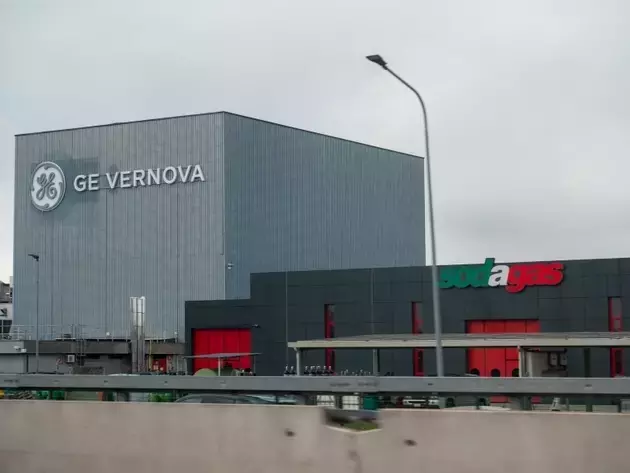
The market's current valuation of GE Vernova seems to be significantly influenced by the projected surge in energy demand due to artificial intelligence, leading to an overestimation of the company's actual growth trajectory. While the AI boom indeed creates new opportunities, the physical limitations inherent in infrastructure development and the global shift towards renewable energy sources present considerable challenges that are not adequately reflected in GE Vernova's current stock price. A comprehensive evaluation reveals a disconnect between the market's enthusiastic outlook and the practical realities of the energy sector, suggesting a more conservative assessment of the company's future performance is warranted.
GE Vernova's stock performance, particularly its doubling in value, appears to be primarily fueled by speculative interest rather than a robust analysis of its fundamental capabilities and market positioning. The enthusiasm surrounding AI-driven energy demand has created a narrative of hyper-growth that overshadows the tangible constraints on the company's expansion. This inflated valuation, characterized by a high forward P/E ratio, indicates that the market has integrated ambitious growth expectations into the stock price, potentially overlooking critical factors that will dictate the company's actual revenue and profit generation in the coming years. This speculative fervor underscores the need for a more grounded examination of GE Vernova's operational environment.
Valuation Discrepancy in the AI Era
GE Vernova's current market valuation of $287 billion, accompanied by a forward P/E ratio of 70, appears to reflect a highly optimistic outlook driven by the anticipated energy demands of the artificial intelligence sector. This enthusiastic valuation suggests that investors are pricing in an extraordinary growth trajectory, far exceeding the company's historical performance or the typical growth rates for industrial firms. The surge in AI-related energy hype has fundamentally altered how some traditional industrial companies are perceived in the market, with GE Vernova emerging as a prime example of this phenomenon. However, this assessment warrants a deeper look into the practicalities of meeting such elevated expectations, especially when considering the physical and market-specific limitations that could impede exponential growth.
The market's current perception of GE Vernova is heavily influenced by the narrative of AI driving unprecedented energy consumption, leading to a valuation that implies a dramatic increase in profitability, potentially tripling current figures. This speculative enthusiasm, however, is not entirely grounded in the operational realities of the energy infrastructure sector. Equipment sales, a core component of GE Vernova's business, are unlikely to experience growth beyond a 1.5-fold increase due to inherent physical constraints in manufacturing capacity, supply chain limitations, and project lead times. This discrepancy between market expectations and practical limitations suggests that the stock is overvalued, as the anticipated profit surges are not supported by a realistic assessment of the company's capacity to expand its output and capture the projected demand.
Physical and Market Constraints on Growth
Despite the current spikes in demand for energy infrastructure, GE Vernova's core market upside for gas turbines is significantly curtailed by the prevailing trend in new power capacity additions. The majority of new power installations, particularly in the U.S., are now concentrated in renewable energy sources rather than traditional gas-fired plants. This shift fundamentally alters the long-term growth prospects for companies heavily invested in fossil-fuel-based power generation equipment. While the immediate demand linked to AI data centers might offer a temporary boost, the broader industry trajectory towards decarbonization poses a structural challenge to GE Vernova's traditional business model, limiting its ability to achieve sustained hyper-growth in its primary segments.
The physical limitations on GE Vernova's ability to scale its equipment sales act as a harsh ceiling on its overall growth potential, irrespective of the soaring demand narratives driven by AI. Manufacturing advanced energy components, such as gas turbines, is a complex process with inherent lead times, specialized supply chains, and significant capital expenditure requirements. These factors make it improbable for the company to rapidly increase production to the extent implied by its current valuation. Furthermore, the global energy transition favors renewable sources like solar and wind, which receive substantial investment and policy support. This strategic shift in the energy landscape means that even if demand for electricity grows exponentially, a disproportionately smaller share will translate into orders for GE Vernova's conventional power generation solutions, making the current stock price unsustainable in the long run.
