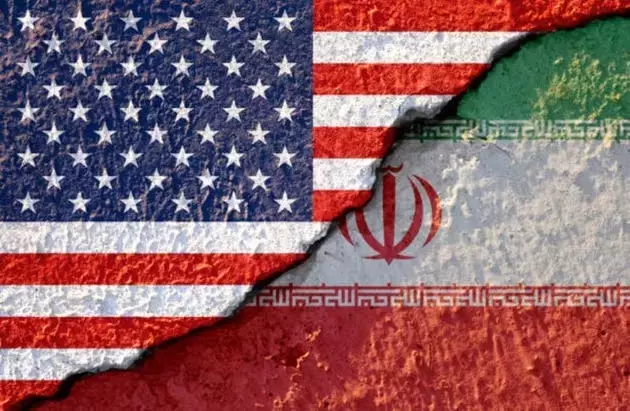
Geopolitical tensions and shifting economic indicators have recently spurred significant movements across various commodity markets. Oil prices have demonstrated resilience, achieving gains for the third consecutive day as concerns over US-Iran relations persist. This has translated into a robust physical oil market, characterized by elevated premiums for immediate supplies. Concurrently, investor interest in natural gas has surged, marked by a substantial increase in net long positions in the Dutch TTF futures. In the precious metals sector, gold has benefited from weaker-than-expected US producer price data, leading to a depreciation of the dollar and a decline in Treasury yields. Agricultural commodities also saw notable activity, with wheat futures experiencing a pronounced rally. These diverse market reactions underscore the complex interplay of geopolitical events and macroeconomic factors influencing global commodity dynamics.
Amidst ongoing geopolitical uncertainty and evolving economic signals, commodity markets are exhibiting dynamic shifts. The persistent tensions between the US and Iran continue to be a primary driver for crude oil, leading to a third day of price increases and highlighting the physical market's sensitivity to supply disruptions. This environment has prompted investors to adjust their positions in other key commodities as well. Specifically, natural gas markets have observed a significant influx of capital, with investment funds boosting their net long positions, indicating a bullish outlook for the fuel. Meanwhile, the gold market is reacting to broader economic data, with softer US producer prices contributing to a weakened dollar and lower bond yields, thereby enhancing the appeal of the safe-haven asset. The agricultural sector, particularly wheat, has also shown remarkable volatility, with futures prices climbing sharply. These movements collectively illustrate a period of heightened activity and re-evaluation across the commodity complex, as participants respond to a confluence of international relations and domestic economic performance.
Oil Market Reacts to Geopolitical Strain
The global oil market has recently displayed a notable upward trend, marking a third consecutive day of price increases. This sustained rally is primarily attributed to the lingering geopolitical tensions between the United States and Iran, with little indication of an imminent de-escalation. The continuous friction between these two nations, particularly concerning the Strait of Hormuz and nuclear ambitions, fuels market speculation about potential supply disruptions. As a result, the physical oil market has exhibited renewed strength, pushing benchmark crude prices higher. This situation highlights the acute sensitivity of global energy supplies to political developments in key producing regions, prompting market participants to factor in an elevated risk premium. The absence of a clear resolution to the US-Iran standoff maintains a bullish sentiment in the crude oil complex, underscoring the critical role of geopolitics in shaping energy market dynamics.
Ongoing friction between the US and Iran has propelled oil prices upward, extending gains into a third trading session as the prospects for de-escalation remain dim. This sustained geopolitical unease has created a noticeable tightening in the physical oil market, leading to higher bids for immediate deliveries. Traders and analysts are closely monitoring the situation, recognizing that any further escalation could significantly impact global crude supplies and transit routes, especially through critical chokepoints like the Strait of Hormuz. The lack of concrete steps towards diplomatic resolution means that market sentiment continues to be dominated by supply-side concerns. This environment not only supports current price levels but also introduces considerable volatility, as investors weigh the potential for unforeseen events. Consequently, the physical oil market is witnessing robust demand and elevated premiums, reflecting the market's response to an uncertain geopolitical landscape that continues to influence fundamental supply-demand balances.
Broad Commodity Market Movements
Beyond crude oil, other commodity markets have also experienced significant shifts, influenced by both geopolitical factors and broader economic indicators. The natural gas market, in particular, has seen substantial activity, with investment funds aggressively increasing their net long positions in the Dutch TTF natural gas futures. Over the last reported week, these holdings surged by 26.7 terawatt-hours (TWh) to reach a total of 181.9 TWh. This strong accumulation of long positions indicates a growing bullish sentiment among investors for natural gas, possibly driven by expectations of tighter supply, increased demand, or concerns related to European energy security as winter approaches. This trend suggests a strategic positioning by funds, anticipating upward price movements in response to market fundamentals and potential geopolitical impacts on gas flows.
In addition to the notable movements in oil and natural gas, the broader commodity complex has also shown responsiveness to recent economic data and market sentiment. Gold, a traditional safe-haven asset, saw its value appreciate for a second consecutive session. This rise was primarily triggered by the release of softer-than-expected US producer price index (PPI) data, which suggested a potential easing of inflationary pressures. The subdued PPI figures led to a weakening of the US dollar and a decline in Treasury yields, making gold more attractive to investors. Concurrently, agricultural markets witnessed a significant rally, with CBOT wheat prices experiencing a substantial surge. Wheat futures closed more than 7.3% higher, reflecting heightened concerns over global supply, adverse weather conditions in key growing regions, or increased geopolitical risks impacting grain trade. These diverse reactions across gold and agricultural commodities highlight the multifaceted influences of macroeconomic data and global events on different segments of the commodity market, pointing to a period of recalibration and strategic positioning by market participants.
