Geopolitical Tensions and Their Impact on Global Bond Markets
Finance

Geopolitical Tensions and Their Impact on Global Bond Markets

authorBy Michele Ferrero
DateMay 15, 2026
Read time2 min

Global bond markets are currently navigating a period of uncertainty, with a keen eye on key thresholds and geopolitical developments. The US Treasury market, in particular, finds itself in a state of anticipation, as investors await a decisive move past the 4.5% yield mark. This level is widely regarded as a critical point, acting as both an attractive entry for new buyers and a potential trigger for a more significant upward trend in yields if breached. Meanwhile, the Eurozone's 10-year swap rate hovers within a narrow band, its future direction intricately linked to the broader economic impact of volatile oil prices and the potential for increased inflation across the region. The interplay of these factors suggests a market on edge, ready to react to both economic data and international events.

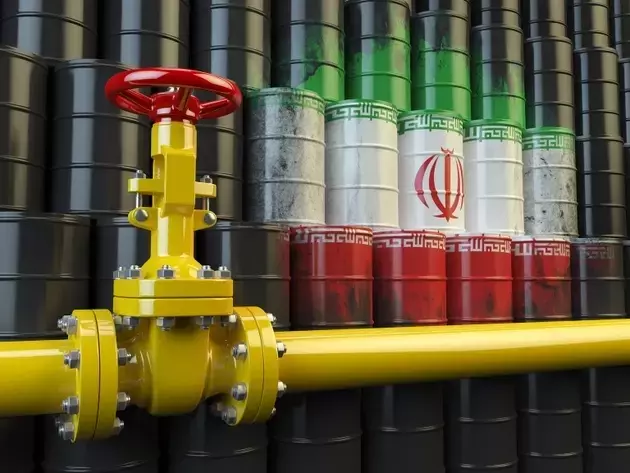
Geopolitical risks are increasingly influencing market sentiment, with specific attention now turning towards the Middle East. While recent market discussions may have centered on China's economic trajectory, the narrative is now firmly shifting to the implications of events in Iran. Tensions in this region have a direct bearing on global oil supplies and, consequently, on energy prices. An escalation of these tensions could lead to sustained high oil prices, fueling inflationary pressures worldwide. Such a scenario would inevitably affect central bank policies and, in turn, bond yields, adding another layer of complexity to an already intricate global financial landscape.

The confluence of these factors underscores the fragile nature of market stability. The US Treasury's dance around the 4.5% yield, coupled with the Eurozone's sensitivity to oil price-driven inflation, illustrates a market highly reactive to external shocks. As the focus sharpens on geopolitical developments, particularly those concerning oil-producing regions, investors and policymakers alike must remain vigilant. The potential for these events to disrupt economic forecasts and market equilibrium is substantial, demanding a cautious yet adaptive approach to investment and policy decisions.

In these times of uncertainty, it is crucial for us to approach economic challenges with resilience and informed decision-making. By understanding the intricate connections between global events and financial markets, we can better prepare for potential shifts and work towards sustainable economic growth. Embracing adaptability and a forward-looking perspective will empower us to navigate complexities and forge a path towards a more stable and prosperous future.

More Articles
Finance
Reinsurance Group of America: Analyzing Financial Performance and Investment Strategy
Reinsurance Group of America (RGA) showcases strong Q1 2026 profitability with an adjusted operating EPS of $6.97 and a 16.2% trailing 12-month adjusted ROE. The company boasts a robust investment portfolio, primarily composed of investment-grade fixed maturity securities and mortgage loans. RGA has strategically redeemed its RZB baby bond and is expected to call RZC in October 2027 due to its high reset coupon, offering an attractive yield to call and capital appreciation for investors.
By Nouriel RoubiniMay 15, 2026
Finance
Abrams Capital Management's Q1 2026 Portfolio Adjustments and Key Holdings
In Q1 2026, Abrams Capital Management significantly streamlined its portfolio, reducing its value to $4.64 billion across just 10 concentrated holdings. A substantial portion, approximately 40%, is invested in Loar Holdings, despite a recent reduction in its stake. The firm divested entirely from Energy Transfer and drastically cut its position in Nuvation Bio. Core investments in Lithia Motors, Asbury Automotive, and Coupang were maintained, signaling continued confidence in these key assets.
By Nouriel RoubiniMay 15, 2026
Finance
NASDAQ-100 vs. S&P 500: A Comprehensive Performance Analysis
This article explores the historical performance of the Nasdaq-100 and S&P 500 indices, highlighting their differences in composition, risk, and returns over two decades. The Nasdaq-100, dominated by tech-heavy growth stocks, has shown superior returns but higher volatility. In contrast, the S&P 500 offers broader diversification across various sectors. Investors must weigh their risk tolerance and financial goals when choosing between these prominent market benchmarks.
By Michele FerreroMay 15, 2026
Finance
HighPeak Energy: Operational Efficiency and Future Growth Projections
HighPeak Energy achieved significant operational improvements in Q1 2026, boosting oil sales and reducing costs. The company anticipates enhanced free cash flow by late 2026, driven by lower capital expenditure and rising oil prices, despite existing hedging strategies. However, a potential dip in the oil cut is foreseen due to fewer new wells coming online.
By Michele FerreroMay 15, 2026
Finance
Invesco Main Street Small Cap Fund Q1 2026 Performance Analysis
The Invesco Main Street Small Cap Fund's Class A shares experienced a -1.04% return in Q1 2026, underperforming the Russell 2000 Index's 0.89%. This shortfall was largely attributed to stock selection in healthcare, industrials, and financials, despite positive contributions from information technology and real estate sectors. Key performers included Chef's Warehouse and Northern Oil and Gas, while Aeroenvironment was divested due to contract uncertainties.
By Suze OrmanMay 15, 2026