The global electric vehicle sector experienced notable shifts in May 2026, with overall sales climbing by 9% compared to the previous year, securing a 24% market presence. This growth was not uniform across regions; Europe saw a robust 35% increase, capturing 33% of its market, while China's sales dipped by 7%, maintaining a 61% share. The United States, however, faced a considerable downturn, with sales falling by 36% to a mere 6.08% market penetration. This period highlighted a growing trend among Chinese truck drivers to switch to electric vehicles, driven by escalating fuel costs, posing a significant competitive challenge for international car manufacturers. Furthermore, China's new energy vehicle (NEV) exports surged, indicating a strong global push. Leading companies such as BYD and Geely reported impressive growth in their international sales and export volumes, while Nio and Leapmotor also achieved strong delivery numbers. Conversely, Ford experienced a decline of about 31% in its electrified vehicle sales, underscoring the dynamic and competitive nature of the global EV market.
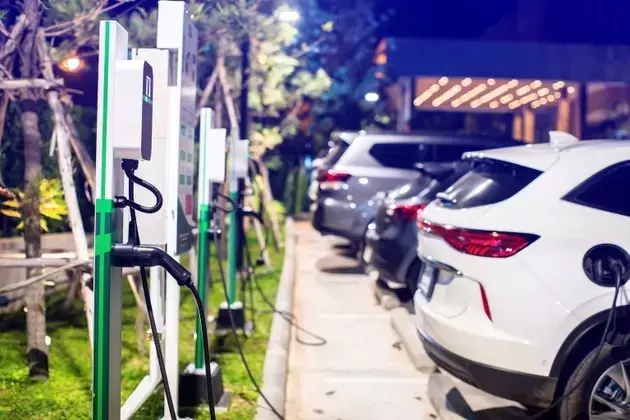
This month's analysis reveals a complex landscape within the EV industry, characterized by regional disparities in adoption and varying performances among key players. The surge in European EV sales underscores a robust demand and supportive policy environment in the region. Meanwhile, the deceleration in China's domestic market, despite its dominant share, suggests a maturation phase or increased competition, pushing Chinese manufacturers to expand their global footprint through exports. The struggles of traditional automakers outside China to keep pace with their Chinese counterparts in the EV segment are becoming more apparent, signaling a potential shift in global automotive leadership. The continued expansion of EV infrastructure, such as charging stations, and technological advancements are crucial factors influencing these market dynamics. These developments collectively point towards an evolving industry where innovation, market adaptability, and strategic global expansion are paramount for sustained success.
Global Market Dynamics and Regional Divergences in EV Adoption
In May 2026, the worldwide electric vehicle market demonstrated a significant 9% year-over-year growth, capturing an impressive 24% share of the total vehicle market. This expansion was predominantly fueled by a surging demand in Europe, which recorded a 35% increase in EV sales, pushing its market share to 33%. This substantial growth in Europe highlights a strong consumer appetite and effective government incentives promoting electric mobility. Conversely, China, despite holding the largest market share at 61%, experienced a 7% decline in sales, suggesting a potential shift in its domestic market dynamics, possibly due to increased competition or evolving consumer preferences. The North American market, particularly the USA, saw a notable contraction, with sales dropping by 36% to 6.08%, indicating potential challenges such as infrastructure limitations or slower consumer adoption rates compared to other regions. These regional disparities underscore the diverse factors influencing EV market penetration globally, from policy support and economic conditions to consumer awareness and technological readiness.
The contrasting performances across key regions reflect a dynamic and rapidly evolving global EV landscape. Europe's accelerated adoption is driven by stringent emission regulations, robust charging networks, and a growing consumer preference for sustainable transportation. This environment has fostered significant investment in EV production and model diversity, appealing to a broader customer base. In China, the slight downturn in sales, even from a high base, prompts closer examination of domestic competition, evolving subsidy policies, and consumer behavior in a maturing EV market. The country's strong export figures, however, suggest that Chinese manufacturers are strategically expanding into international markets to sustain growth. The decline in the USA market points to the need for enhanced infrastructure development, more competitive pricing, and sustained marketing efforts to overcome barriers to mass adoption. Understanding these regional nuances is critical for stakeholders to navigate the complexities of the global EV industry effectively, informing strategic decisions for market entry, product development, and policy advocacy.
Key Industry Players and Emerging Trends in EV Manufacturing
The electric vehicle industry in May 2026 was marked by several significant developments among leading manufacturers and emerging trends that are reshaping the competitive landscape. A notable trend observed was the increasing adoption of electric trucks by Chinese drivers, driven by the escalating cost of gasoline, signaling a broader shift towards commercial EV applications. This has intensified the pressure on global automakers who are struggling to compete with the rapid innovation and cost-effectiveness offered by Chinese manufacturers. China's new energy vehicle (NEV) exports experienced a substantial surge, with Chery emerging as the second-largest NEV exporter in April with 57,910 units, showcasing the country's growing influence in the international EV market. Companies like BYD reported booming overseas sales, exceeding 160,000 units in May, while Geely Auto's exports soared by 184% year-on-year. Domestic Chinese brands like Leapmotor achieved a new high with 81,569 deliveries in May, an 81% increase from the previous year, and Nio delivered 37,705 vehicles, up 62.3% year-on-year. In contrast, Ford's total electrified vehicle sales declined by approximately 31%, highlighting the challenges faced by traditional automakers in adapting to the fast-paced EV transition.
The performance of these key players and the broader industry trends underscore a pivotal moment in the global automotive sector. The dominance of Chinese manufacturers in both domestic sales and exports, coupled with their competitive pricing and rapid product cycles, is setting a new benchmark for the industry. This is forcing established global brands to re-evaluate their strategies, accelerate their EV development, and explore new market partnerships. The increasing diversification of EV offerings, including commercial vehicles, indicates a widening scope of electric mobility beyond passenger cars. The success of companies like BYD, Geely, Leapmotor, and Nio reflects their agility in responding to market demands, investing in cutting-edge technology, and building robust supply chains. The struggles of some legacy automakers suggest that a failure to innovate and adapt quickly can lead to significant market share losses. The competitive intensity is expected to continue, driving further advancements in battery technology, charging infrastructure, and autonomous driving features, ultimately benefiting consumers and accelerating the global transition to sustainable transportation.
