Major global economic events are unfolding, encompassing a critical power emergency in the U.S., new import tariffs in the European Union, and a significant corporate divestiture. These developments underscore the dynamic nature of international markets, influenced by environmental challenges, trade policies, and strategic business realignments. Stakeholders across various sectors are closely monitoring these situations, which are expected to have far-reaching implications for energy supply, consumer spending, and competitive landscapes.
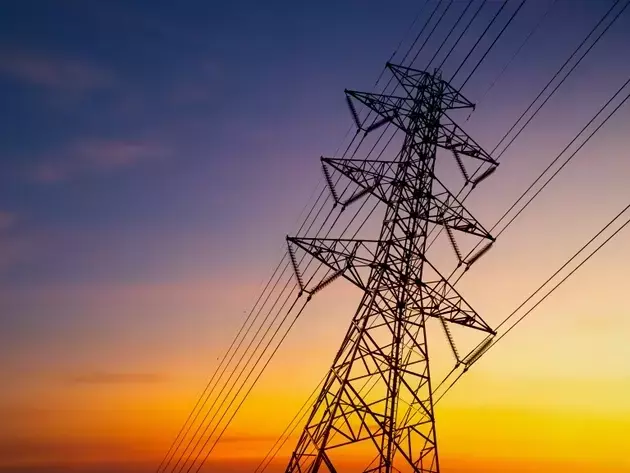
The U.S. Department of Energy recently declared a power emergency for PJM Interconnection, the largest electricity grid in the nation. This declaration, issued on Tuesday, was a direct response to a statutory emergency stemming from a combination of soaring electricity demand and insufficient generation capacity. The PJM region, which serves approximately 67 million people across 13 states, is grappling with extreme temperatures, with forecasts indicating heat exceeding 100 degrees Fahrenheit. The emergency order permits power plants within this region to operate at maximum output and temporarily bypass certain environmental regulations to ensure grid stability and mitigate potential blackouts. This move comes after PJM's formal request on June 29, highlighting an "imminent electricity reliability emergency." This summer has already presented considerable challenges for the U.S. power system, as evidenced by a similar emergency order last month to deploy backup generation resources in PJM to support the Mid-Atlantic region. Key utilities affected by these measures include Constellation Energy, NextEra Energy, Vistra, American Electric Power, Exelon, Dominion Energy, Duke Energy, Southern Company, NRG Energy, and Consolidated Edison.
Simultaneously, the European Union has begun implementing a €3 customs fee on low-value e-commerce imports originating from outside the bloc. This new tariff is anticipated to increase costs for consumers purchasing goods from major Chinese online marketplaces like Shein, Temu, and AliExpress. Effective immediately, the €3 charge applies to imports valued under €150. This interim measure is slated to be replaced by more specific duties based on product categories, starting July 1, 2028, coinciding with the launch of the new EU Customs Authority. European policymakers justify this action by asserting that the previous duty exemption for goods under €150 was being misused by ultra-low-cost retailers. They argue that this exploitation created an uneven playing field for local businesses and overburdened customs agencies, necessitating a policy adjustment to foster fair competition and efficient trade processes.
In corporate news, FedEx (FDX) is reportedly in advanced discussions to sell its third-party logistics division to CMA CGM, a French container shipping group, for an estimated $1.4 billion in cash. Sources familiar with the negotiations, as reported by the Financial Times, suggest that a deal could be finalized imminently. This potential divestiture represents a significant strategic shift for FedEx, allowing the company to streamline its operations and focus on its core parcel delivery services. The sale would enable FedEx to shed a non-core asset and potentially reallocate capital towards enhancing its primary logistics infrastructure and technological capabilities. This move could reshape FedEx's market positioning and impact the broader logistics industry, offering CMA CGM an expanded footprint in third-party logistics.
Current market indicators show US stock index futures are experiencing a downturn. Crude oil prices have decreased by 1.5%, settling at $68 per barrel. Bitcoin has seen a slight increase of 0.5%, reaching $58,000. Gold prices, however, are down 0.7% at $3,978. In Europe, the FTSE 100 is down 0.1%, while the DAX has risen by 0.4%. The Hong Kong market was closed for a holiday. Among individual stocks, Bloom Energy (BE) saw an 8% surge in shares following the expansion of its partnership with Brookfield Asset Management (BAM). This collaboration aims to finance AI infrastructure power projects, with the funding commitment increasing substantially from $5 billion to $25 billion, signaling robust growth prospects for the company in the rapidly expanding AI sector.
In summary, the global economic landscape is marked by a confluence of environmental pressures, evolving trade policies, and strategic corporate maneuvers. The U.S. power grid faces unprecedented challenges due to extreme weather, while the EU is moving to recalibrate its trade relations with low-cost import markets. Concurrently, major logistics players like FedEx are refining their business models through significant divestitures. These events collectively paint a picture of a dynamic and interconnected global economy, where resilience, adaptability, and strategic foresight are paramount for businesses and policymakers alike. The coming months will reveal the full impact of these developments on energy markets, international trade, and corporate strategies.
