Goldman Sachs Predicts Potential Fed Rate Hike Under Warsh's Leadership Amid Inflation Concerns
The recent Federal Open Market Committee meeting has sparked considerable debate among financial analysts regarding the potential for an interest rate increase in 2026. Without explicit forward guidance, the market is left to speculate on the Federal Reserve's next move, particularly concerning the cost of short-term borrowing. Goldman Sachs, a prominent financial institution, has indicated that a majority within the policymaking body might endorse a rate adjustment, influenced by forthcoming inflation data and sustained employment growth. Despite this, Goldman Sachs's primary forecast still anticipates that the policy rate will remain stable throughout the current year.
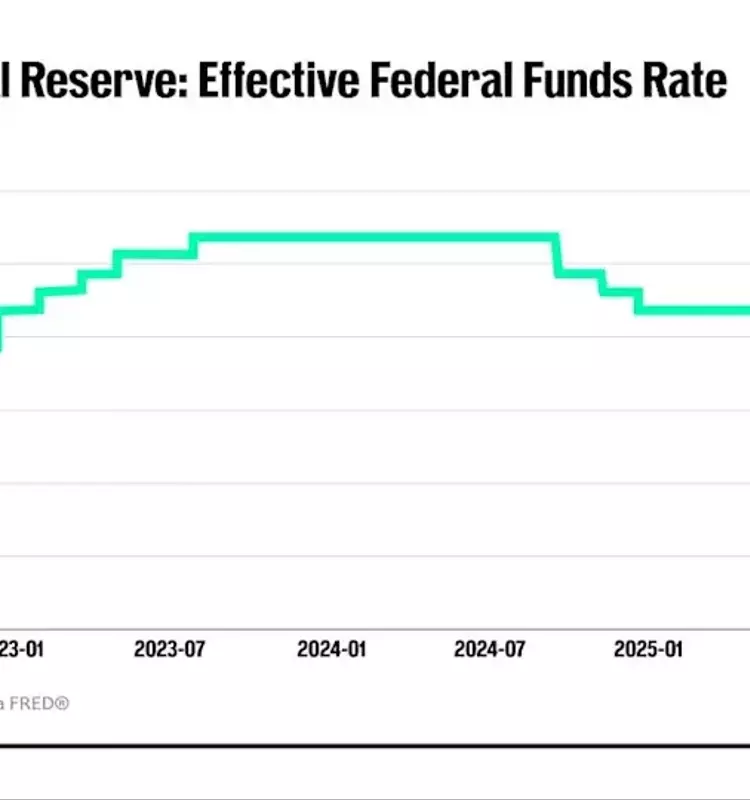
Market sentiment, as reflected by the CME Group FedWatch Tool, points towards the December FOMC meeting as the most probable occasion for the initial rate increase of the year. Futures traders are estimating a significant 60% chance that the FOMC will raise rates by at least 25 basis points before the year concludes. This anticipation aligns with the Federal Reserve's past actions, where rates were maintained at 3.50% to 3.75% after several cuts in 2025 to bolster the job market. These 'insurance' reductions ceased when the prevailing view among policymakers shifted, recognizing that the risks posed by escalating prices had begun to outweigh the signs of labor market stabilization. Adjustments to the federal funds rate ripple through the economy, influencing various short-term and long-term interest rates, foreign exchange rates, the overall money supply, and ultimately, key economic metrics such as employment, output, and consumer prices.
The Federal Reserve operates under a dual mandate from Congress: to achieve maximum employment and maintain stable prices. This often creates a delicate balance, as stimulating employment through lower rates can ignite inflation, while curbing inflation with higher rates can depress the job market. Historically, the U.S. central bank has leaned towards prioritizing job stability over managing higher prices. However, the current leadership, under Fed Chair Kevin Warsh, signals a shift in focus. Warsh, presiding over his inaugural FOMC meeting, emphasized a commitment to price stability, noting that the central bank's inflation target of 2% has been missed for the past five years. He articulated a clear and unified intent from the FOMC to address and reverse this trend, ensuring lower prices for the American public. This commitment to tackling inflation suggests a more assertive stance on potential rate adjustments in the near future, despite the central bank's decision to remove forward guidance from its post-meeting statement, leaving market participants to interpret its next steps.
The intricate dance between fostering job growth and controlling inflation is a continuous challenge for the Federal Reserve. By focusing on price stability, the Fed aims to ensure a robust economic foundation, mitigating the burden of persistently high prices on consumers. This strategic pivot, coupled with careful observation of economic indicators, reflects a proactive approach to maintaining the nation's financial health and fostering sustained prosperity for all.
