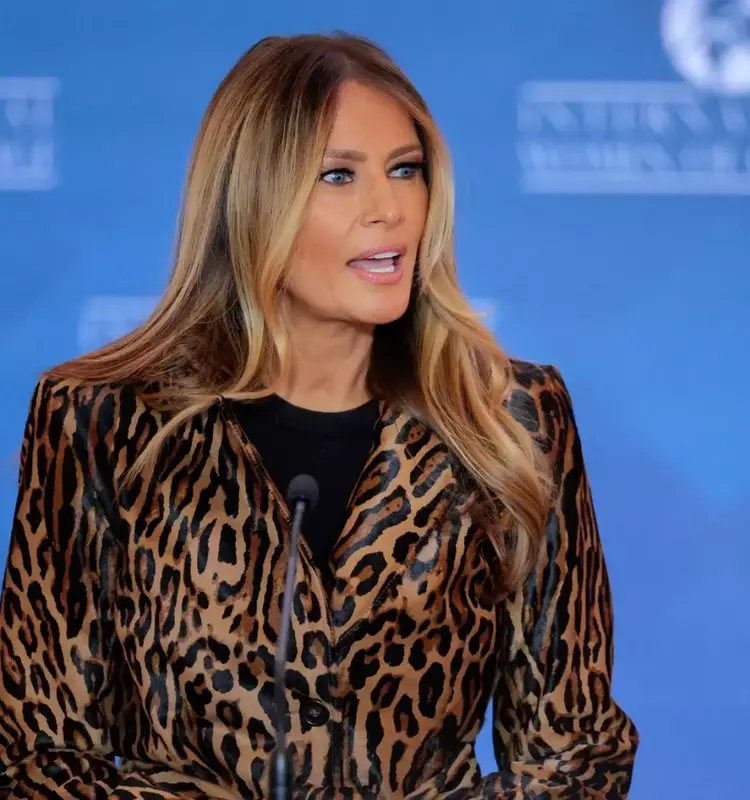
A recent legislative move by House Republicans seeks to bestow a new name upon a prominent cultural venue. On Tuesday, the Appropriations Committee advanced an amendment within the yearly budget legislation to designate the opera house at the John F. Kennedy Center for the Performing Arts as the “First Lady Melania Trump Opera House.” This facility, boasting 2,364 seats, stands as the second-largest theater within the esteemed institution.
This initiative, which gained approval from the Republican-controlled panel with a 33-25 vote, aligns with a pattern of increased influence by the Trump administration over the Kennedy Center in recent months. Earlier in February, President Donald Trump appointed himself as the chairman of the institution's board, a role traditionally held by the First Lady as an honorary chair. Such political maneuvers have stirred considerable reaction within the artistic community, leading to a notable reduction in scheduled performances.
For instance, since President Trump's self-appointment, over two dozen shows have been canceled, with more than half initiated by the performers themselves. Celebrated figures like Issa Rae and the band Low Cut Connie withdrew from their commitments, citing concerns over the institution's core values. The acclaimed musical Hamilton also cancelled its anticipated run at the Kennedy Center, and several events planned for Washington, D.C.'s World Pride Festival, including the Tapestry of Pride, were regrettably called off.
This proposed renaming sparks a broader conversation about the intersection of political influence and cultural institutions. While honoring public figures can be a gesture of respect and recognition, such decisions should ideally reflect broad consensus and uphold the non-partisan spirit of artistic and cultural endeavors. Maintaining the integrity and independence of cultural centers is vital for their continued role in fostering creativity, critical thought, and diverse expression within society.