A groundbreaking endeavor is underway to address the disproportionately high rates of suicide among Indigenous youth, particularly within the Blackfeet Nation. This innovative project, centered around the therapeutic power of heavy metal music, seeks to provide a unique avenue for healing and self-expression. Through the establishment of the Firekeeper Alliance and the implementation of a 'Heavy Music Symposium' at the Buffalo Hide Academy, organizers are cultivating a supportive environment where music serves as a vital coping mechanism, fostering connection and resilience among young people facing profound challenges.
The impetus for this initiative stemmed from the profound concern of Nate Newton, bassist for the band Converge, who was deeply troubled by the statistics on Native American youth suicide. According to the CDC, this demographic faces the highest suicide rates in the U.S., with Indigenous high school students reporting significantly higher instances of suicidal ideation. Charlie Speicher, a dedicated metal music enthusiast and director of the Buffalo Hide Academy in Browning, Montana, a town central to the Blackfeet Nation, recognized an opportunity to leverage his passion for heavy music to make a difference. Montana itself holds the unfortunate distinction of having the nation's highest overall suicide rate, making the need for intervention in the Blackfeet community particularly urgent.
Speicher's vision crystallized after attending the Fire in the Mountains festival in 2022. When the festival lost its original venue, he saw a chance to invite its organizers to the Blackfeet Reservation. This move would not only provide a new home for the event but also allow for a direct partnership between the festival's performing artists and the academy's students, aiming to enrich their lives and, in turn, mitigate the devastating impact of suicide. The tribal council enthusiastically embraced the proposal, particularly after hearing Speicher articulate its focus on youth well-being. Jeremy Walker, the festival's founder, was deeply moved by his visit to the reservation, describing an immediate sense of belonging and inspiration upon seeing the land.
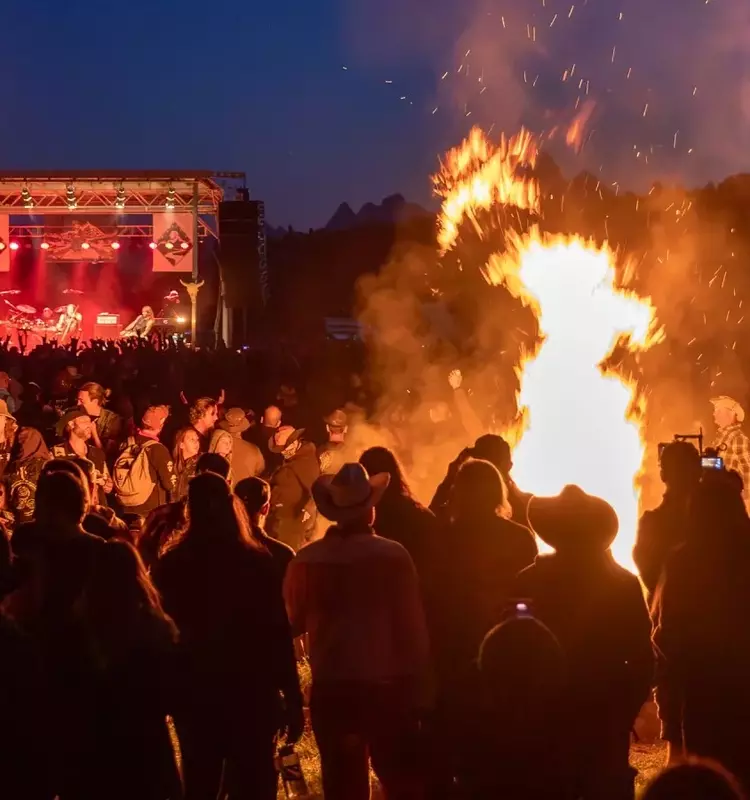
The Fire in the Mountains festival is set to make its debut on the Blackfeet Nation's Red Eagle Campground from July 25 to 27, featuring acclaimed bands like Wardruna, Chelsea Wolfe, Old Man's Child, and Converge. Beyond musical performances, the festival will host workshops, including one titled 'Music as Medicine: The Healing Power of Heavy Music,' a concept deeply resonant with Speicher's philosophy. This aligns with the mission of the Firekeeper Alliance, co-founded by Speicher last fall alongside Robert Hall, a Native American studies director, and Steve Von Till of the band Neurosis. The alliance promotes heavy music as a viable coping mechanism for teens in challenging circumstances, emphasizing its potential for healing and fostering a sense of belonging for those who might feel unrepresented in mainstream society.
A core component of this effort is the Heavy Music Symposium at the Buffalo Hide Academy, a unique class celebrating diverse forms of heavy music. Here, students delve into the creative process and learn how music can serve as a healthy outlet for intense emotions. Renowned artists from the heavy music scene, including Converge's Newton, Von Till, Isis frontman Aaron Turner, and Wayfarer's Shane McCarthy, have engaged with students, sharing their experiences and insights. These interactions have been transformative for both the students, who express newfound inspiration and calmness, and the musicians, who find rejuvenation in connecting with unjaded young minds. Instrument manufacturer Gibson has even contributed guitars to facilitate hands-on learning.
The historical and systemic factors contributing to the elevated suicide rates among Indigenous people are profound. Dr. Victoria O’Keefe, a clinical psychologist specializing in suicidality among Indigenous populations, highlights the devastating impact of colonization, including forced assimilation policies like residential schools. These institutions actively sought to strip Indigenous children of their cultural identities, leading to intergenerational trauma that continues to affect mental health today. Furthermore, severely underfunded healthcare systems, coupled with higher rates of adverse childhood experiences and racial discrimination, exacerbate these challenges. The scarcity of Indigenous mental health professionals further compounds the crisis, as noted by Dr. Jagdish Khubchandani, a public health professor who advocates for increased funding to address this urgent issue.
The innovative approach of the Heavy Music Symposium stands in contrast to traditional, often individually focused, suicide prevention methods. Speicher argues that these conventional strategies have often failed in Indigenous communities, which possess unique cultural perspectives on health and well-being. Dr. O’Keefe supports this view, noting that many Indigenous cultures see physical, mental, emotional, and spiritual health as interconnected. The Firekeeper Alliance's efforts embody a 'strength-based' prevention model, leveraging the inherent resilience and cultural knowledge within the Blackfeet community. Speicher defines success not by statistics, but by the tangible joy and engagement he witnesses in his students, such as their enthusiastic response to heavy metal music videos and their growing confidence in discussing musical styles.
The profound impact of this initiative extends beyond individual students. The festival offers internships, further integrating the Heavy Music Symposium's work into practical experience. Organizers hope the festival can also serve as a space for collective healing and mourning within the community. For Nate Newton, seeing the deep connection people have with heavy music, often telling him it has saved their lives, underscores the profound significance of this work. The shared energy between artists and audience, as Newton describes, creates a powerful, positive force. This ongoing commitment to fostering a supportive community through the cathartic power of music represents a beacon of hope, empowering the next generation to navigate life's challenges with resilience and a sense of belonging.