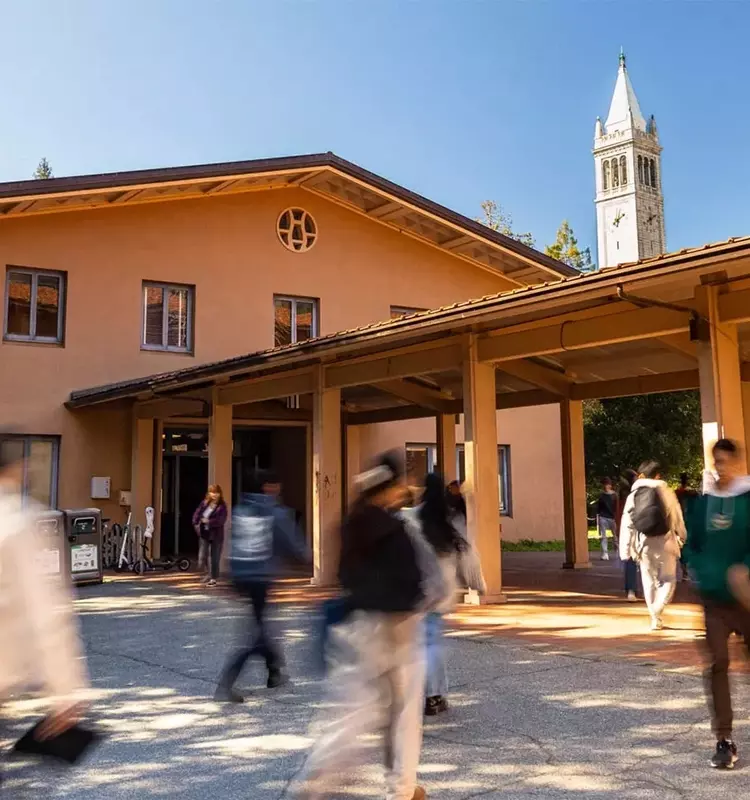
A remarkable transformation is taking place within the music department at UC Berkeley, as more students embrace the art form alongside their academic pursuits. Once considered a niche interest, music has become an integral part of many undergraduates' lives, blending seamlessly with fields like architecture, engineering, and biology. This cultural shift reflects not only a growing appreciation for diverse musical styles but also a reimagined approach to teaching and learning.
Amber Cheng’s journey exemplifies this trend perfectly. Initially planning to focus solely on architecture, Cheng discovered the vibrant musical community at Berkeley through the symphony orchestra. Her experience highlights how the university’s evolving curriculum fosters interdisciplinary exploration, allowing students to pursue passions beyond traditional boundaries. Now double-majoring in music and architecture, Cheng finds herself immersed in both worlds, collaborating with musicians while designing acoustically optimized spaces—a testament to the synergy between creativity and technical skill.
The surge in interest has prompted significant changes across the department. Under the leadership of figures such as Professor Myra Melford and Department Chair David Milnes, outdated pedagogical models have been replaced with inclusive approaches that celebrate global traditions and modern techniques. By incorporating digital audio workstations and expanding course offerings to include Latin American and Caribbean ensembles, the program now resonates with a broader audience. These efforts have paid off handsomely; since 2020, the number of declared music majors has skyrocketed by over 200%, making it one of the fastest-growing programs on campus.
Beyond numbers, there lies a deeper story about connection and purpose. For students like Roberto Ocampo, who balances molecular biology with drumming, music serves as a vital social outlet amidst rigorous academics. It cultivates camaraderie, encouraging collaboration outside classroom walls. Whether performing death metal or exploring Indonesian percussion, these young artists find fulfillment in expressing themselves authentically. As Milnes notes, this enthusiasm stems from recognizing music's intrinsic value—not merely as a career stepping stone, but as something essential to human flourishing.
In today’s fast-paced world, where stress often dominates daily life, the resurgence of music at Berkeley reminds us of its healing power. Through shared performances and creative endeavors, students rediscover joy and meaning, reinforcing bonds within their communities. This phenomenon underscores the importance of nurturing holistic development in education, proving that when given the chance, individuals can thrive academically and artistically alike.
