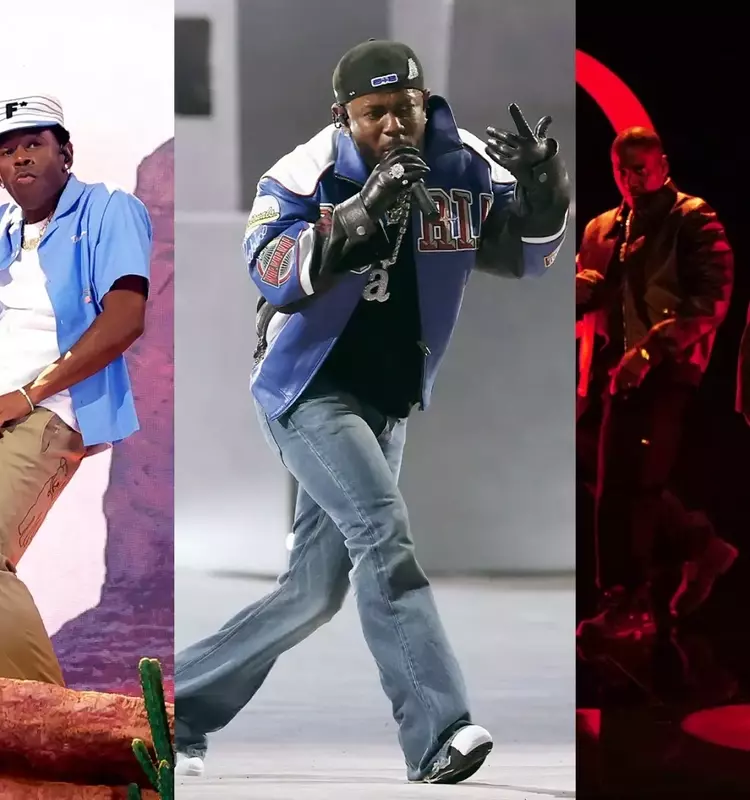
In a landscape where the commercial performance of hip-hop has recently faced scrutiny, the upcoming Grammy Awards are poised to affirm the genre's profound artistic vitality. This year, three pivotal hip-hop albums have secured nominations for the coveted Album of the Year category, signaling a clear recognition of the genre's creative depth and enduring cultural resonance, even as traditional chart metrics present a more complex picture. This strong showing at one of music's most prestigious events underscores that the art of hip-hop is thriving, challenging conventional narratives about its mainstream presence.
Recent discussions surrounding hip-hop's standing in the music industry have often been shaped by its performance on popular charts. For instance, a notable report indicated that, for the first time in over three decades, no hip-hop track appeared in the Top 40 of the Hot 100, prompting some to question the genre's contemporary influence. However, this observation tells only part of the story. The Grammy nominations for Tyler, the Creator's "Chromakopia," Clipse's "Let God Sort Em Out," and Kendrick Lamar's "GNX" collectively demonstrate that critical acclaim and artistic innovation continue to flourish within hip-hop, often manifesting in sophisticated, album-oriented works that may not always prioritize single-driven chart success.
The critical success of these nominated albums suggests a potential connection between a shift in artistic focus and a nuanced re-evaluation of hip-hop's impact. These projects, distinct from the typical chart-chasing singles, emphasize meticulous craftsmanship and cohesive storytelling. Tyler, the Creator's "Chromakopia" delves into the complexities of mature life with a narrative focus, while Clipse's "Let God Sort Em Out" showcases technical precision and a commitment to pure lyrical artistry, eschewing pop-oriented hooks. Kendrick Lamar's "GNX," following his high-profile success against Drake, masterfully balances mainstream appeal with a showcase of his signature strengths, reinforcing his status as a dominant force in the genre.
Kendrick Lamar's recent achievements at the Grammys further highlight this trend. Last year, his groundbreaking diss track "Not Like Us" garnered multiple awards, including Record of the Year and Song of the Year, alongside honors for Best Rap Performance and Best Rap Song. Should "GNX" secure the Album of the Year award, it would cap off an extraordinary run, following his impactful Super Bowl performance and solidifying his position as a generational artist who excels both commercially and critically. For Clipse, this nomination marks a significant return, their first in 22 years, since their collaboration with Justin Timberlake. A victory for Tyler, the Creator would be his third Grammy, building on a history of acclaimed performances and innovative releases.
Ultimately, the Grammy nominations serve as a powerful testament to hip-hop's continued relevance and influence within global culture. They suggest that focusing solely on chart performance or viral hits provides an incomplete picture of the genre's health. In an era often characterized by streaming algorithms and transient one-hit wonders, the recognition of these craft-driven albums reaffirms that substantive artistic projects remain central to hip-hop's evolving narrative and its enduring appeal.