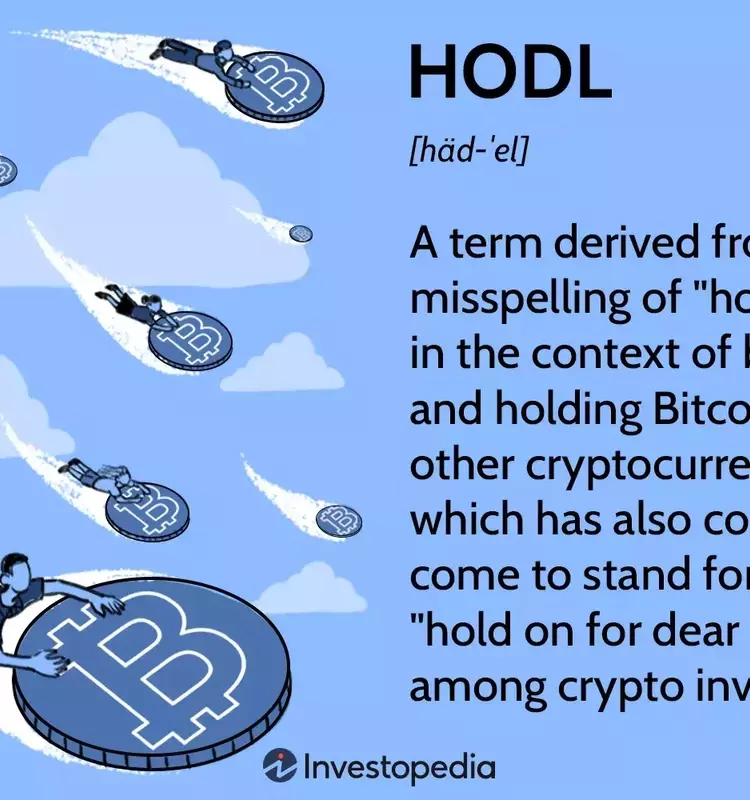
The term "HODL," a deliberate misspelling of "hold," originated in the cryptocurrency community but has evolved into a comprehensive investment philosophy. It advocates for maintaining ownership of assets over extended periods, irrespective of market fluctuations. This approach, which gained prominence through a viral forum post, is rooted in a fundamental belief in the enduring value and potential of the underlying assets. It contrasts sharply with short-term trading strategies that aim to capitalize on rapid price movements. HODLers often view market downturns not as a reason to sell, but as opportunities to reinforce their conviction, echoing sentiments found in traditional long-term investment practices.
Beyond its initial comedic origin, HODL has become synonymous with a steadfast, almost ideological, commitment to an asset class. This is particularly evident in the volatile cryptocurrency markets, where adherents believe in the transformative potential of digital currencies to reshape financial systems. The strategy implies a rejection of market timing, favoring a patient, long-term perspective. This commitment is not only a practical investment choice but also a cultural identifier within the crypto community, embodying a collective trust in future growth and resilience. Its principles are applicable to various investment arenas, emphasizing conviction and patience over reactive trading decisions.
The Origins and Evolution of HODL
The term "HODL" began as a humorous error but quickly became a foundational concept in the world of cryptocurrency. It signifies a long-term investment approach, encouraging asset retention through volatile market conditions. This philosophy was famously born from a 2013 Bitcointalk forum post by GameKyuubi, who, in an intoxicated state, misspelled "holding" while asserting a commitment to keeping Bitcoin amid price swings. This typo resonated deeply with the crypto community, transforming into a widespread meme and a serious investment strategy.
GameKyuubi's initial post, a candid admission of poor trading skills and a decision to simply "hold" rather than attempt to time the market, struck a chord with many investors facing similar dilemmas. His rationale highlighted the difficulty of predicting market movements and the wisdom of a passive, long-term stance, especially in the nascent and highly volatile cryptocurrency market. This accidental coining of "HODL" quickly evolved from a mere typo into a cultural phenomenon, symbolizing resilience and unwavering faith in the long-term prospects of digital assets. The term’s rapid integration into crypto vernacular underscores its relevance and appeal to investors seeking stability in an unpredictable environment.
HODL as a Long-Term Investment Strategy Across Markets
The HODL strategy, often encapsulated by the phrase "hold on for dear life," represents a deep-seated belief among cryptocurrency enthusiasts in the future dominance and value appreciation of digital assets. This goes beyond merely avoiding emotional trading; it embodies a philosophical conviction that cryptocurrencies will fundamentally alter economic structures, potentially rendering traditional fiat currencies obsolete. Adherents believe in a future where their digital holdings will secure significant wealth, diminishing the importance of short-term price fluctuations or exchange rates against conventional money. This perspective emphasizes an unwavering commitment, even in the face of market crashes, viewing such events as temporary setbacks for an ultimately revolutionary technology.
While deeply entrenched in the crypto sphere, the core principle of HODL—a steadfast buy-and-hold approach—is also a well-established and respected strategy in traditional stock investing. Investors in equities often adopt this long-term perspective to capitalize on sustained growth and compound returns, deliberately overlooking short-term market noise. Although stock markets typically exhibit less volatility than cryptocurrency markets, the underlying rationale remains consistent: patience and conviction in an asset's long-term potential are key. This parallels the HODL mindset, where investors choose to weather market storms, trusting in the eventual triumph of their chosen investments, whether they are digital currencies or shares in established companies.
