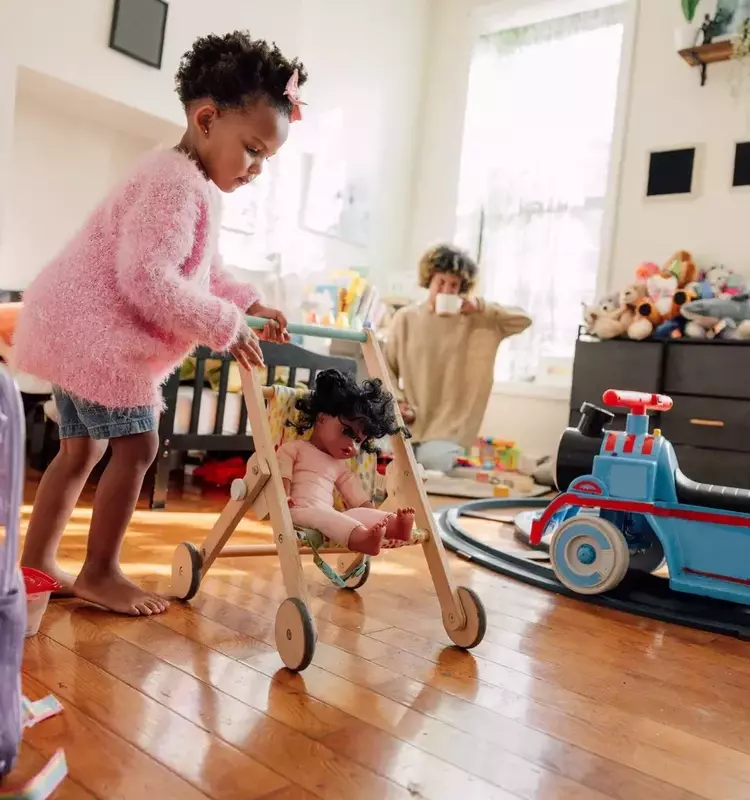
The constant pressure to acquire the latest products, particularly toys, often begins early in a child's life. Many parents and caregivers are led to believe that purchasing every new gadget and essential plaything will ensure their children have the best possible upbringing, offering a semblance of control amidst the unpredictable journey of parenthood. However, many soon discover this is a misconception; an abundance of baby items can be counterproductive. As children mature, the quantity of toys they desire often remains substantial, regardless of age. This accumulation of playthings makes maintaining order incredibly challenging, frequently leading to household disputes. Furthermore, well-meaning relatives and friends, especially during holidays and birthdays, contribute significantly to this ever-growing collection.
So, how can parents effectively manage this influx of toys? The key lies in understanding how many toys a child genuinely needs and implementing strategies to organize existing collections. This article features expert insights on determining the ideal number of toys for children.
The Benefits of a Curated Toy Collection for Children's Development
Parents often grapple with the overwhelming volume of toys children accumulate, leading to cluttered spaces and frustrated attempts at organization. However, a growing body of research and expert opinion suggests that a more minimalist approach to toys can significantly benefit children's development and play habits. When children have fewer toys, they tend to engage in more focused and imaginative play, fostering deeper creativity and longer periods of concentration. This shift from quantity to quality in toy selection not only simplifies household management but also encourages children to maximize the potential of each plaything, transforming simple items into versatile tools for exploration and learning.
A study involving toddlers aged 18 to 30 months revealed that children demonstrated superior play skills when presented with only four toys compared to sixteen. This suggests that an excessive array of options can lead to overstimulation and distraction, preventing children from engaging in sustained, meaningful play. Evan Gold, founder of Simplify Parenthood, emphasizes the developmental advantages of open-ended toys that allow for multiple uses over numerous single-purpose items. His experience shows that reducing toy clutter by half resulted in children playing more creatively and for extended durations. This principle extends to various age groups, with experts recommending a limited number of stimulating toys for infants, a slightly larger collection for toddlers to encourage diverse skills, and a rotating core set of toys for preschoolers and older children, complemented by a few specialty items as interests evolve.
Effective Strategies for Managing Children's Toy Overload
The accumulation of toys can be a significant source of stress for both parents and children, contributing to a sense of overwhelm that can hinder productive play and create household disarray. Children with too many toys often exhibit restless behavior, flitting from one activity to another without deep engagement, or quickly losing interest and becoming bored. This constant influx can make it difficult for them to appreciate what they have, leading to a diminished sense of value for their possessions and a greater challenge in maintaining an organized play environment. The visual clutter itself can be taxing, and the effort required to tidy up can consume valuable family time, prompting many parents to seek more sustainable solutions for managing their children's playthings.
One highly effective strategy for controlling toy clutter and enhancing children's engagement is toy rotation. This method involves making only a portion of the toys available at any given time, cycling them out every few weeks to maintain novelty and interest. As children get older, they can even be involved in the rotation process, fostering a sense of responsibility and ownership over their play environment. Beyond rotation, establishing clear criteria for new toy acquisitions is crucial. Prioritizing open-ended toys—such as magnetic tiles, building blocks, and craft supplies—that encourage imagination and can be used in multiple ways over electronic or single-function toys helps cultivate creative thinking. Additionally, involving children in the decluttering process, rather than simply discarding items behind their backs, helps them understand the value of their belongings and actively participate in creating a more organized space. This collaborative approach, combined with encouraging experiences and valuable contributions instead of material gifts from family and friends, can significantly reduce toy overload and promote a more mindful approach to play.
