Inflation's Impact on Gold and Monetary Policy
Finance

Inflation's Impact on Gold and Monetary Policy

authorBy Nouriel Roubini
DateJul 15, 2026
Read time2 min

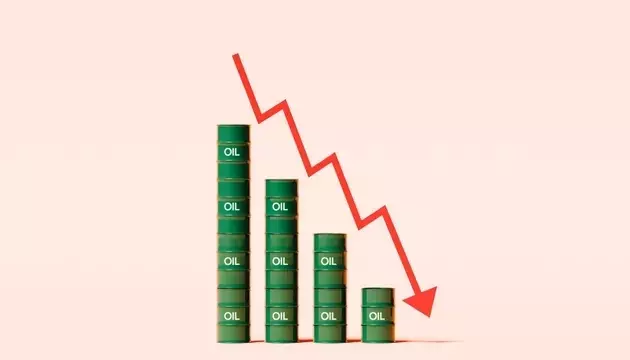
In June, the annual inflation rate, as measured by the Consumer Price Index (CPI), moderated to 3.5%. This reduction was primarily attributed to a decline in crude oil prices, offering a temporary reprieve from persistent inflationary pressures. The Federal Open Market Committee (FOMC) had previously adopted a hawkish stance due to rising inflation, hinting at potential interest rate increases. However, the latest inflation figures suggest that an immediate rate hike may be less likely, impacting market expectations and investment strategies.

The easing of inflationary pressures has significant implications for various asset classes, particularly gold. Gold, often seen as a safe-haven asset, tends to perform well in environments of lower interest rates and reduced inflationary concerns. When the prospect of rate hikes diminishes, the opportunity cost of holding non-yielding assets like gold decreases, making it more appealing to investors. This shift provides an opportunity for gold to recover after experiencing headwinds from previously anticipated rate increases triggered by escalating oil prices.

However, the economic landscape remains dynamic and complex. Despite the recent dip in inflation, crude oil prices are once again showing signs of upward movement. Furthermore, the Federal Reserve's long-term commitment to a tighter monetary policy, including potential rate adjustments later in the year, continues to loom. This delicate balance of softening current inflation, rising energy costs, and the ongoing possibility of future rate hikes necessitates a vigilant approach from investors. Continuous monitoring of these macroeconomic indicators is essential to navigate the evolving market conditions effectively and make informed investment decisions.

The global economy is a complex interplay of various forces, and understanding their dynamics is crucial for prudent decision-making. By staying informed and adaptable, individuals and institutions can better prepare for shifts in market sentiment and economic trends, fostering financial resilience and growth. The pursuit of knowledge and a proactive mindset are indispensable tools for navigating an ever-changing world.

More Articles
Finance
Thornburg Income Builder Fund: Q2 2026 Performance Overview
The Thornburg Investment Income Builder Fund demonstrated strong performance in Q2 2026, with its I shares paying out $0.288 in ordinary dividends, a 5.5% increase year-over-year. The net asset value rose by $1.76 per share in the quarter and $7.69 over the trailing 12 months. The fund's 16.15% return significantly outpaced the blended benchmark's 7.48% for the period ending June 30, 2026, reflecting effective management amidst global economic challenges.
By Fareed ZakariaJul 15, 2026
Finance
Fortinet vs. Palo Alto: Leading the AI Cybersecurity Race
This analysis compares Fortinet and Palo Alto Networks in the AI cybersecurity landscape, highlighting Fortinet's stronger market position due to its justifiable valuation ratios and robust product portfolio. Fortinet boasts significantly lower TTM P/S and P/E ratios compared to Palo Alto, despite similar growth rates in revenue and free cash flow, suggesting a greater upside potential. Furthermore, Fortinet offers broader product capabilities and superior network security features, while Palo Alto excels in AI patents and strategic acquisitions.
By Fareed ZakariaJul 15, 2026
Finance
Ethereum Staking Dominates Bitmine's Quarterly Revenue
Bitmine Immersion Technologies reported that Ethereum staking accounted for 98% of its revenue in the most recent fiscal quarter, generating $45.7 million. This marks a significant shift for the crypto treasury firm, which saw its total revenue rise to $46.5 million from $2.05 million a year prior, despite a net loss of $82.2 million for the quarter. The company anticipates annualized staking revenue to reach $284 million once all its Ethereum holdings are staked.
By Strive MasiyiwaJul 15, 2026
Finance
M&T Bank's Q2 Performance: Solid Credit, Moderate Growth
M&T Bank achieved record second-quarter earnings, driven by strong credit quality and expanded net interest margins due to a high-rate environment. Despite stable but non-growing deposits, loan portfolios saw an increase, particularly in business lending. The bank's net interest margin reached 3.7%, with expectations for further improvement as fixed-income securities are reinvested at better yields. However, the stock's current valuation, trading above its estimated fair value, suggests limited near-term upside, leading to a 'hold' rating.
By Nouriel RoubiniJul 15, 2026
Finance
Midstream MLP Distribution Growth: A Decade of Strength and Future Prospects
The Alerian MLP Index (AMZ) demonstrated robust payout growth in 2025, with normalized distributions increasing by 10.1%. Midstream MLPs have significantly reduced leverage over the past decade, bolstering financial flexibility and unitholder returns. The outlook for MLP investors remains positive, as most companies anticipate continued payout increases in the coming years, driven by strong free cash flow, lower leverage, and investment-grade credit profiles.
By Strive MasiyiwaJul 15, 2026