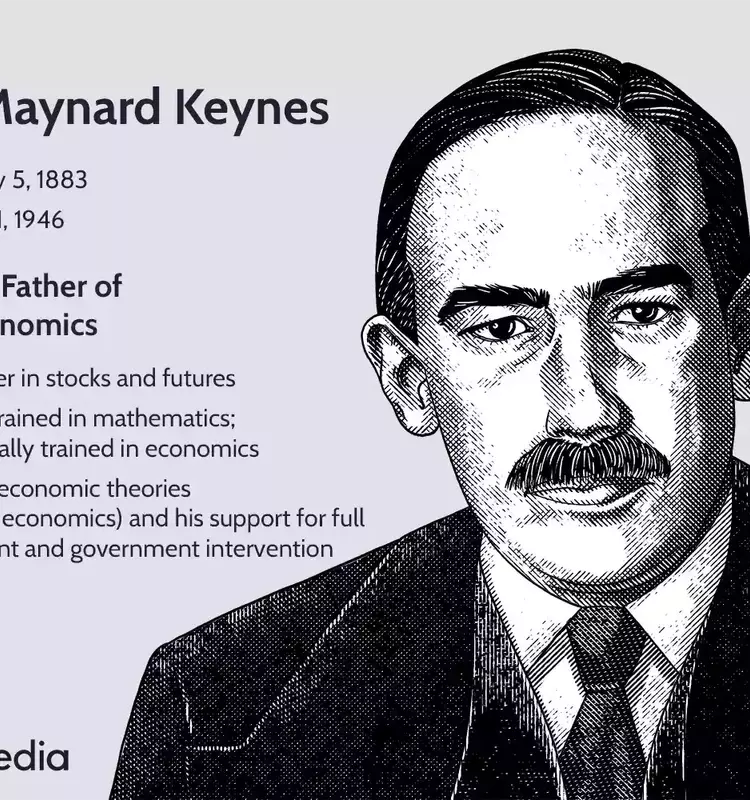
In the realm of economics, the concept of "animal spirits" illuminates how human emotions and psychological factors significantly shape financial choices, especially when uncertainty looms. This idea, originally introduced by John Maynard Keynes, underscores the profound impact of sentiments like consumer confidence and fear on market dynamics and investor conduct, ultimately influencing economic vitality and stability. The phenomenon reveals how these intangible forces can either propel markets to irrational highs or plunge them into deep crises, challenging conventional economic models that often assume rational decision-making. Through exploring its historical context, theoretical foundations, and real-world manifestations, we can gain a deeper understanding of its pervasive role in the economic landscape.
The intricate interplay of emotions in economic activity has led to various market phenomena, from speculative bubbles to widespread panic selling. Prominent economists George A. Akerlof and Robert J. Shiller have further expanded on Keynes's initial insights, advocating for active governmental intervention to mitigate the potentially destabilizing effects of unchecked animal spirits. They contend that without such policy measures, these emotional currents could steer capitalism toward excesses, as evidenced by historical financial crises. Despite criticisms from proponents of efficient market hypotheses who argue that individual irrationalities are ultimately nullified by collective market mechanisms, the enduring relevance of animal spirits in explaining market volatility and the cyclical nature of economic booms and busts remains a compelling subject of debate.
The Emotional Underpinnings of Economic Choices
The concept of "animal spirits" delves into the psychological and emotional factors that drive financial decisions, a notion initially articulated by economist John Maynard Keynes. This framework emphasizes how sentiments like consumer optimism and apprehension exert considerable influence over market activities and investment strategies. It highlights the non-rational elements of human behavior in economic contexts, demonstrating how collective emotional states can foster periods of both rapid growth and significant downturns. Originally rooted in historical ideas from human anatomy and physiology, where "spiritus animalis" referred to vital bodily fluids influencing sensory processes and mass psychological events, the term later evolved to capture the essence of courage, exuberance, or a lack thereof in individuals. This historical progression underscores the long-recognized connection between internal states and external actions, now applied to the complex world of finance.
Building on this foundation, contemporary financial theory utilizes "animal spirits" to explain how emotions such as confidence, hope, fear, and pessimism shape investment decisions. These psychological dynamics can either energize economic expansion or impede it, irrespective of underlying financial indicators. For instance, low spirits equate to diminished confidence, which can cause a seemingly robust market to falter, even if fundamental economic conditions are strong. Conversely, high spirits can foster excessive optimism, propelling market prices to unjustified levels and potentially creating asset bubbles. This emotional oscillation can also trigger panic selling, leading to sharp market corrections. The theory posits that business leaders' decisions are often guided by intuition and competitive reactions rather than purely logical financial assessments, particularly during times of economic instability, revealing that irrational thoughts can profoundly influence individuals as they pursue their financial interests.
The Impact of Human Psychology on Financial Systems
The influence of "animal spirits" is vividly demonstrated in modern financial markets, particularly through phenomena like market psychology and behavioral economics. These emotional states—ranging from confidence and hope to fear and pessimism—profoundly affect financial decision-making, either stimulating or hindering economic growth. When these spirits are low, a lack of confidence can depress even a fundamentally strong market. Conversely, an surge of optimism, or high spirits, can inflate market prices beyond their true value, creating speculative bubbles. Such emotional extremes can also lead to sudden shifts, like panic selling, which can rapidly deflate market values. This dynamic underscores how collective human sentiment, rather than pure rational analysis, can be a dominant force in shaping economic outcomes and market stability.
Historical events provide compelling evidence of animal spirits in action, illustrating their capacity to drive significant market volatility. The Dotcom Bubble of the late 1990s exemplifies how irrational exuberance—a form of heightened animal spirits—led to an unsustainable surge in technology stock valuations. Companies with minimal earnings saw their market capitalizations skyrocket simply by adding ".com" to their names, culminating in a dramatic market crash that wiped out substantial investor wealth. Similarly, the lead-up to the 2008 financial crisis saw markets overwhelmed by a wave of financial innovations, initially perceived positively, but which ultimately proved to be deceptive. The subsequent collapse of investor confidence, triggered by the unraveling of these instruments, plunged markets into a severe downturn. These episodes highlight the critical role of human psychology in generating both boom and bust cycles, challenging traditional economic models that assume fully rational market participants and underscoring the ongoing debate about the extent to which emotions, rather than intrinsic value, drive economic fluctuations.
