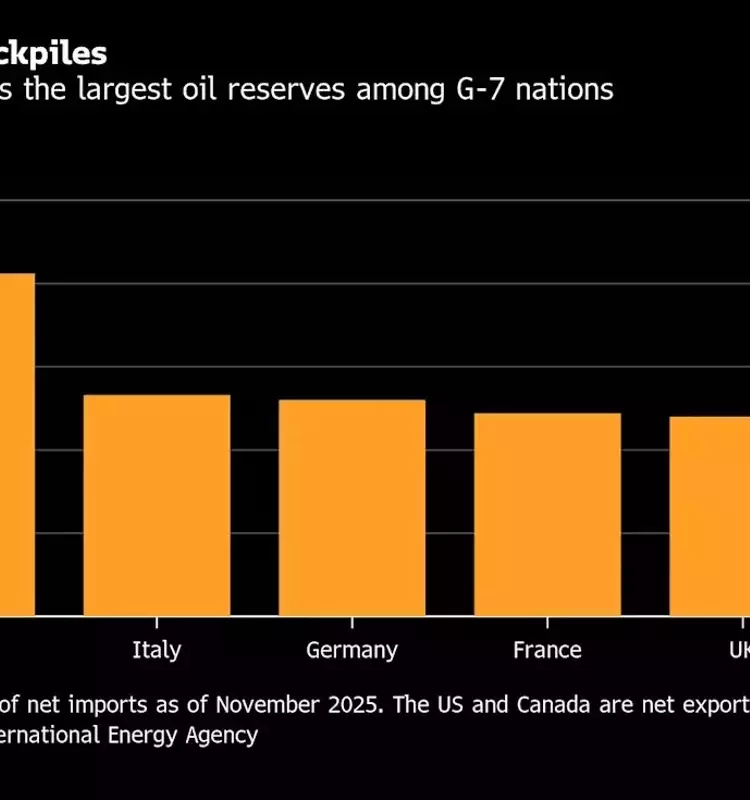
Japan is taking decisive action to address the global energy crisis, announcing a substantial release of 80 million barrels of oil from its strategic reserves. This proactive measure, driven by the economic repercussions of the Middle East conflict, aims to stabilize volatile energy markets and secure domestic supply. The decision highlights Japan's vulnerability as a resource-scarce nation and its commitment to safeguarding its economy against external shocks.
The move by Prime Minister Sanae Takaichi's administration also aligns with a larger, coordinated effort by the International Energy Agency (IEA) to inject a significant volume of oil into the market. This collective response from major energy-importing nations underscores the urgency of the situation and the shared goal of preventing severe economic downturns.
Japan's Strategic Oil Release to Counter Market Volatility
Japan has declared its intention to release 80 million barrels of crude oil from its national and private reserves, a strategic decision in response to the volatility in global energy markets exacerbated by the ongoing conflict in the Middle East. This significant release, equivalent to approximately 15 days of Japan's oil consumption from private stocks and a month's worth from national reserves, is a proactive step to ensure a stable supply of energy for the nation. Prime Minister Sanae Takaichi emphasized the necessity of this action to mitigate the economic pressures stemming from surging oil prices and potential supply disruptions, particularly affecting the vital Strait of Hormuz, a crucial transit point for a fifth of the world's oil.
The announcement by Japan precedes a broader, coordinated effort by the International Energy Agency (IEA), which agreed to release a record 400 million barrels from its emergency oil reserves. While Japan's unilateral action aims to address its immediate domestic concerns, the subsequent IEA agreement signals a collective resolve among member countries to stabilize the global energy market. The coordination of Japan's independent release with the IEA's collective initiative is expected to enhance the overall impact, demonstrating a united front against energy market instability. This measure is critical for Japan, a nation heavily reliant on energy imports, to protect its economy from inflationary pressures and potential supply shortages that could otherwise lead to stagflation.
Global Coordination and Domestic Economic Safeguards
The International Energy Agency (IEA) has reached a consensus among its member nations for a substantial collective release of 400 million barrels from emergency oil reserves. This decision comes as a direct response to the mounting global energy crisis, primarily triggered by the escalating conflict in the Middle East and its profound impact on oil supplies and prices. The IEA's coordinated action is designed to stabilize the international market, alleviate price pressures, and ensure that member countries, particularly those heavily dependent on oil imports, have access to a reliable energy supply during these turbulent times.
Domestically, Japan is implementing comprehensive measures to shield its economy from the adverse effects of rising energy costs. Beyond the oil release, the government, under Prime Minister Takaichi, plans to initiate subsidies for petroleum products starting in March, with the goal of maintaining gasoline prices at approximately ¥170 per liter. These subsidies leverage existing funds established for fuel price stabilization, reflecting a commitment to mitigate the financial burden on consumers and businesses. Such interventions are crucial to prevent widespread economic distress, combat inflation, and avoid a scenario of stagflation, which could severely undermine the Bank of Japan's efforts to normalize its monetary policy. The ongoing flexibility in support mechanisms underscores the government's readiness to adapt to the evolving geopolitical and economic landscape.
