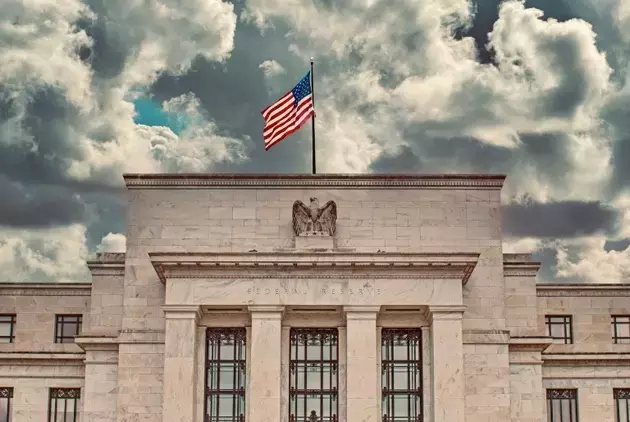
The latest Consumer Price Index report indicates a significant shift in inflation trends, with core inflation receding to pre-geopolitical conflict levels. This development offers the Federal Reserve some maneuverability regarding its interest rate policy. However, the persistent global political instability continues to cast a shadow of uncertainty over future economic decisions.
July Inflation Data Offers Federal Reserve a Breather Amidst Geopolitical Tensions
In July, the Bureau of Labor Statistics unveiled a Consumer Price Index (CPI) report showing a notable moderation in inflation, particularly with a core inflation rate registering at 2.5%. This figure marks a return to levels observed prior to the recent conflict involving Iran, signaling a potential easing of price pressures in the U.S. economy. For July specifically, both overall and core inflation rates were reported at 0.1% and 0.2%, respectively, underscoring this cooling trend.
Key components of the CPI demonstrated significant changes. Energy price inflation has shown a downward trajectory for two consecutive months, alleviating concerns about soaring fuel costs. Concurrently, prices for durable goods have remained stable, even in the face of ongoing Middle Eastern geopolitical tensions. Perhaps most critically, housing inflation, a major contributor to overall inflation, dipped below 0.2% for the second consecutive month. Year-over-year data indicates that both housing and rental inflation are now approaching or have fallen below their pre-pandemic averages.
This broad-based deceleration in core inflation provides the Federal Reserve with valuable leeway. The central bank, tasked with maintaining price stability and maximum employment, may now find itself in a position to re-evaluate its aggressive stance on interest rate hikes. The data suggests that previous tightening measures are taking effect, potentially allowing the Fed to adopt a more cautious approach, or even consider a pause in further rate increases.
However, the economic landscape remains complex. While domestic inflationary pressures appear to be subsiding, the persistent geopolitical uncertainty, particularly in the Middle East, continues to pose risks to global supply chains and energy markets. This external volatility means that despite the encouraging inflation numbers, the Federal Open Market Committee (FOMC) is likely to remain cautious. The committee may adopt a neutral stance, indicating no immediate plans for further hikes or cuts, but internal divisions regarding the timing and necessity of future actions could persist, reflecting the delicate balance between domestic economic indicators and international instability.
The latest CPI figures underscore the dynamic nature of economic forces at play. While the immediate outlook offers a sigh of relief regarding inflation, the broader picture remains intertwined with global events. The Federal Reserve's upcoming decisions will be closely watched, as they navigate these intricate economic and geopolitical currents.
The recent inflation report offers a nuanced perspective on the current economic climate. While the moderation in core inflation is undoubtedly positive, especially for consumers and businesses grappling with rising costs, it also highlights the interconnectedness of global events and domestic economic stability. The Federal Reserve's cautious approach, even in the face of improving data, is a reminder that economic policy must always consider both internal and external factors. This situation encourages a deeper understanding of macroeconomics, demonstrating how seemingly distant international conflicts can influence everyday prices and central bank decisions. It reinforces the idea that true economic resilience requires not only sound domestic policy but also an awareness of the broader global context.
