This analysis by GlobalData illuminates the twenty primary factors projected to shape the oil and gas industry by 2026. It offers foresight into potential outcomes, identifies key beneficiaries, and directs readers to additional resources. The research underscores that businesses embracing significant trends are more likely to thrive, while those overlooking them risk obsolescence. The prevalence of disruptive forces means that external entrants can easily destabilize established sectors.
To provide clients with a strategic edge, GlobalData has developed its Strategic Intelligence Solution. This integrated platform offers a structured approach to monitoring critical issues and overarching themes affecting companies across all industries.
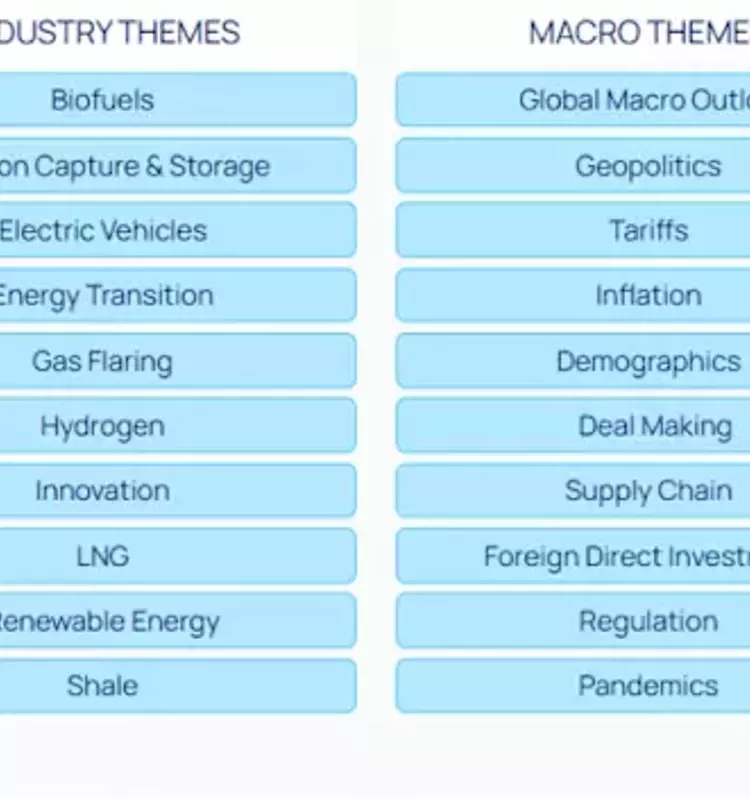
A major focus of this report is the conflict in Iran and the ensuing disruptions to supply chains, particularly the blockade of the Strait of Hormuz, which are anticipated to be dominant themes in the oil and gas sector in 2026. The resurgence of hostilities in the Middle East has already led to a significant increase in oil and gas prices and has severely hampered maritime traffic through this vital waterway. This situation has substantially disrupted energy shipments through the Persian Gulf, with oil prices surging by approximately 44% above pre-conflict levels by March 2026. Nations worldwide have responded with a combination of urgent financial measures, energy rationing, and a shift towards alternative energy sources. However, it remains uncertain whether these efforts will be sufficient to meet global energy demands, as it could take several months to restore consistent export volumes through this critical chokepoint.
Despite a recent ceasefire agreement between the US and Iran, the ongoing instability in the region means that a lasting peace is not guaranteed, keeping the area volatile. The full impact will depend on the extent of damage to oil and gas infrastructure in the Middle East. This situation is likely to mark a turning point for key nations, especially those in the Middle East, which have experienced declines in energy exports and an exodus of expatriate workers. Although the global economy is now less reliant on Middle Eastern energy than in previous periods, the region still supplies substantial quantities of crude oil, natural gas, and refined petroleum products to international markets. Furthermore, US tariffs, despite some recent alleviation, are expected to continue influencing the global economy. Therefore, the industry must carefully consider the ramifications of these macroeconomic factors—geopolitics, supply chain dynamics, and trade tariffs—when formulating their future growth strategies.
The report also highlights emerging industry trends that support the transition to zero-emission technologies. These include renewable energy sources, hydrogen production, carbon capture and storage (CCS), and electric vehicles (EVs). Each of these is evaluated for its potential impact on oil and gas operations in 2026 and beyond. Additionally, the report assesses core oil and gas themes such as liquefied natural gas (LNG) and shale, which remain prominent in the investment plans of leading energy companies. The report also covers revolutionary technological advancements, including artificial intelligence (AI), blockchain, cybersecurity, the Internet of Things (IoT), and robotics. This comprehensive analysis provides a holistic view of the forces shaping the future of the oil and gas industry.
