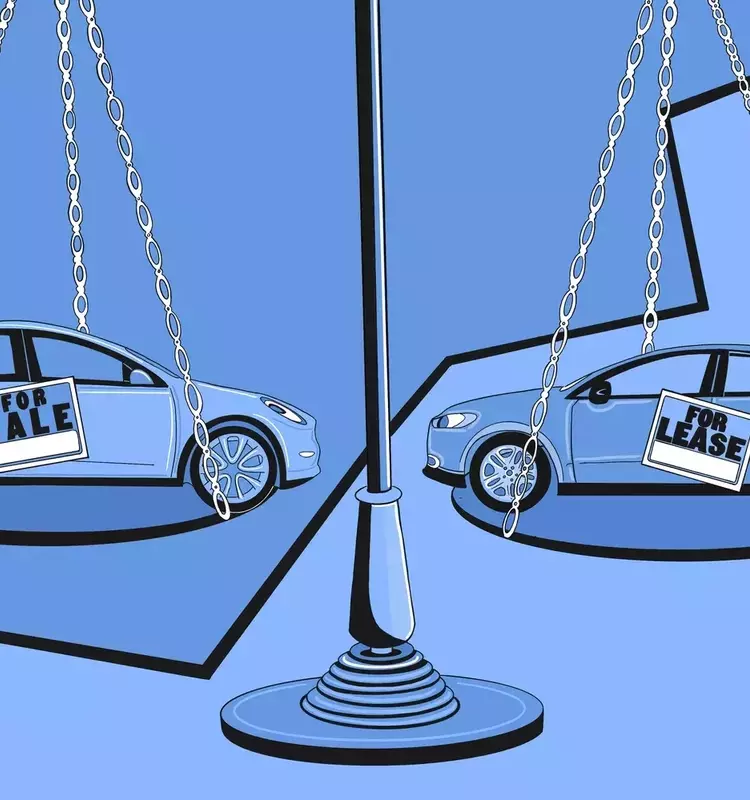
When considering a new vehicle, the choice between leasing and buying depends largely on your driving habits, financial goals, and long-term preferences. Leasing typically offers reduced monthly expenses and the chance to drive a new model every few years, while purchasing a car builds equity and provides greater freedom. Understanding the nuances of each option is crucial before making your decision.
Detailed Analysis of Vehicle Acquisition Choices
Leasing a vehicle is akin to a long-term rental agreement. You pay a periodic fee for the right to use the car for a set duration, often around three years. During this time, the lease contract outlines specific usage terms, including mileage limits and modification restrictions. Upon the lease's conclusion, you return the vehicle, and your payments cease. Some agreements may also present an option to buy the car at the lease end.
Conversely, buying a car means acquiring full ownership. If you pay cash, the vehicle is yours immediately. When financing through an auto loan, you gradually build equity with each payment. Once the loan is fully repaid, you own the car outright and have the liberty to sell it, keep it, or use it as a trade-in for a future purchase. With ownership, there are no mileage caps, and you can customize the vehicle as you wish, from performance upgrades to aesthetic changes.
Key distinctions include:
- Leasing: You pay to use a car for a defined period; payments do not contribute to ownership; lower monthly payments and minimal or no down payment; access to new vehicles every few years; repairs often covered by warranty; no hassle of reselling; subject to mileage restrictions and fees for excessive wear or early termination.
- Buying: You own the car for an indefinite period; loan payments build equity; typically higher monthly payments and a larger down payment; flexibility to sell, trade, or keep the car at any time; responsibility for maintenance and repair costs; full control over mileage and modifications; depreciation affects the car's value over time.
Advantages of Leasing
Leasing can appear highly appealing due to several financial and practical benefits. Monthly lease payments are generally lower than loan payments for an equivalent vehicle, as you're only covering the vehicle's depreciation during the lease term, not its full purchase price. Often, a down payment isn't required, although one can be made to lower monthly costs (without interest savings). For those who enjoy the latest automotive technology and features, leasing provides the convenience of driving a new car every two to four years. Many new leased vehicles are covered by factory warranties, and sometimes dealer warranties, minimizing out-of-pocket repair expenses. When the lease concludes, simply returning the vehicle eliminates the need for selling or negotiating a trade-in. Additionally, if the vehicle is used for business, leasing costs can offer tax deductions.
Disadvantages of Leasing
Despite its perks, leasing has drawbacks. Lease payments, much like rent, do not contribute to equity or ownership; you never truly own the car unless you exercise a purchase option at the end of the term. Leases typically enforce strict mileage limits (e.g., 10,000 to 15,000 miles annually), and exceeding these limits incurs additional charges. Modifications to the vehicle are usually prohibited, and charges apply for damage beyond normal wear and tear. Furthermore, early termination of a lease can result in substantial penalties.
Advantages of Buying
Purchasing a car offers significant benefits, primarily ownership and control. Each loan payment builds equity, leading to full ownership upon loan completion. Owners can drive unlimited miles and make any desired modifications. The flexibility to sell, trade, or keep the car for as long as it runs is a major advantage. It's also generally easier to exit a car loan than a lease, often without prepayment penalties, allowing for greater adaptability to changing needs.
Disadvantages of Buying
Buying a car usually entails higher initial and ongoing costs compared to leasing. A down payment, potentially 20% of the purchase price, is common, and monthly loan payments are typically higher. A significant consideration is depreciation; a new car can lose a substantial portion of its value within the first few years. Unless it's a new vehicle under warranty, owners are responsible for all maintenance and repair costs.
Ultimately, the best choice hinges on individual circumstances. If a new car, lower monthly payments, and limited mileage suit your lifestyle, leasing might be ideal. If you value ownership, flexibility, and the ability to drive extensively and customize your vehicle, purchasing is likely the better path. It's important to weigh these factors against your financial situation and lifestyle requirements.
", "date": "2024-05-24", "author": "Investopedia Sta