Leveraged ETF for Energy Downturn: A Tactical Approach
Finance

Leveraged ETF for Energy Downturn: A Tactical Approach

authorBy Michele Ferrero
DateJul 02, 2026
Read time2 min

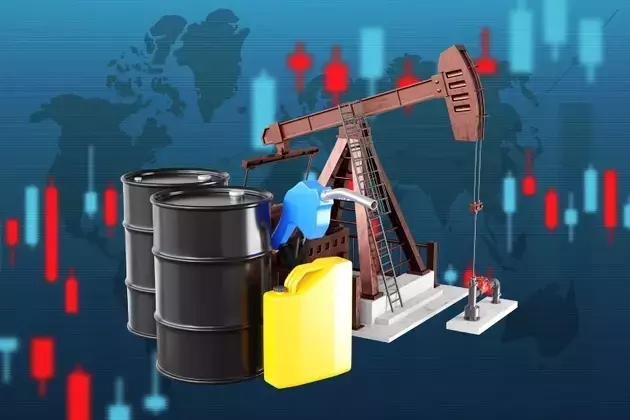
This article delves into the utility of a particular leveraged exchange-traded fund, the Direxion Daily S&P Oil & Gas Exploration & Production Bearish 2X ETF, for investors seeking to capitalize on short-term declines in energy stocks. It posits that a confluence of geopolitical developments, a diminished OPEC influence, and a pro-production stance in the United States could lead to lower oil and natural gas prices, thereby creating a favorable environment for bearish plays. However, it strongly cautions against the long-term holding of such leveraged instruments, highlighting the inherent risks associated with time decay and market gaps.

The current market landscape for crude oil has been significantly impacted by recent diplomatic agreements, particularly between the U.S. and Iran. This accord, aimed at de-escalating tensions and reopening vital shipping routes like the Strait of Hormuz, has contributed to a notable decrease in crude oil prices. This price drop follows an earlier rally in early March, which saw prices exceeding $100 per barrel. The shift in geopolitical dynamics, coupled with a perceived weakening of the Organization of the Petroleum Exporting Countries' (OPEC) control over supply, suggests a potential for continued downward pressure on energy commodity values.

Furthermore, domestic policy within the United States appears to favor increased energy production. This stance could contribute to an oversupply in the market, further exacerbating price declines. Such conditions would theoretically benefit instruments like the Direxion Daily S&P Oil & Gas Exploration & Production Bearish 2X ETF, which is designed to amplify returns when energy sector stocks fall.

Despite the potential for gains, the analysis rigorously points out the dangers of leveraged ETFs. These financial products, while offering amplified exposure, are highly sensitive to market fluctuations and time-related value erosion. Their structure means that even sideways movements in the underlying assets can lead to losses over time. Therefore, the strategy emphasizes precision and discipline, including the use of stop-loss orders and timely profit-taking, to mitigate the substantial risks involved.

In essence, this exploration underscores that while certain market conditions might present opportunities for bearish strategies in the energy sector, the use of leveraged ETFs demands a sophisticated understanding of their mechanics and a commitment to strict risk management protocols. These tools are best suited for experienced traders employing tactical, short-term approaches rather than for long-term investment horizons.

More Articles
Finance
Infuse Asset Management Navigates Challenging Q2 2026 with Strategic Revisions
Infuse Asset Management faced its second most challenging quarter in Q2 2026, underperforming the index significantly. This prompted a strategic shift to prioritize higher growth and quality standards, redefining the fund's core value. The firm will now focus on identifying top-tier companies through its proprietary system, aiming for long-term outperformance by adapting to evolving market realities rather than relying on past metrics.
By Suze OrmanJul 02, 2026
Finance
Quantum Computing Inc.: High Valuation, Low Revenue, and a 'Sell' Rating
Quantum Computing Inc. (QUBT) faces scrutiny due to its high valuation despite minimal operational revenue and ongoing losses. A significant portion of its market cap is tied to cash and investments, while core quantum computing activities contribute little to its income, primarily relying on interest from its cash holdings. This analysis suggests a 'Sell' rating for QUBT, proposing a target price of $7.50, due to an overestimation of its future potential and unproven commercialization in the quantum sector.
By Robert KiyosakiJul 02, 2026
Finance
Market Trends: Holiday Trading, Oil Volatility, and Employment Data
Markets are showing modest gains as investors prepare for the holiday weekend. Crude oil prices are falling, while June's nonfarm payroll report fell short of expectations, influencing Federal Reserve interest rate predictions. Key stocks like Caterpillar and Nvidia are experiencing declines following notable short positions.
By Morgan HouselJul 02, 2026
Finance
Netflix Faces Market Headwinds and Overvalued Expectations
This analysis, building on previous bearish forecasts, suggests that Netflix's reliance on average revenue per user (ARPU) growth amid slowing subscriber additions makes current market expectations overly optimistic. The integration of advertising is seen as a supportive measure rather than a primary growth driver. Elevated market leverage and a challenging economic climate further expose Netflix to risks, leading to a 'Strong Sell' recommendation based on fundamental analysis, reverse valuation, and technical indicators.
By Suze OrmanJul 02, 2026
Finance
Meta Platforms Enters Cloud Computing Market, Redefining AI Infrastructure
Meta Platforms is venturing into the cloud computing sector, leveraging its advanced AI infrastructure to create new revenue streams and reduce its reliance on digital advertising. This strategic move is expected to alleviate concerns about over-investment in computing capacity within the semiconductor industry, indicating a strong and sustained demand for AI-driven solutions. The market has already factored in some skepticism, with semiconductor valuations stabilizing, suggesting that fears of an AI bubble burst are overblown. This diversification by Meta is unlikely to destabilize the existing cloud market giants and points to a healthy broader market trend.
By Lisa JingJul 02, 2026