LifeZone Metals is engaged in a complex and continuous process of securing capital, characterized by a series of fundraising efforts from various sources. Despite possessing promising assets, the company's financial stability remains tenuous, with critical dependencies on external investments and governmental agreements.
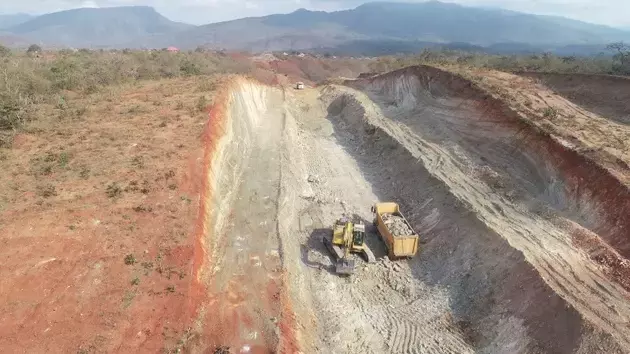
The core of LifeZone Metals' potential lies in the Kabanga project, which exhibits robust feasibility metrics. A detailed study reveals a net present value of $1.58 billion, calculated with an 8% discount rate, and an internal rate of return of 23%. Furthermore, the project's nickel production costs rank in the bottom quartile globally, indicating a highly competitive operational structure. However, the realization of this potential is contingent upon securing binding strategic investments and successfully executing definitive agreements with the Tanzanian government. These elements are crucial for finalizing the project's financing and advancing its development.
The company's current financial situation is marked by liquidity constraints and a persistent risk of equity dilution. The necessity for waivers on a Taurus bridge loan signals limited financial maneuverability and underscores the urgency of securing long-term funding. While a significant strategic investor and finalized agreements with Tanzania could propel LifeZone Metals shares towards an optimistic valuation of $8–$10, the absence of these definitive commitments continues to cast a shadow of uncertainty, raising concerns about the company's ability to operate as a going concern.
In the complex landscape of mineral resource development, a company's ability to translate promising assets into sustained operational success hinges on robust financial planning and strategic partnerships. LifeZone Metals embodies the challenges and opportunities inherent in this sector, where the intrinsic value of natural resources must be meticulously balanced with the practicalities of capital acquisition and regulatory compliance. The journey from discovery to production is a testament to perseverance, demanding not only geological expertise but also astute financial stewardship and diplomatic engagement. The ultimate triumph lies in fostering growth that benefits all stakeholders, contributing to economic development and responsible resource utilization.
