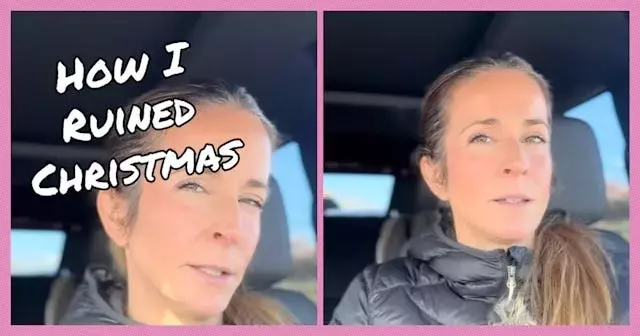
In a compelling narrative that has resonated with parents globally, a mother's candid reflection on her premature disclosure of the Santa Claus secret to her child has ignited a widespread discussion. Her personal regret underscores a powerful message: extending the enchanting illusion of Santa for children, particularly those at a questioning age, is paramount. This mother's experience, shared on a popular social media platform, serves as a poignant reminder of the fleeting nature of childhood innocence and the profound impact parents have on preserving its magic. The debate it has sparked highlights the diverse approaches parents take to this cherished tradition, ranging from full embrace to complete avoidance, each with its own set of considerations for fostering imagination and wonder.
The mother, known on TikTok as @read_between_the_whines, openly admitted that her previous stance was to always be truthful with her children. However, her encounter with her eldest daughter's dawning skepticism about Santa led her to a different conclusion. Last Christmas, subtle hints from her daughter suggested she was beginning to doubt, prompting the mother to navigate these conversations delicately. Initially, when directly asked if Santa was real, she would offer a nuanced response, stating, "Many people believe he is." This approach aimed to prolong the belief without outright lying, yet the magic eventually began to unravel.
The pivotal moment arrived on Christmas morning, after her younger son received more substantial gifts. Her daughter, feeling overlooked, expressed, "I don't think Santa came for me." Seizing what she perceived as an opportunity for an honest conversation, the mother drew a parallel between Santa and beloved fictional characters like Anna and Elsa, explaining Santa as a "fun, magical idea." She then revealed, "Daddy and I are Santa." This revelation, however, did not unfold as she had anticipated. Instead, her daughter's world of enchantment crumbled, leading to tears and a heartbreaking realization as she pieced together the entire elaborate deception, from elves to cookies.
Witnessing the rapid departure of her child's innocent belief was, for the mother, "one of the most devastating things I've ever experienced." Her cautionary tale is a heartfelt plea to fellow parents: "If you can take anything from my cautionary tale, it would be to lie on this one." She argues that if this "lie" can infuse a bit more magic into their children's lives, allowing them to naturally reach their own conclusions about Santa's existence when they are ready, then it is a worthwhile endeavor. The emotional toll of shattering this illusion prematurely, she suggests, far outweighs any perceived benefit of early honesty.
The video garnered a significant response, with comments reflecting a wide spectrum of parental opinions regarding the Santa tradition. Some parents echoed the TikTok mom's sentiment, sharing similar regrets or their own strategies for maintaining the Santa illusion. One user humorously noted, "I'm 34 and my mom has still never said Santa isn't real." Others, however, expressed reservations about the practice of fabricating the story, with one parent stating, "This is why we never did Santa. I don't ever want my kid to look at me and say, 'you lied to me? My whole life?'" Another recounted the painful experience of a child discovering the truth from an aunt, highlighting the deep emotional impact on both child and parent. These diverse viewpoints underscore the complexity and personal nature of navigating the Santa Claus myth within families, each decision shaped by unique values and experiences.
