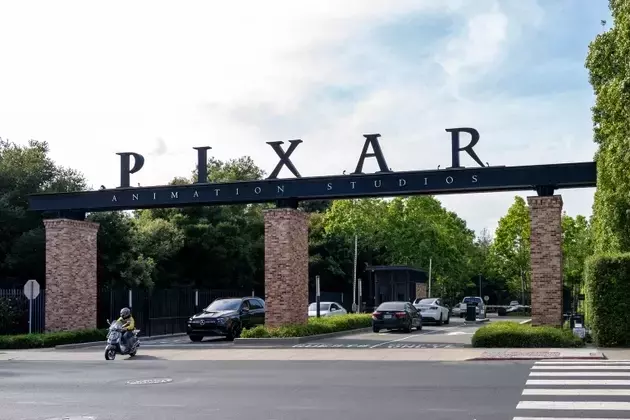
This analysis summarizes the recent financial performance of major corporations, highlighting Disney's impressive third-quarter results and strategic partnership with TikTok, contrasting with Uber's disappointing revenue outlook. It also delves into the uncertainty surrounding a potential pharmaceutical merger between AstraZeneca and Bristol-Myers Squibb, alongside an examination of Chipotle's recovery from a food safety issue and broader economic indicators like U.S. private sector job growth.
Disney has surpassed expectations with its robust third-quarter earnings, primarily propelled by the stellar performance of its U.S. theme parks and the blockbuster success of Toy Story 5 at the global box office. This strong showing led to a significant increase in its share value. The company's Experiences segment was a key contributor, demonstrating substantial growth in operating income, which helped mitigate some of the challenges faced by its international parks. Furthermore, Disney's new global alliance with TikTok is set to broaden its reach, offering unique content opportunities that will likely boost visibility and foster greater fan engagement by leveraging its extensive film and series catalog.
Conversely, Uber Technologies experienced a setback as its quarterly revenue did not meet analysts' predictions, causing a dip in its stock. Despite reporting double-digit growth across gross bookings, trips, and overall revenue, the company's third-quarter profit guidance fell short of investor expectations. In the pharmaceutical sector, the anticipated merger between AstraZeneca and Bristol-Myers Squibb has been met with conflicting reports, leading to market uncertainty. While earlier discussions hinted at a potential combination, recent statements from sources close to the matter suggest that no active negotiations are underway, prompting a reevaluation of the deal's likelihood. Meanwhile, Chipotle Mexican Grill has demonstrated resilience, with its shares rebounding after an initial decline triggered by a salmonella outbreak. The company promptly addressed the issue by removing potentially contaminated products and sourcing from alternative suppliers, underscoring its commitment to food safety. The broader economic landscape indicates a slowdown in U.S. private sector job growth, according to recent ADP data, suggesting a cooling trend in the labor market.
Disney's Strategic Growth and Market Performance
Disney recently announced strong financial results for its third quarter, outperforming analyst predictions. The company's impressive performance was largely fueled by its thriving U.S. theme parks and the significant box office triumph of Toy Story 5, which garnered over $1 billion globally. This success has notably boosted Disney's stock, with shares rising by 3% following the announcement. The Experiences segment played a crucial role, seeing a 20% increase in operating income to $3.02 billion on revenues of $9.97 billion. This growth helped to offset ongoing pressures in its international parks, where attendance had been weaker, although these headwinds are now moderating. Additionally, the strong merchandise sales and increased engagement on Disney+ stemming from Toy Story 5 contributed positively to these results.
A major development for Disney is its new global partnership with TikTok. This collaboration aims to provide fans and creators with innovative ways to discover and create content, leveraging Disney's vast library of films and series. For Disney, this deal is strategically important as it is expected to significantly enhance its content visibility and engagement across a wider audience. By granting TikTok creators access to its extensive assets, Disney is positioned to reach new demographics and strengthen its brand presence in the digital space, further solidifying its market position and potential for future growth in content consumption and brand loyalty.
Market Challenges and Corporate Developments
While Disney celebrates its successes, other major companies are navigating market challenges. Uber Technologies experienced a notable downturn, with its stock declining by 5% after reporting quarterly revenue that failed to meet Wall Street's projections. Despite achieving double-digit growth in gross bookings, total trips, and overall revenue, and a 30% increase in operating income, the ride-hailing giant's third-quarter profit guidance fell short of investors' high expectations. This has led to concerns about its near-term financial outlook and its ability to consistently translate growth into anticipated profitability, causing a cautious response from the market and prompting a reassessment of its future trajectory.
In the pharmaceutical industry, a potential acquisition between AstraZeneca and Bristol-Myers Squibb has been shrouded in uncertainty, marked by conflicting reports. Initial rumors, fueled by a Financial Times report, suggested preliminary merger discussions had taken place. However, recent statements from a senior source cited by Reuters unequivocally declared that "There is no deal between AstraZeneca and BMS. There never was a deal to be done, and there are no discussions between the companies." This contradictory information has left the market in flux, impacting the stock performance of both companies and highlighting the speculative nature of such high-stakes corporate maneuvers. Additionally, Chipotle Mexican Grill showed a strong recovery, with its shares rebounding by 3% after a previous 9.7% drop due to a salmonella outbreak linked to jalapeños. The company's swift action in removing the affected produce and switching suppliers demonstrated effective crisis management, reassuring consumers and investors. Amidst these corporate-specific dynamics, the broader economic landscape indicates a slowdown in U.S. private sector job growth, with July figures from ADP showing a modest increase of 44K jobs, missing the consensus estimate of 75K and cooling from the previous month's 98K. This broader economic indicator suggests a more restrained labor market environment.
