This analysis delves into several critical financial narratives that shaped recent market activity, including major bank earnings, an unexpected revenue warning from IBM, the fluctuating landscape of inflation, the ambitious initial public offering plans of the food delivery service Wonder, and the evolving behavior of retail investors. The report details the market’s immediate reactions to these developments, ranging from the 'sell-the-news' phenomenon observed in the banking sector to a significant selloff in software stocks, alongside a cautious yet optimistic outlook on inflationary pressures.
Banking Sector Performance and Investor Reaction
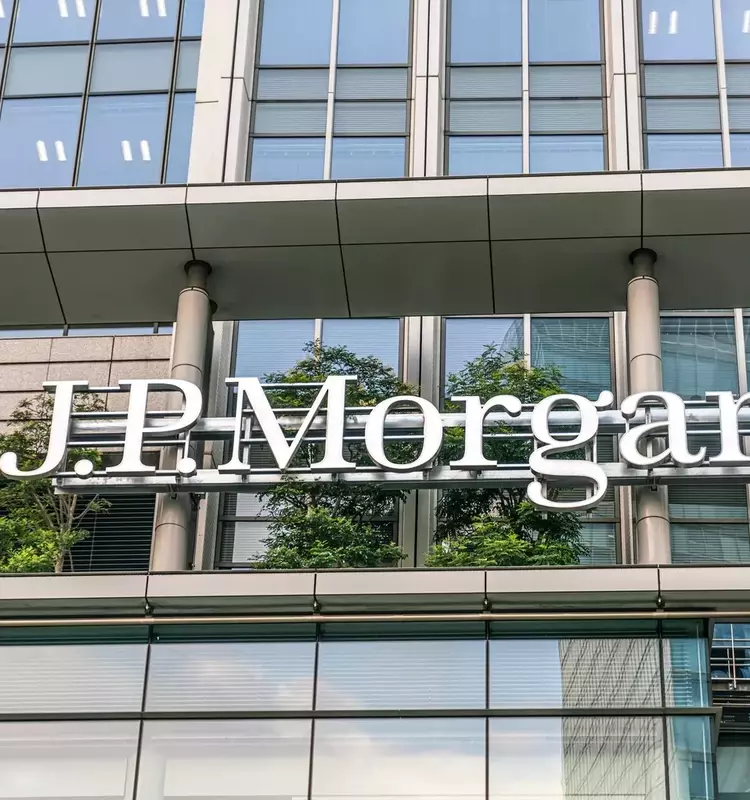
In the recent earnings season, leading financial institutions such as JPMorgan, Bank of America, and Wells Fargo reported robust earnings that surpassed expectations. However, instead of driving stock price increases, these positive reports were met with a 'sell-the-news' reaction from investors. This counterintuitive response was primarily fueled by concerns regarding rising operational expenses and uncertainties surrounding future profitability outlooks, leading to early selling pressure despite the strong financial results. This trend highlights a cautious investor sentiment, where broader economic anxieties and cost management issues overshadowed immediate earnings beats, signaling a deeper scrutiny of long-term sustainability rather than short-term gains.
Conversely, Goldman Sachs emerged as a notable outlier, demonstrating superior performance compared to its industry peers. The investment bank’s revenue significantly exceeded forecasts, largely propelled by an impressive 55% year-over-year increase in investment banking fees. A key contributor to this surge was its involvement in the SpaceX initial public offering. This success underscores the firm's strong position in capital markets and its ability to capitalize on significant corporate finance activities, distinguishing it from other major banks that faced skepticism over their expense structures and forward-looking guidance. Goldman's outperformance suggests that specialized strengths and strategic involvement in high-profile deals can offer a buffer against prevailing market caution.
Tech Sector Turbulence and Economic Indicators
The technology sector experienced a significant downturn following an unexpected revenue warning from IBM. The company announced that its second-quarter revenue would fall short of estimates, attributing this to a shift in customer spending towards hardware, such as servers, storage, and memory, in the final weeks of June. This announcement triggered a sharp selloff across software and consulting stocks, impacting major players like ServiceNow, Salesforce, Adobe, and Microsoft. The market reaction indicates investor sensitivity to changes in enterprise spending patterns and a reevaluation of growth prospects for companies heavily reliant on software and consulting services when capital expenditure priorities shift towards foundational infrastructure.
Amidst these corporate developments, inflation data presented a mixed picture. Retail inflation, as measured by the Consumer Price Index, showed a surprising moderation in June, rising by 3.5% year-over-year, which was lower than anticipated. This deceleration was primarily driven by a notable decline in energy prices. However, market analysts expressed caution, noting that with oil prices beginning to rebound, this improvement in inflation might be temporary. This suggests that while immediate inflationary pressures eased, the underlying economic conditions and global commodity markets could quickly reverse this trend, prompting investors to maintain a defensive and selective approach in their portfolios, anticipating potential shifts towards tighter monetary policies from central banks.
