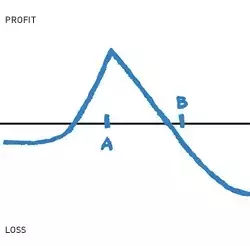
A diagonal spread represents a sophisticated options trading strategy, integrating aspects from both horizontal and vertical spreads by purposefully selecting options that differ in both their strike prices and expiry dates. This technique offers traders a nuanced method to manage speculative positions and inherent risks, facilitating either bullish or bearish market stances while aiming to mitigate the impact of time decay.
This advanced strategy typically involves the simultaneous purchase of a long-term option and the sale of a short-term option, each with distinct strike prices. The flexibility of diagonal spreads allows for adaptation to various market outlooks. Successful implementation hinges on a thorough understanding of how these differing option components interact, enabling investors to fine-tune their market exposure and optimize potential returns. Whether aiming to profit from anticipated market shifts or to hedge existing positions, mastering diagonal spreads is a valuable skill for advanced options traders.
Understanding the Mechanics of Diagonal Spreads
Diagonal spreads derive their name from how they appear on an options grid, combining features of both calendar and vertical spreads. Unlike vertical spreads, which involve options with the same expiration date but different strike prices, or horizontal spreads (also known as calendar or time spreads), which use the same strike price but different expiration dates, diagonal spreads incorporate variations in both. This hybrid structure allows for more intricate risk-reward profiles and greater flexibility in responding to market expectations.
The strategic deployment of diagonal spreads typically involves acquiring an option with a longer expiration period while simultaneously selling an option with a shorter expiration period. The choice of strike prices for these options will depend on whether the trader anticipates a bullish or bearish movement in the underlying asset. This approach enables traders to harness the benefits of both time decay and price movement, constructing positions that are tailored to specific market forecasts and risk tolerances. The nuanced interplay between the two options makes diagonal spreads a powerful tool for experienced traders.
Exploring Different Types of Diagonal Spreads
Diagonal spreads are highly adaptable strategies in options trading, characterized by the use of options with varying strike prices and expiration dates. This versatility allows them to be structured to reflect either a bullish or bearish market outlook, utilizing both call and put options. A core principle for most diagonal spreads is the requirement to purchase the option with the longer expiration date and simultaneously sell the option with the shorter expiration date, a rule that applies uniformly to both call and put variations.
Conversely, a short diagonal spread involves the acquisition of the shorter-dated option and the sale of the longer-dated one. The determination of whether a strategy is bullish or bearish is primarily driven by the specific combination of strike prices selected for the options. For instance, a long call diagonal spread designed for a bullish forecast might involve buying a call with a longer expiration and a lower strike price, while selling a call with a nearer expiration and a higher strike price. This strategic layering of options enables traders to construct positions with precise market exposure and risk management, allowing for nuanced responses to anticipated price movements.
