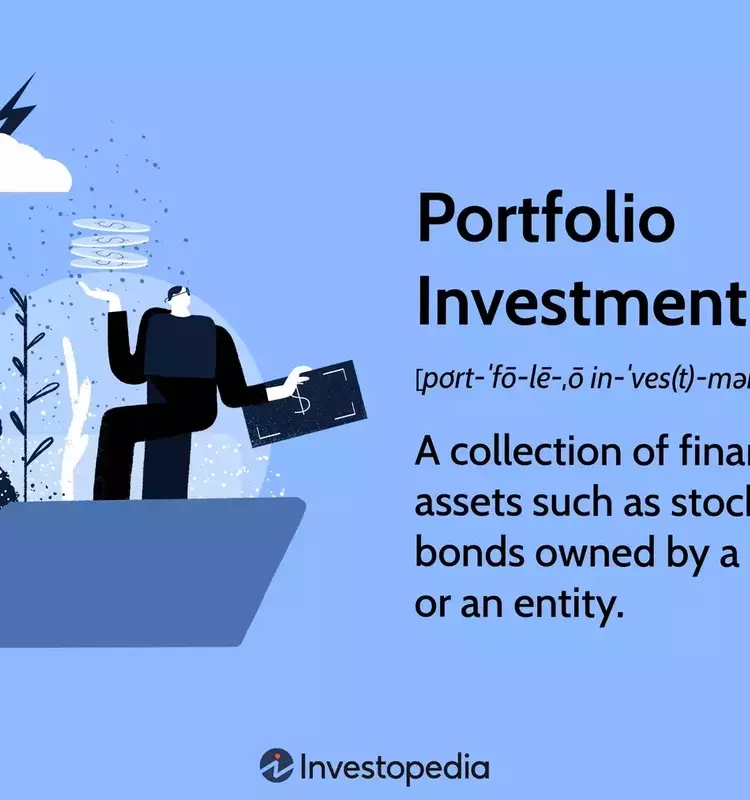
A portfolio investment is essentially the ownership of financial instruments like stocks, bonds, or other assets, held with the expectation of generating returns or increasing in value over time. Effective portfolio management involves strategically combining these assets to balance potential gains with inherent risks, ultimately supporting long-term financial aspirations. Key aspects such as diversification and asset allocation are critical for navigating market fluctuations and maximizing investment growth.
Understanding portfolio investments begins with recognizing that various assets behave differently under economic shifts, each carrying unique risk-reward profiles. An investment portfolio typically comprises a mix of asset classes, ranging from traditional choices like equities, government, and corporate bonds, to mutual funds and exchange-traded funds (ETFs). More unconventional options, such as derivatives, real estate, commodities, or even art and collectibles, can also form part of a comprehensive portfolio. The selection and proportion of these assets, a process known as asset allocation, should align with an individual's financial goals, tolerance for risk, and investment horizon. For instance, younger investors with a longer time frame might favor higher equity exposure for growth, while those nearing retirement may opt for a more conservative blend of bonds for stability and income. Investment strategies can span a spectrum from conservative, focusing on capital preservation, to aggressive, targeting high growth through greater exposure to volatile assets, with moderate approaches striking a balance between the two extremes. Each strategy allows investors to tailor their portfolio to their specific financial situation and objectives.
Diversification is a foundational principle in portfolio investing, aiming to reduce the impact of any single asset's underperformance by spreading investments across different asset classes, sectors, and geographic regions. This strategy helps stabilize returns and mitigate risk. For newcomers, instruments like ETFs and passive index mutual funds offer a straightforward and cost-effective way to build a diversified portfolio. Beyond these, investors might explore 'slicing and dicing' their portfolio into specific asset subclasses, such as small-cap value or emerging markets, or delve into alternative assets like derivatives or private equity for more tailored exposure. Effective risk management is crucial, requiring investors to understand and adjust their risk tolerance over time, influenced by factors like age, financial status, liquidity needs, and market conditions. Tools such as stop-loss orders can help manage downside risk, and understanding the inherent risk-return trade-offs of each financial product is essential. While lower-risk assets generally offer lower returns, higher-risk assets present the potential for greater gains, emphasizing the need for a balanced approach. Furthermore, the investment timeline significantly influences portfolio construction; shorter horizons typically call for less risk, while longer durations allow for greater risk-taking to capitalize on potential long-term growth.
Strategic portfolio management integrates diverse financial instruments to generate consistent returns over time. By carefully considering asset allocation, managing risk, and aligning investments with personal financial goals and timelines, individuals can construct robust portfolios. The principle of diversification, spreading investments across various asset classes that react differently to market conditions, is fundamental to reducing volatility and enhancing overall returns. This thoughtful and dynamic approach to investing not only safeguards wealth but also propels it forward, fostering financial well-being and security.
