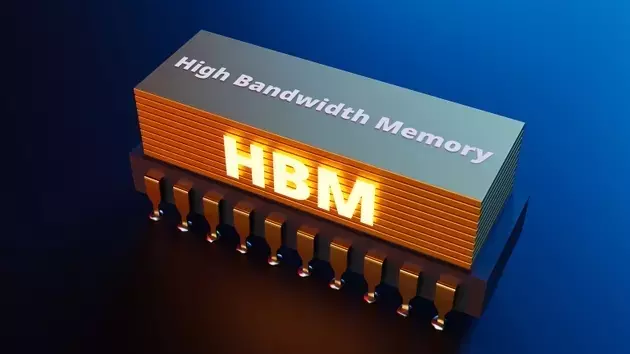
The global semiconductor industry is once again grappling with a significant memory shortage, a phenomenon colloquially dubbed the “RAMpocalypse” or “RAMageddon.” This persistent scarcity, which has been intensifying over the past few years, continues to exert its influence across a multitude of industries. This analysis will delve into the underlying causes of this enduring market condition, highlighting the strategic shifts undertaken by leading memory manufacturers and offering a long-term perspective on the sector's trajectory.
The Unfolding Scenario in the Global Memory Market
In recent years, a critical shortage of random-access memory (RAM) has reshaped the global technology landscape, primarily fueled by an escalating demand from enterprise solutions and advanced artificial intelligence applications. This structural imbalance in supply and demand has created a highly favorable environment for the industry's titans: Micron (MU), Samsung, and SK Hynix. These companies have strategically reallocated their manufacturing capacities and resources, prioritizing the production of high-margin memory products tailored for data centers and AI infrastructure. This pivot has resulted in unprecedented year-over-year revenue growth, with Micron reporting an impressive 57% increase, Samsung a robust 69%, and SK Hynix leading the charge with a staggering 198% surge.
Unlike cyclical market fluctuations, the current memory shortage is deeply rooted in structural factors within the industry. It reflects a fundamental shift in technological priorities and an underestimation of the rapid expansion of AI and cloud computing sectors. Consequently, this scarcity is not a temporary blip but a sustained market condition, with experts projecting that stabilization might not occur until well after 2030. This extended period of undersupply suggests a prolonged era of elevated pricing and robust profitability for memory producers.
For investors, this presents a compelling long-term bullish case for companies like Micron, Western Digital (WDC), and Seagate Technology (STX). The sustained demand for DRAM and NAND memory, coupled with the transformative and enduring impact of artificial intelligence across various industries, is expected to drive consistent growth and innovation within the semiconductor sector. The strategic focus on high-value segments ensures that these companies are well-positioned to capitalize on the ongoing technological evolution and the foundational role memory plays in it.
The sustained global memory shortage underscores the critical role of semiconductors in the modern digital economy. It highlights the delicate balance between supply, demand, and technological advancement. For consumers and industries alike, this period of scarcity necessitates strategic planning and adaptation. For investors, it offers a window into the long-term growth potential of companies at the forefront of memory innovation. The 'RAMpocalypse' is not merely a challenge but a catalyst, driving innovation and reshaping the contours of the global technology market for years to come.
