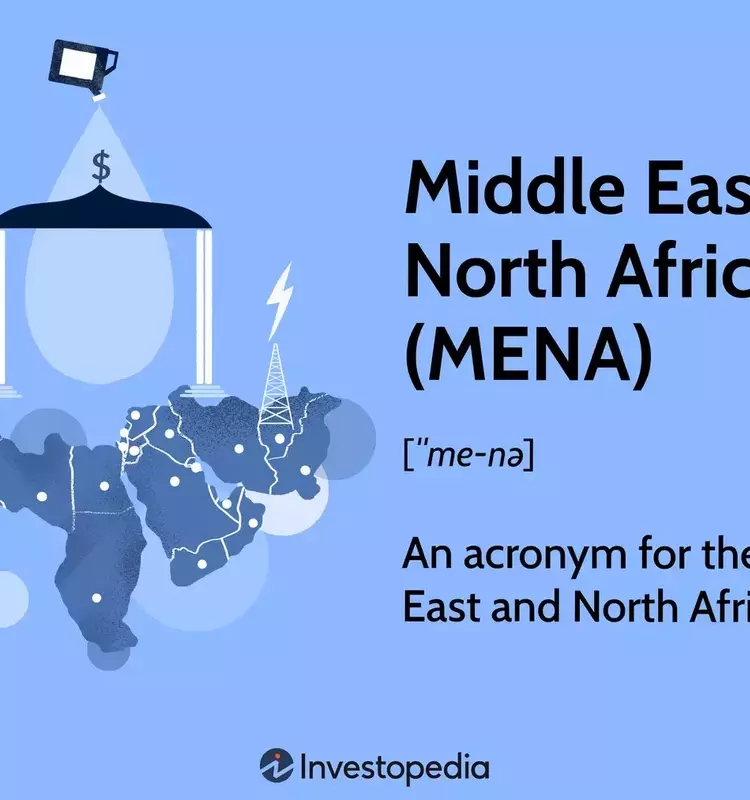
The Middle East and North Africa (MENA) region is of immense global importance, primarily due to its vast energy reserves and strategic geographical position. It is a diverse area, comprising numerous nations with varied economic structures, from hydrocarbon-dependent states to burgeoning tech hubs. Despite its economic potential, the region is frequently marked by geopolitical tensions and conflicts, which significantly influence its stability and investment landscape. Understanding MENA requires a comprehensive look at its economic powerhouses, emerging sectors, and the inherent challenges posed by its complex political environment.
MENA Region: A Nexus of Energy, Economy, and Geopolitics
The Middle East and North Africa (MENA) region, a vast expanse stretching from Morocco's Atlantic coast to the highlands of Iran and extending southward to Sudan, is a critical player on the global stage. Defined by varying sets of countries—typically between 19 and 27 nations—MENA's significance stems largely from its immense reserves of oil and natural gas. Seven of the twelve OPEC member states are situated within this region, underscoring its central role in global energy markets. However, the region is a tapestry of contrasts, blending oil-rich monarchies with technologically advanced economies and emerging markets.
Economically, Saudi Arabia stands as the region's largest powerhouse, with its economy heavily reliant on petroleum exports, contributing approximately 40% to its GDP. Despite this dependency, the Kingdom is actively pursuing ambitious diversification strategies, funneling investments into technology and tourism sectors to foster a more sustainable economic future. Conversely, Israel presents a distinctive economic model within MENA. Eschewing energy exports, its economy thrives on industrial manufacturing, a robust diamond industry, and a world-renowned high-tech ecosystem, earning it the moniker of the "start-up nation." In North Africa, Egypt boasts the region's fifth-largest economy, driven by tourism, remittances, agriculture, and natural gas. Despite significant infrastructure investments and economic reforms since 2011, Egypt grapples with inflationary pressures and foreign currency shortages.
Investment opportunities in MENA are predominantly linked to its substantial energy sector, which holds over half of the world's proven oil reserves and 40% of its natural gas reserves. Investors can access these markets through various financial products, including country-specific and regional ETFs. Beyond traditional energy, countries like the United Arab Emirates are cultivating vibrant tech sectors, while Qatar is expanding its financial services industry, signaling a broader push toward economic diversification across the region. However, investing in MENA is not without complexities. The region is perpetually influenced by geopolitical conflicts and the interventions of foreign powers. Events such as the U.S. invasions of Iraq and Afghanistan, the Arab Spring protests in 2011, and ongoing tensions in places like Syria, Yemen, and between Israel and Palestine, significantly impact economic stability and create market volatility. These persistent challenges necessitate a careful and informed approach for any investor considering the MENA landscape.
The MENA region serves as a vivid illustration of how deeply intertwined global economics and geopolitical realities are. Its vast energy resources offer substantial opportunities, yet the continuous political unrest presents significant hurdles. For global stakeholders and investors, a nuanced understanding of these dynamics is essential. The region's journey toward economic diversification and stability will undoubtedly be a long and complex one, requiring both internal reforms and external support. As a journalist, I am inspired by the resilience and ambition of many nations within MENA to transform their economies, even amidst profound challenges. However, the human cost of ongoing conflicts remains a stark reminder that true economic prosperity cannot be achieved without lasting peace and stability.
