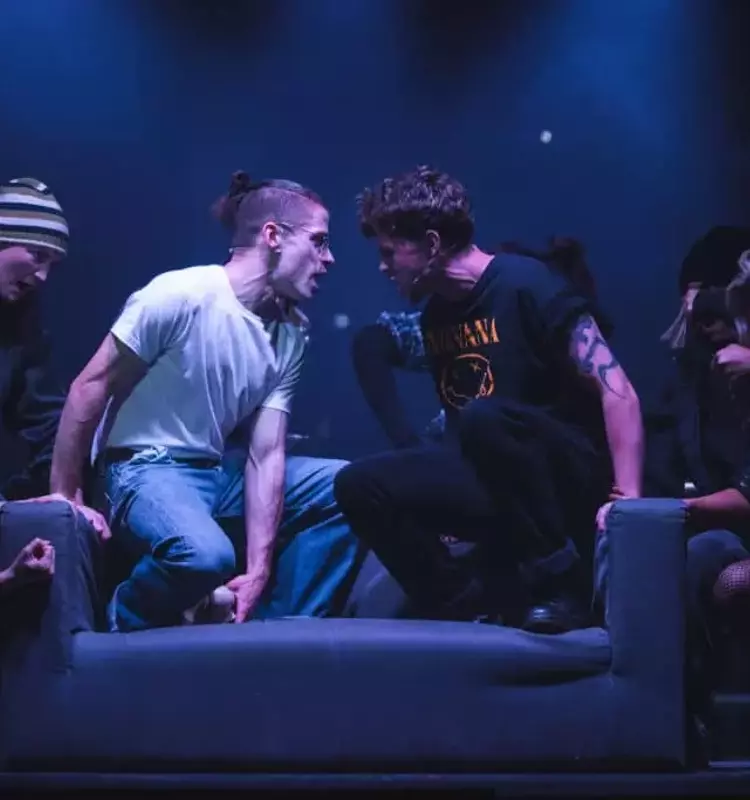
Modern Dance Training: A Neutral Overview of Concepts, Structures, and Educational Context
1. Clarifying the Objective
The objective of this article is to explain the concept of modern dance training and describe its educational, technical, and artistic frameworks. The discussion addresses the following questions:
- What constitutes modern dance training?
- Which foundational concepts and principles underlie this type of dance instruction?
- How are techniques and movements structured within training programs?
- What broader cultural, historical, and educational contexts shape the delivery of modern dance training?
By following a structured sequence—objective clarification, concept analysis, mechanism explanation, holistic discussion, summary, and question-and-answer—the article aims to provide a systematic and neutral overview of modern dance training.
2. Basic Concept Analysis
Modern dance is a genre of dance that emerged in the early 20th century as a departure from classical ballet. It emphasizes expression, natural movement, and often improvisation, reflecting individual or collective artistic interpretation. Modern dance training focuses on explaining these principles, teaching techniques, and guiding practice.
Key components of modern dance training include body alignment, movement initiation, spatial awareness, rhythm, and the development of expressive capacity. Training often integrates elements from various dance traditions and may include improvisation, composition, and performance skills.
Unlike general physical exercise, modern dance training is oriented toward performance, artistic interpretation, and technical mastery. It differs from ballet or other classical dance forms by prioritizing freedom of movement, personal expression, and innovative choreography rather than strict adherence to codified positions or sequences.
3. Core Mechanisms and In-Depth Explanation
Modern dance training relies on structured yet adaptable instructional mechanisms that develop both technical skill and artistic understanding.
Technique and Movement Exercises
Trainees practice foundational movements, such as floor work, contraction and release, weight shifts, and directional changes. Exercises are sequenced to gradually increase complexity, improve body control, and develop coordination.
Improvisation and Composition
Training often includes improvisation to encourage creativity and self-expression. Students explore movement possibilities within spatial and rhythmic frameworks. Composition exercises may involve structuring movement phrases and understanding relationships between dancers, music, and space.
Body Awareness and Conditioning
Training integrates body conditioning, including flexibility, strength, endurance, and alignment. Awareness of breath, posture, and muscular engagement is emphasized to optimize performance quality and prevent injury.
Performance and Feedback Mechanisms
Students engage in studio performances or presentations to apply learned techniques in expressive contexts. Feedback from instructors or peers is used to refine technical accuracy, interpretive clarity, and artistic cohesion.
Together, these mechanisms provide a comprehensive framework for developing the physical, cognitive, and expressive skills required in modern dance.
4. Presenting the Full Picture and Objective Discussion
Modern dance training is situated within broader educational, cultural, and artistic systems. Dance studios, conservatories, universities, and community programs offer structured training that reflects both local and international practices. Historical developments, such as the contributions of pioneers like Martha Graham, Merce Cunningham, and Doris Humphrey, inform training curricula and pedagogical approaches.
Research indicates that dance training can contribute to physical health, cognitive development, and social skills, though modern dance also carries unique demands due to its emphasis on expressive movement and improvisation. Training programs vary in duration, intensity, and pedagogical focus, reflecting differences in institutional goals, cultural contexts, and student populations.
Limitations include variability in instructional quality, access to qualified instructors, and differences in facility resources. Modern dance training may also be complemented by cross-training in related movement disciplines, but the curriculum generally maintains focus on expressive and technical development specific to modern dance.
5. Summary and Outlook
In summary, modern dance training is an educational approach designed to develop technical skill, expressive capacity, and artistic understanding within the modern dance genre. Training integrates movement exercises, improvisation, body conditioning, and performance application, framed within historical and cultural contexts.
Looking forward, modern dance training continues to evolve with influences from contemporary movement research, interdisciplinary arts, and digital learning resources. While foundational principles remain, instructional methods and performance applications adapt to new educational and artistic environments.
6. Questions and Answers
What is the main focus of modern dance training?
It focuses on developing technical movement skills, expressive capacity, and artistic interpretation within the modern dance framework.
Does modern dance training follow a strict sequence like classical ballet?
No. While there is structured progression, modern dance emphasizes freedom, creativity, and individual interpretation.
Are historical figures relevant to modern dance training?
Yes. The contributions of pioneers such as Martha Graham, Merce Cunningham, and Doris Humphrey inform training methodologies and curricular design.
Can modern dance training include improvisation?
Yes. Improvisation is a core component for developing creativity, expressive movement, and compositional understanding.
https://www.danceusa.org/
https://www.nationaldancemuseum.org/
https://www.theartstory.org/artist/martha-graham/
https://www.theartstory.org/artist/merce-cunningham/
https://www.ncaa.org/sports/2013/11/13/dance-and-physical-education.aspx
