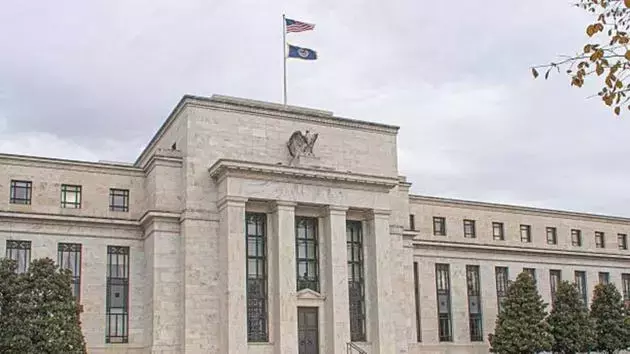
The fixed income market is currently experiencing significant shifts, prompting investors to re-evaluate their strategies. Recent developments indicate a more hawkish stance from the Federal Reserve, moving away from previous expectations of rate cuts towards a 'higher-for-longer' interest rate environment. This pivot, influenced by persistent inflationary pressures, robust employment figures, and escalating geopolitical risks, necessitates a careful approach to bond portfolio management. Investors are increasingly seeking ways to mitigate duration risk and protect their portfolios from potential volatility.
A notable trend in the Treasury market is the rapid repricing of expectations. Initially, market participants anticipated multiple rate reductions; however, current projections now fully incorporate a rate hike by March 2027. This dramatic shift is reflected in the climbing 10-year Treasury yield, which has reached 4.60%. Such movements underscore the market's response to stronger-than-expected economic data and the Federal Reserve's commitment to controlling inflation, even if it means maintaining higher rates for an extended period. The ongoing 'inflation trade' further reinforces the need for investors to adjust their fixed income exposures.
In this dynamic environment, a key strategy for bond investors involves reducing exposure to long-duration assets. This can be achieved through a 'barbell' allocation approach, combining short-term, highly liquid instruments with longer-term assets that offer diversification. Treasury Floating Rate Notes (FRNs) emerge as a compelling option within this strategy. FRNs offer a unique mechanism to hedge against rising interest rates, as their coupon payments adjust periodically based on a benchmark rate, thereby reducing sensitivity to interest rate fluctuations. By incorporating FRNs, investors can maintain exposure to U.S. government debt while effectively managing the risks associated with a rising rate environment.
For instance, strategies like the WisdomTree Floating Rate Treasury Fund provide a practical avenue for investors to access these benefits. By investing in Treasury FRNs, this fund helps to insulate portfolios from the impact of increasing yields. This defensive posture is crucial as market conditions suggest further upside risk for yields, with technical levels in the U.S. Treasury market indicating that the 10-year yield could potentially breach 4.80% if current trends continue. The adaptability of FRNs to changing interest rate environments makes them an invaluable tool for bond investors seeking resilience and stability in their portfolios amidst economic uncertainties.
The evolving macroeconomic landscape demands a proactive and adaptive approach from bond investors. The transition to a 'higher-for-longer' interest rate paradigm, driven by resilient inflation and economic growth, signals a period of heightened volatility in fixed income markets. By prioritizing duration risk management and integrating instruments like Treasury Floating Rate Notes, investors can fortify their portfolios, mitigating the impact of rising rates and navigating the complexities of the current market with greater confidence.
