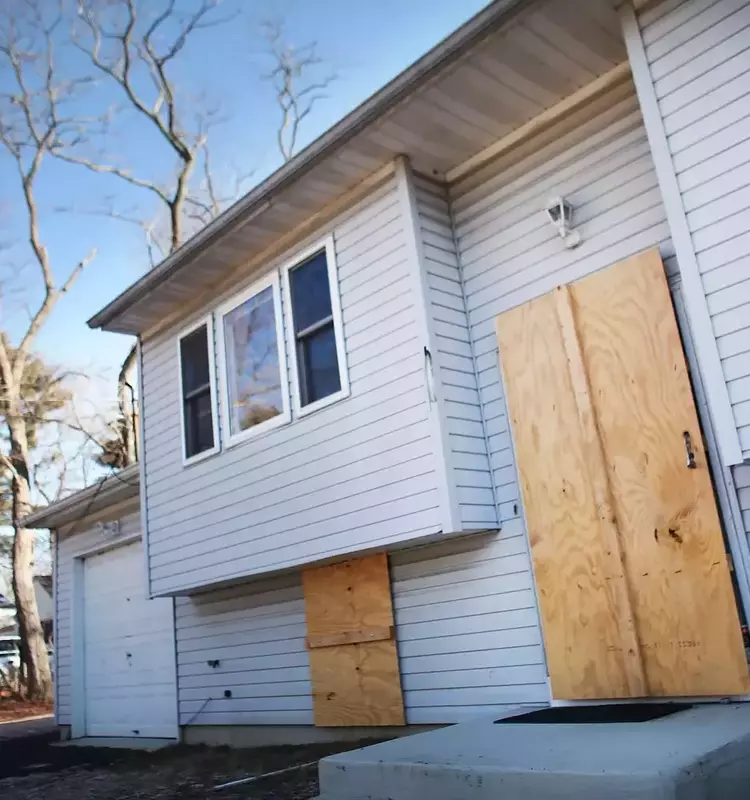
Securing a foreclosed home can appear to be an attractive financial prospect for both prospective homeowners and investors. These properties often boast price tags significantly lower than market value, presenting an enticing opportunity. However, beneath the surface of a seemingly advantageous deal, lie numerous complexities and potential pitfalls. These can encompass substantial physical deterioration, unresolved legal issues, and intricate purchasing procedures that demand careful consideration. A thorough understanding of these challenges is crucial for anyone contemplating such an acquisition.
Understanding the intricacies of foreclosed homes, from their physical state to the legalities involved, is essential for any potential buyer. These properties, while offering a lower entry price, often require a significant commitment in terms of time, resources, and expert consultation to navigate successfully.
Hidden Risks and Legal Obstacles in Foreclosed Properties
Acquiring foreclosed real estate can involve a range of complications, some of which may not be immediately apparent. Beyond visual defects, properties might be burdened with tax liens from prior owners' unpaid dues or have unpermitted structural modifications. Additionally, outstanding homeowner association fees could become the responsibility of the new owner. To safeguard against some of these legal complications, it is advisable to engage a title company to conduct a thorough title search before finalizing any commitment. This process helps uncover any undisclosed liens on the property. Furthermore, certain states have redemption laws, allowing previous homeowners to reclaim their property within a specified timeframe, even after a sale has been completed, adding another layer of risk for buyers.
The condition of foreclosed homes often lags behind that of typical market listings. Former occupants might have neglected basic upkeep due to financial strain or indifference, leading to significant wear and tear. In some cases, disgruntled owners might deliberately damage the property before vacating. Moreover, properties left unoccupied for extended periods are susceptible to infestations by pests, with no one present to address such issues. They can also become targets for vandalism or theft of valuable materials like copper wiring. In more extreme scenarios, abandoned homes may even be inhabited by squatters, whose removal can present additional legal and logistical challenges for the new owner. This lack of maintenance and potential for deliberate damage or occupation by others significantly increases the risks and costs associated with these properties.
Navigating the Purchase and Market Dynamics of Foreclosures
The acquisition of foreclosed properties is typically conducted on an "as-is" basis, meaning sellers, often financial institutions, are not legally bound to disclose property defects in the same way individual sellers are. This places the onus on the buyer to assume the risks of potential costly issues that might only become apparent post-purchase. Therefore, visiting the property before committing is paramount, and engaging a professional home inspector to thoroughly evaluate its condition, focusing on critical areas like the foundation, plumbing, electrical systems, roofing, and HVAC, is a crucial precautionary step when time allows.
Beyond property-specific issues, the foreclosure purchase process itself can be complicated. While banks are motivated to divest these properties quickly, the transaction often involves extensive paperwork. Securing financing for a foreclosed home can also be more challenging due to heightened risks for lenders, though government programs like the Federal Housing Administration's Section 203(k) can facilitate loans covering both the purchase and necessary repairs. Buyers should consider obtaining mortgage pre-approval before identifying a property. Additionally, depending on housing market conditions, intense competition from other buyers, particularly cash-rich investors, can limit negotiation leverage and necessitate rapid decision-making. Despite these hurdles, strategic buyers, especially those pre-approved for financing, can still find value, provided they are prepared for the competitive landscape.
