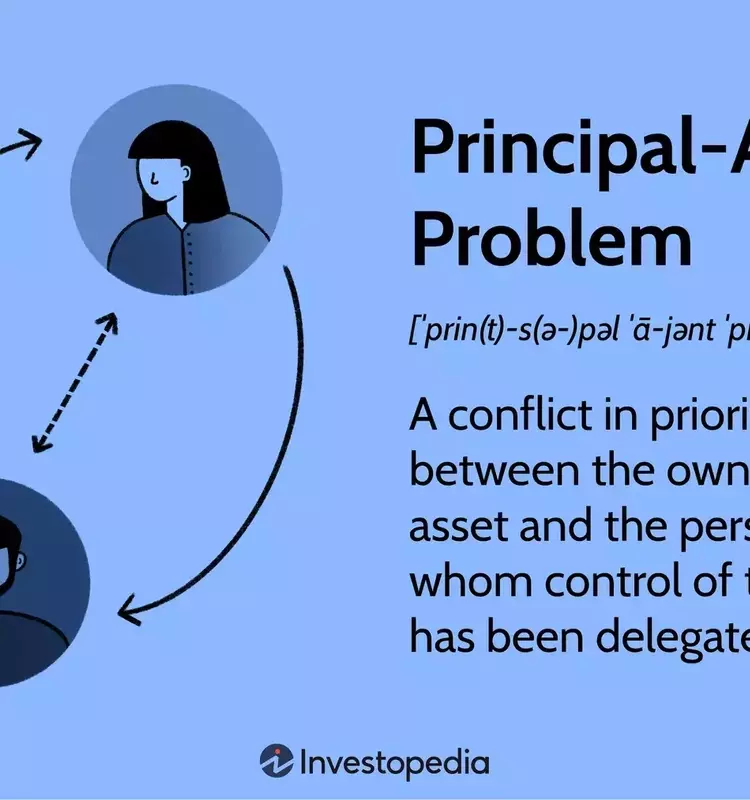
The principal-agent dilemma describes a scenario where an agent, appointed to act on behalf of a principal, prioritizes their own objectives over the best interests of the delegating party. This misalignment of goals can emerge in various contexts, from business to political representation, inevitably leading to potential inefficiencies and financial overheads known as agency costs. To mitigate this issue, effective strategies focus on meticulously crafting agreements, establishing clear performance expectations, and designing compensation structures that harmonize the interests of both parties. By fostering transparency and accountability, principals can ensure that agents' actions genuinely serve their intended purpose.
Understanding the intricacies of the principal-agent dynamic is crucial for effective governance and operational efficiency. Developed as a cornerstone of economic and political theory, this concept highlights the challenges inherent in delegating authority. Whether it’s a shareholder entrusting their investments to a CEO or a citizen electing a political representative, the potential for divergent interests remains. Addressing these conflicts requires a proactive approach, emphasizing not just oversight, but also the creation of mutually beneficial frameworks that encourage agents to act in alignment with the principal's overarching goals, thereby reducing the risk of suboptimal outcomes and fostering greater trust and productivity.
Understanding the Core of the Principal-Agent Dynamic
The principal-agent problem is fundamentally a clash of priorities between an individual or entity (the principal) and another individual or entity (the agent) who has been given authority to act on the principal's behalf. This issue is not limited to specific sectors but can manifest in any situation where control over an asset or decision-making power is delegated. The challenge arises when the agent’s actions, driven by personal motives, diverge from what would genuinely serve the principal's best interests. This divergence creates what are known as agency costs, which encompass not only the financial repercussions of misaligned actions but also the expenses associated with monitoring the agent and implementing measures to align their behavior. Addressing this core conflict requires a nuanced understanding of motivations and the creation of structures that minimize such discrepancies.
The theoretical underpinnings of the principal-agent problem were significantly advanced in the 1970s by Michael Jensen and William Meckling, who highlighted the concept of agency costs stemming from the separation of ownership and control. When a principal grants an agent decision-making power, the principal retains ownership and liability, while the agent gains control. This creates an inherent risk that the agent may exploit their position for personal gain, rather than fulfilling the principal’s objectives. For instance, shareholders (principals) expect a CEO (agent) to enhance stock value or provide dividends. If the CEO instead invests heavily in expansion or awards excessive bonuses, the shareholders' interests may be compromised. Solutions typically involve establishing transparent expectations, regular performance reviews, and creating incentive systems that encourage agents to act in harmony with the principal's goals.
Strategies to Mitigate Principal-Agent Conflicts
Mitigating the principal-agent problem largely falls on the shoulders of the principal to establish mechanisms that encourage the agent to act in line with their directives. A crucial strategy involves meticulously designing contracts that explicitly link the agent's performance to the principal's objectives. This can include setting clear reporting requirements, integrating external monitoring or auditing functions, and having provisions for replacing agents who consistently fail to meet expectations. The aim is to create a framework where the agent's self-interest naturally aligns with the principal's goals, thereby minimizing potential conflicts and ensuring that delegated authority serves its intended purpose effectively and efficiently.
Another powerful solution lies in performance-based compensation and comprehensive evaluation systems. By directly tying an agent’s remuneration to specific metrics that reflect the principal’s desired outcomes, the agent is motivated to prioritize those objectives. This approach can manifest through various financial incentives, such as stock options, deferred compensation plans, or profit-sharing arrangements, all designed to make the agent a direct beneficiary of the principal's success. The fundamental principle is akin to tipping in the service industry: a direct link between service quality and reward fosters a shared interest in positive outcomes. This alignment is vital, as it shifts the agent's focus from personal gain at the principal's expense to mutual benefit, transforming potential conflict into cooperative endeavor. In situations where communication breakdowns or conflicting motivations arise, clear communication and strong incentives become indispensable tools for effective governance and mutually beneficial relationships.
