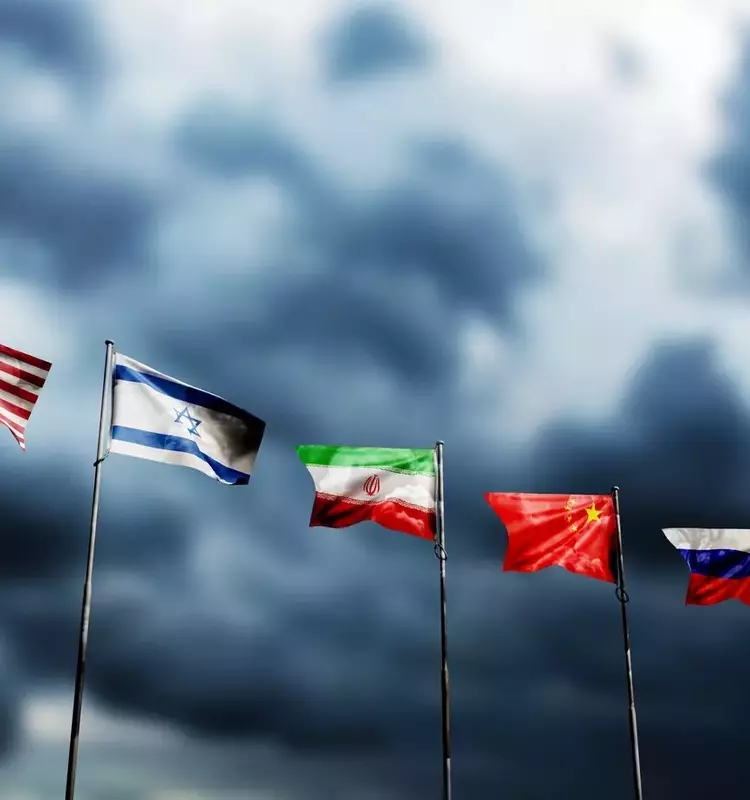
In the dynamic interplay between global politics and financial markets, the current climate presents a complex picture. Geopolitical tensions, particularly those emanating from the Middle East, are exerting a discernible upward pressure on both crude oil prices and government bond yields. This situation creates a challenging environment for investors, even as underlying domestic economic indicators suggest a healthy trajectory. The recent, somewhat impromptu, cessation of hostilities with Iran, while crucial in preventing a broader conflict, means that market fluctuations and elevated energy costs are likely to persist as negotiations unfold. This delicate balance of international relations and economic realities highlights the intricate web connecting global events to individual portfolios.
Geopolitical Tensions and Market Dynamics: A Detailed Analysis
In a recent period marked by heightened geopolitical uncertainty, the global financial landscape has been particularly sensitive to developments concerning Iran. Reports indicate that an urgent, if not fully detailed, agreement has been reached to de-escalate military actions. This temporary resolution, while offering a reprieve from immediate conflict, is perceived as fragile and subject to continued adjustments, suggesting sustained volatility in commodity markets, particularly for oil. This ongoing negotiation process, rather than a definitive resolution, ensures that oil prices will likely remain elevated for the foreseeable future.
Concurrently, the bond market has reacted with a notable rise in 2-year Treasury yields, which have climbed to approximately 4.23%. This increase reflects investor caution and a demand for higher returns in light of the perceived risks. The surge in yields places considerable economic pressure on the current U.S. administration, especially given the upcoming election cycle. Higher borrowing costs could dampen economic growth, potentially undermining a key platform for political campaigns focused on economic prosperity. Consequently, there is an observable imperative for the administration to actively pursue a more stable geopolitical environment to mitigate these economic risks.
Market analysts are closely watching these developments. The prevailing sentiment among many experts is that a rapid de-escalation of military posturing is probable. Such a move would likely lead to a stabilization of Treasury yields, bringing a measure of predictability back to fixed-income markets. Furthermore, the Federal Reserve is widely expected to maintain its current monetary policy, opting to keep interest rates unchanged. This steady approach is intended to insulate the domestic economy from the external shocks caused by geopolitical unrest, providing a consistent framework for economic activity amidst global turbulence. This strategic stance underscores a cautious approach to monetary policy, prioritizing stability over reactive adjustments in response to international events.
From an observer's perspective, the ongoing situation serves as a stark reminder of the interconnectedness of global politics and economic stability. The prompt, albeit provisional, ceasefire with Iran underscores the immediate need to prevent widespread conflict, which would have catastrophic economic consequences. The subsequent rise in Treasury yields clearly illustrates how geopolitical tensions translate directly into financial market pressures, influencing everything from borrowing costs for governments and businesses to the broader investment climate. This episode highlights the delicate balance world leaders must maintain, where diplomatic actions directly impact financial markets and, by extension, the daily lives of citizens. The Federal Reserve's anticipated steady hand on interest rates offers a glimmer of hope that, despite external volatility, domestic economic policy can provide a necessary anchor. However, it also emphasizes that true economic resilience requires not only sound internal policies but also effective, stable international relations. This underscores the critical importance of diplomacy and de-escalation in safeguarding both global peace and financial prosperity.
