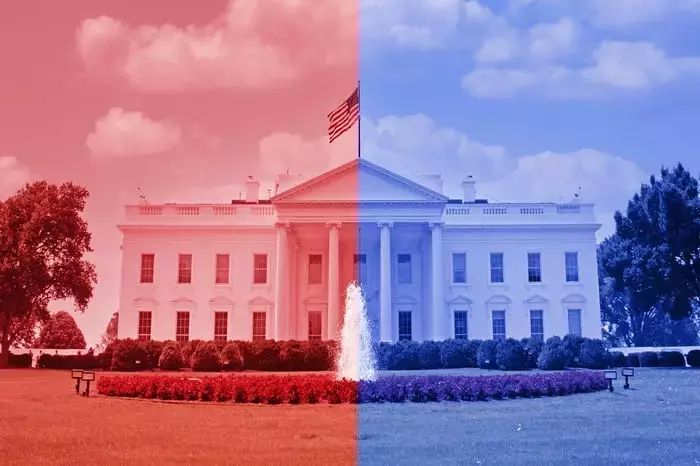
Government budget impasses, while generating significant media attention and causing immediate disruptions, have historically shown limited long-term effects on investment portfolios. Despite concerns about economic fallout, market data suggests a resilient trajectory for major indices like the S&P 500 through numerous past shutdowns. This highlights the importance of maintaining a strategic, long-term investment approach and avoiding emotional reactions to transient political events.
Understanding the nature and historical impact of government shutdowns is crucial for investors. While these events can lead to temporary operational pauses for non-essential government services, essential functions typically continue, and any financial markets volatility tends to be short-lived. A disciplined investment strategy, grounded in historical patterns rather than current headlines, is key to navigating such periods effectively.
Understanding Government Shutdowns and Media Influence
Government shutdowns, a regular occurrence in Washington D.C., are a result of political factions failing to agree on budget allocations. While presented with urgency by the media, these events seldom lead to a complete halt of government operations. Essential services, such as Social Security disbursements, often continue uninterrupted, and many federal employees are eventually compensated retroactively. The media's role in amplifying these events for audience engagement often exaggerates their long-term implications, creating a sense of crisis that can be misleading for investors. It's crucial to discern between immediate, often temporary, disruptions and lasting economic damage.
The term \"shutdown\" itself can be misleading, as vital government functions typically persevere. For instance, contingency plans ensure critical services remain active, albeit with reduced staffing. The longest shutdown on record lasted merely 35 days, a relatively short period in the grand scheme of economic cycles. While certain sectors or individuals might experience temporary inconvenience, the broader economic framework usually adapts. Investors should recognize the media's incentive to sensationalize news, which can inadvertently fuel panic. By understanding the limited scope and temporary nature of most shutdowns, investors can avoid knee-jerk reactions and maintain a more balanced perspective on market stability.
Investor Prudence Amidst Political Gridlock
During periods of government gridlock, investors should resist the urge to make rash decisions driven by emotional responses to news. History demonstrates that the stock market, as exemplified by the S&P 500 index, has consistently overcome numerous government shutdowns since 1974, delivering substantial long-term returns. Focusing on long-term financial objectives and adhering to a pre-defined investment strategy, rather than reacting to daily market fluctuations influenced by political events, is paramount for sustained portfolio health. The market's resilience in past instances offers a compelling argument against panic selling.
Despite the initial uncertainty that a shutdown might introduce, market data reveals that such events have not resulted in permanent capital destruction. The S&P 500's robust performance over decades, despite multiple shutdowns, underscores the market's ability to absorb and move past these political impasses. While short-term market volatility may arise, particularly if a shutdown extends, investors who maintain a buy-and-hold philosophy typically fare better. It is advisable to remain composed and trust in the long-term growth potential of investments, rather than allowing temporary political drama to dictate significant portfolio adjustments.