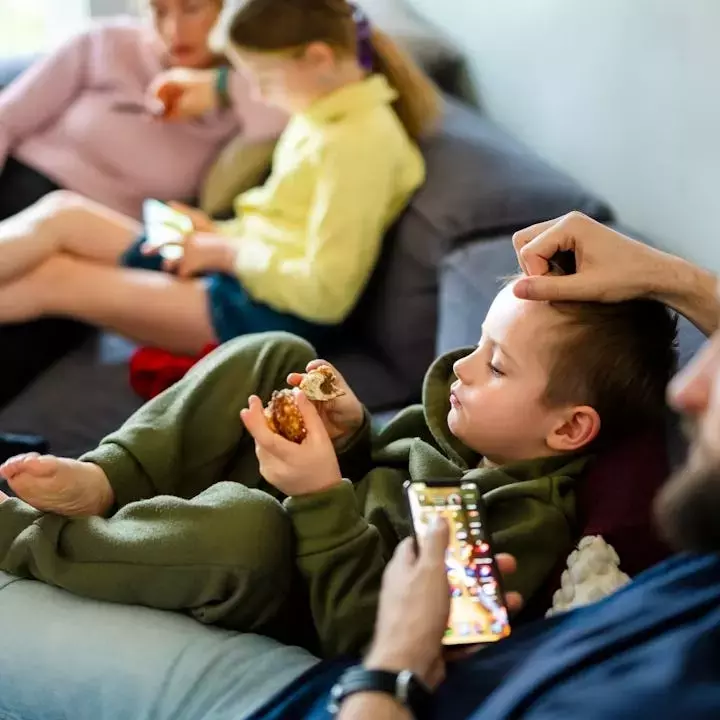
Navigating the "Half-Eaten Snack Graveyard": Expert Tips for Minimizing Food Waste with Kids
Many parents can relate to the common sight of half-eaten snacks scattered throughout their homes and cars. This pervasive issue, affectionately dubbed the "Half-Eaten Snack Graveyard," is a familiar challenge for caregivers, where children frequently leave behind partially consumed food items in unexpected places. This article explores the underlying reasons behind children's tendency to abandon snacks and offers expert-backed, practical solutions to help reduce food waste and foster healthier eating habits without unnecessary stress.
The habit of children leaving snacks unfinished is primarily driven by a combination of developmental factors. Pediatric nutritionist Kacie Barnes highlights that young children are naturally driven by curiosity, often getting sidetracked during snack time by new discoveries or distractions. Their small stomach capacity, roughly the size of a clenched fist for toddlers, also means they get full quickly, leading to uneaten portions. Additionally, the "food neophobia" phase, common in early childhood, causes children to be hesitant about trying new flavors, resulting in tentative nibbles rather than full consumption. This behavior, therefore, is less about defiance and more a reflection of their biological makeup and developing attention spans.
Addressing the issue of food waste is a significant concern for many families. Studies indicate that a considerable amount of edible food is discarded weekly by households, with children's snacking habits contributing substantially to this waste. Given the rising cost of groceries, especially for fresh produce, this waste can quickly accumulate. However, micromanaging every bite can lead to an unhealthy relationship with food for children. The goal is to find a balance between minimizing waste and promoting positive eating behaviors.
Experts propose several low-stress strategies to manage this situation effectively. One key recommendation is to offer smaller portions, as children are less overwhelmed by a few pieces of fruit or crackers, and there's less to discard if they lose interest. Encouraging family-style dining where children serve themselves can also foster independence and reduce leftovers. Establishing a designated "snack zone," such as the kitchen table, helps contain the mess and prevents snacks from migrating to various parts of the house. Some parents find success with a "snack basket" where uneaten items can be returned for later consumption or composting. Timing snacks appropriately, about two to three hours apart, aligns with children's natural hunger cues and can prevent constant grazing, which often leads to pickiness and waste. It's crucial to avoid pressuring children to finish their plates, as this can backfire by promoting fussiness or overeating. Instead, parents should model healthy eating habits, as children often imitate what they observe. Finally, getting creative with leftovers, like incorporating wilted fruit into smoothies or turning discarded vegetables into soup, can help minimize waste while providing nutritious meals.
Ultimately, the "Half-Eaten Snack Graveyard" can be viewed as a universal symbol of parenting – a testament to children's natural curiosity, ongoing development, and occasional messiness. By implementing these expert-recommended strategies, parents can navigate this common challenge with greater ease, reducing food waste and nurturing healthy eating habits in their children, all while acknowledging that some crumbs are simply an inevitable part of the journey.
