Unpacking the Latest Rate Cut: Your Money's Future Explained
Bank of England's Decision and Market Reactions
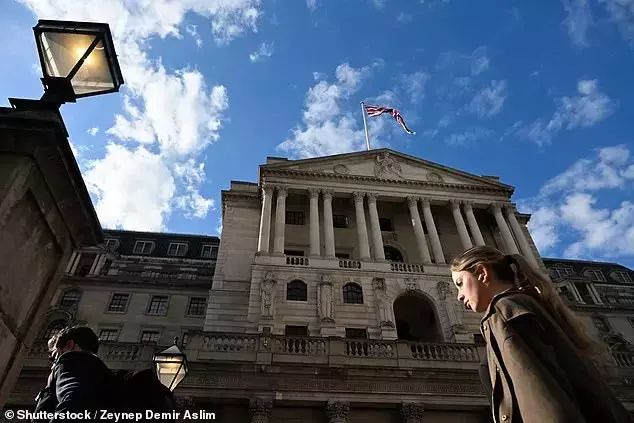
The Bank of England's Monetary Policy Committee recently announced a reduction in the base interest rate from 4.25% to 4%. This decision, though widely foreseen by financial analysts, was met with internal debate, requiring multiple voting rounds to reach a consensus. Ultimately, five members supported the cut, while four favored maintaining the previous rate. This marks the fifth such reduction since August 2024, cumulatively bringing the rate down by 1.25 percentage points from its previous high of 5.25%. While this move is generally favorable for those with mortgage loans, it presents a less optimistic outlook for individuals relying on savings interest.
Implications for Mortgage Holders
The cut in the base rate is largely seen as positive news for homeowners with mortgages. Specifically, individuals on tracker mortgages will immediately benefit from reduced monthly payments, aligning with the 0.25% decrease. For those on fixed-rate deals, the impact will be more gradual. Although some lenders may introduce slight reductions in fixed rates soon, significant changes are not expected immediately. This is because fixed mortgage rates are typically influenced by longer-term interest rate forecasts rather than immediate base rate adjustments. Many homeowners on existing fixed-rate agreements will not see immediate changes to their payments. However, for the approximately 900,000 households due to renew their mortgages between July and December of this year, the lower rates are a welcome development, even if they still face higher costs compared to pre-pandemic rates of 1-2%.
Future Outlook for Mortgage Rates
The current trend suggests a continued downward trajectory for mortgage rates. The most competitive two-year fixed rates are now below 3.8%, and five-year fixed rates are just above 3.8%. Experts anticipate that this rate cut could encourage lenders to further reduce rates, possibly by another 0.2 percentage points, to stay competitive and attract new clients. Market projections suggest at least one more rate cut by the Bank of England before the year ends, potentially bringing the rate down to 3.75% by Christmas. Some analysts even foresee rates dropping to 3% by the end of 2026, although others predict they will stabilize around 4%. The direction of fixed mortgage rates is heavily influenced by Sonia swap rates, which reflect future interest rate expectations. A consistent decline in these swap rates could lead to lower fixed mortgage rates, provided inflation remains controlled and broader economic pressures are manageable.
The Impact on Savers
Conversely, the interest rate reduction is less favorable for savers. A lower base rate generally translates to decreased interest earnings on deposits. Easy-access savings accounts are particularly vulnerable, with some top-paying accounts already showing reductions. While some banks might not pass on the full 0.25% cut to avoid losing competitive standing, a general downturn in savings rates is anticipated. For instance, the best easy-access accounts currently offer around 4.6%, with some restricted accounts reaching 5%. The best one-year fixed-rate bonds are around 4.5%, a noticeable drop from the 6.2% peak in October 2023.
Strategies for Savers in a Declining Rate Environment
Given the expected decline in savings rates, it is crucial for individuals to actively manage their savings. If current savings accounts are yielding less than the consumer price inflation rate (currently 3.6%), it is advisable to seek out accounts offering better returns. Financial experts recommend considering fixed-rate bonds for funds not needed immediately, as these rates are unlikely to increase in the near future. Cash ISAs remain an attractive option for tax-free savings, despite a recent decline in their average rates. For instance, some providers are offering competitive rates for easy-access cash ISAs. Ultimately, diligence in comparing offers and acting promptly can help savers maximize their returns in a challenging environment.
Optimal Savings Account Options
Currently, leading easy-access savings accounts without major restrictions are offering rates around 4.6%. For example, Atom Bank provides a competitive 4.6% on its easy-access account. For those able to commit funds for a set period, fixed-rate savings options are available. Vanquis Bank offers a 4.5% rate for a one-year fixed bond, guaranteeing a specific return. Other banks like Union Bank of India and Stream Bank also provide competitive fixed rates with FSCS protection. JN Bank offers strong rates for two, three, and five-year fixed bonds. Utilizing cash ISAs, such as the market-leading 4.89% from Trading 212 for new customers, is highly recommended to shield interest earnings from taxation.