This article delves into the intricate challenges homeowners face when their neighbors' construction projects encroach upon their property rights and peace of mind. It explores the legal nuances of granting access for building completion and offers practical advice on navigating such disputes.
Understanding the legal framework surrounding property access and extension works is crucial for homeowners. The article highlights the importance of clear communication and, if necessary, legal consultation to protect one's rights and property.
The Neighbor's Extension and Your Property Rights
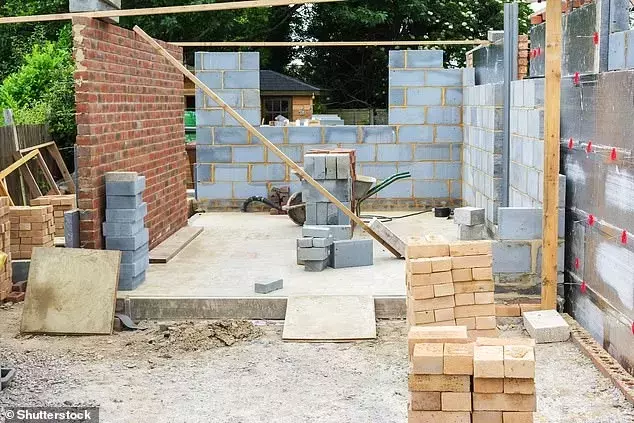
A homeowner has raised concerns about a recently constructed extension on a neighboring property. The extension, built uncomfortably close to her boundary and featuring an unfinished, visually unappealing exterior, has become a source of contention. Her attempts to involve local planning authorities yielded little concrete support, as the council indicated their enforcement capabilities are limited without the homeowner's explicit consent for access. This situation puts the homeowner in a difficult position, balancing her desire for a harmonious living environment with the assertion of her property rights and the inconvenience of potentially allowing access for construction work she disapproves of. The core of the problem lies in the perceived lack of consideration from the neighbors during the planning and execution of their building project.
The current state of the extension, characterized by its unfinished concrete block facade, significantly detracts from the visual appeal of the area and directly impacts the homeowner's garden. This raises broader questions about aesthetic compatibility in urban planning and the impact of permitted development rights on adjacent properties. While certain building works may not require explicit planning permission, they are generally expected to adhere to specific standards, including aesthetic consistency with existing structures. The homeowner's resistance to granting access is further solidified by the potential disruption to her garden, specifically the need to remove an established plant. This specific detail underscores the personal impact of such developments and the delicate balance between construction practicality and individual property enjoyment. The ongoing standoff highlights the necessity for clear communication and potentially mediated solutions when property developments affect neighboring interests.
Legal Perspectives and Potential Resolutions
Legal experts consulted on this matter affirm that homeowners are not legally obligated to grant neighbors access to their property for construction purposes, even if it's for completing an extension. Unauthorized entry would constitute trespass, a civil matter. However, the situation becomes more complex if the neighbors seek a court order under the Access to Neighbouring Land Act 1992 for 'basic preservation works.' Such orders are not automatically granted; courts assess the necessity of the work, potential inconvenience to the homeowner, and may impose conditions such as compensation for damages or specific access protocols. This legal avenue emphasizes that while a homeowner's refusal to grant access is within their rights, it might lead to a prolonged and potentially costly legal battle if not handled carefully.
The advice from legal professionals points towards a strategic approach that balances the homeowner's rights with pragmatic solutions. While the council's ability to enforce aesthetic requirements is limited without the homeowner's cooperation, the unfinished state of the extension remains a point of concern for both parties. A potential compromise could involve granting limited access under strict, mutually agreed-upon conditions, such as specifying work hours, ensuring the protection of garden features like the established plant, and possibly seeking financial compensation for any inconvenience or damage. This approach could avert legal action and facilitate the completion of the extension to a more visually acceptable standard, ultimately benefiting both parties by resolving the current impasse and preventing a prolonged eyesore. The emphasis is on negotiation and finding a middle ground that respects property boundaries while allowing for necessary, if unwelcome, improvements.