Navigating Sibling Attendance at Children's Birthday Parties
ParentsKids

Navigating Sibling Attendance at Children's Birthday Parties

authorBy Adele Faber
DateJul 12, 2026
Read time2 min

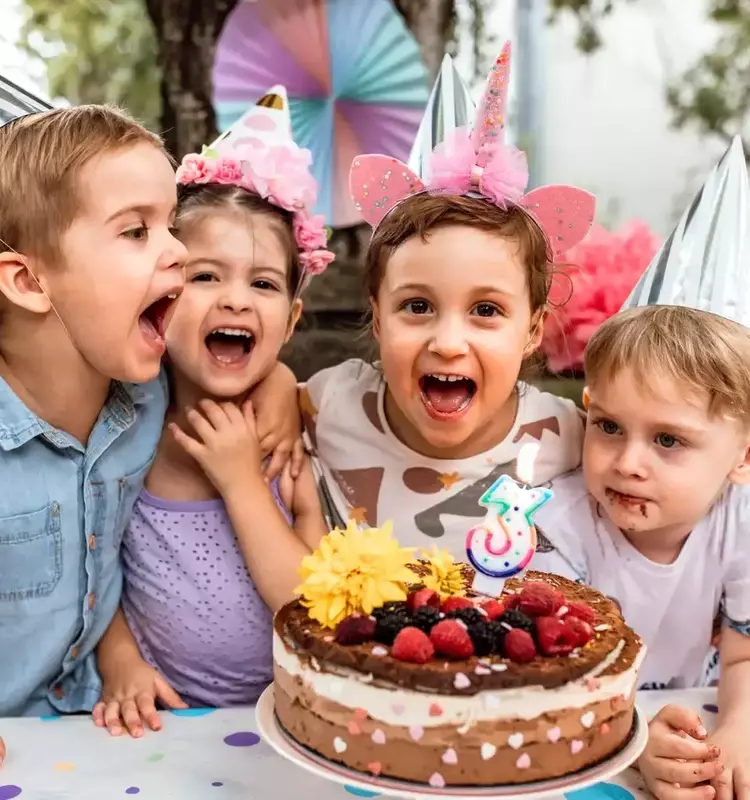
When navigating the social landscape of children's birthday celebrations, a prevalent question arises for many parents: should uninvited siblings attend? This query often stems from the daily complexities of managing multiple children, where securing separate childcare for one child while another attends a party can be a significant logistical challenge. The discussion around this topic highlights a divide in parental perspectives, emphasizing the need for clear guidelines and mutual understanding.

Insights from parenting forums reveal a strong sentiment among hosts against uninvited siblings, particularly when they expect to partake in party provisions like food and party favors. However, experts acknowledge the realities of modern parenting, where childcare constraints can make adhering strictly to invitations difficult. They suggest that open and timely communication with the host is crucial. By reaching out in advance, parents can explain their situation and inquire about the possibility of bringing an uninvited sibling, allowing the host to make informed decisions based on their budget and venue capacity. This proactive approach fosters respect and helps prevent awkwardness, underlining that a host's primary concern should not be burdened by guests' childcare arrangements.

Ultimately, the key to harmonious birthday celebrations lies in clear communication and empathy from all parties. While hosts can mitigate confusion by specifying sibling policies on invitations, guests should always prioritize the host's preferences. In situations where an uninvited sibling inadvertently attends, honesty and a willingness to assist can go a long way in resolving any discomfort. Remembering that everyone is striving to manage their family life effectively, a spirit of kindness and understanding can transform potentially awkward moments into opportunities for connection and grace.

In the intricate dance of social engagements, particularly those involving children, mutual respect and understanding form the bedrock of positive interactions. By embracing clear communication, being considerate of others' situations, and approaching unforeseen circumstances with grace, we contribute to a more harmonious and supportive community for all families.

More Articles
ParentsKids
Navigating Teen Beauty: The Truth About Supplements and Holistic Well-being
This article explores the growing trend of beauty supplements among teenagers, driven by social media influence. It examines the safety and efficacy of these products, highlighting that they are largely unregulated by the FDA and often unnecessary for healthy adolescents. Experts emphasize the importance of balanced nutrition, proper skincare, and healthy lifestyle habits over supplements for supporting skin, hair, and nail health. The piece also provides guidance on fostering positive body image and when professional medical or mental health intervention may be needed.
By Emily OsterJul 11, 2026
ParentsKids
Unschooling: A Child-Led Approach to Education
Unschooling is an educational philosophy where learning is driven by a child's natural curiosity and interests, rather than a structured curriculum. It's a subset of homeschooling that emphasizes self-directed activities and real-life experiences. While offering benefits like reduced stress and personalized learning, unschooling requires significant parental involvement and may present challenges in ensuring fundamental skill development and adherence to schedules.
By Nigel LattaJul 11, 2026
ParentsKids
Understanding Pregnancy Due Dates and Delivery Factors
Pregnancy due dates are often just estimates, with only about 4% of babies arriving on their predicted day. This article explores the various methods healthcare providers use to calculate due dates, such as the last menstrual period, ovulation dates, and ultrasounds. It also delves into factors that can influence whether a baby arrives earlier or later than expected, including maternal age, multiple pregnancies, and certain health conditions. Understanding these aspects can help expectant parents better prepare for their baby's arrival.
By Dr. Benjamin SpockJul 10, 2026
ParentsKids
Understanding Couvade Syndrome: Pregnancy Symptoms in Non-Pregnant Partners
Couvade syndrome, often called sympathetic pregnancy, is a phenomenon where non-pregnant partners experience pregnancy-like symptoms. This article explores the causes, symptoms, and potential treatments for Couvade syndrome, highlighting its recognition by medical experts despite varying prevalence rates. It delves into theories such as empathy, jealousy, and hormonal changes, emphasizing the importance of communication and support for affected individuals.
By Tiffany JewellJul 10, 2026
ParentsKids
Understanding the Onset of Labor: Key Indicators
Distinguishing between real labor and false alarms during pregnancy can be challenging, especially for first-time mothers. This guide outlines crucial signs such as period-like cramps, regular contractions, rupture of membranes, bloody vaginal discharge, and pelvic pressure, helping expectant parents identify when it's time to contact their healthcare provider. It emphasizes the importance of early consultation to ensure a safe delivery.
By Dr. Benjamin SpockJul 10, 2026