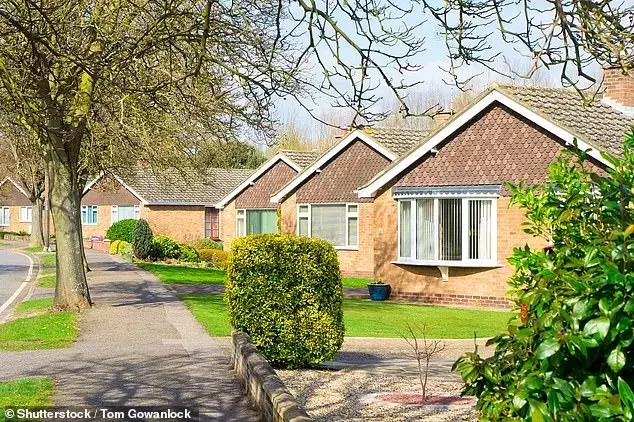
The current housing market presents a unique challenge for many, particularly for those in search of suitable downsizing options. While the dream of a new home often conjures excitement, the reality for many, including the author, is a frustrating search characterized by a lack of appropriate properties. The market seems to be a 'Goldilocks' scenario, where homes are either too expensive or too small for their cost, leaving a significant gap for properties that are just right in terms of size, price, and location. This difficulty is compounded by two primary factors: uncertainty surrounding future property market policies and a severe shortage of housing tailored for the older generation.
A major contributing factor to the housing bottleneck is the pronounced decline in the construction of bungalows and other smaller, manageable homes. Once a significant portion of new builds, bungalows now represent a mere fraction, falling from 11% in 1990 to just 1% recently. This trend is alarming, especially given an aging population that increasingly seeks single-story living or smaller residences to maintain independence and manageability. The scarcity of these types of homes not only impacts older individuals seeking to downsize but also stifles the broader housing market by preventing larger family homes from becoming available. Moreover, a growing trend of younger buyers acquiring and expanding bungalows further reduces the already limited stock of these essential homes.
Addressing this deficit is crucial for both the elderly population and the overall housing market. Building more high-quality, smaller homes, including bungalows and one-bedroom houses, is essential to meet the needs of older adults and encourage them to transition from larger properties. Integrating these smaller units into new developments would foster community inclusion and potentially accelerate housing targets. The 'Bring Back The Bungalow' campaign underscores the urgency of this issue, as millions of over-55s have abandoned relocation plans due to the lack of suitable alternatives. Prioritizing the construction of diverse housing types, particularly those catering to specific demographic needs, is vital for creating a more fluid and equitable housing landscape.
The current housing predicament, marked by a scarcity of appropriate homes for an aging population, highlights a critical need for foresight and adaptability in urban planning and construction. By recognizing and actively addressing the housing preferences of all demographics, especially our elders, we can foster a more dynamic and accessible property market. This approach not only alleviates the immediate challenges faced by those seeking to downsize but also promotes social equity and sustainable community development, ensuring that every generation has access to housing that genuinely meets their evolving needs.