Navigating the Storm: Warsh's Inaugural Challenge at the Federal Reserve
A New Leader at the Helm of Economic Policy
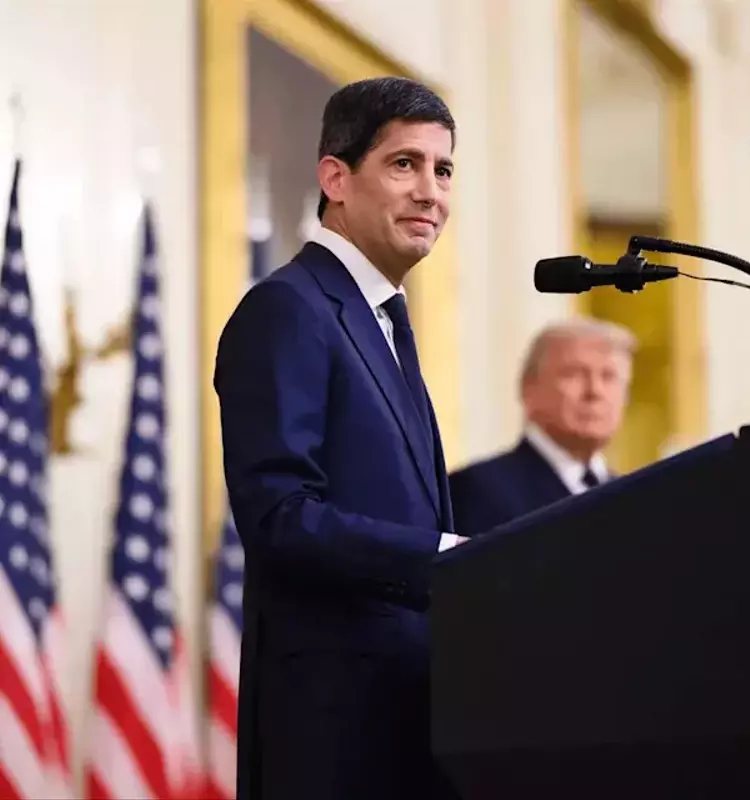
On May 22nd, Kevin Warsh officially took the reins from Jerome Powell as the head of the Federal Reserve. His ascension to this pivotal position ushers in a period of immediate scrutiny, as his first meeting as Fed Chair promises to be a delicate dance between economic realities and political demands, fraught with potential pitfalls.
Presidential Calls for Rate Reductions Amidst Surging Inflation
Former President Trump has consistently advocated for a reduction in the Federal Reserve's benchmark interest rate. His argument centers on the belief that lower rates would stimulate economic expansion and alleviate financial burdens for borrowers. This stance persists even as inflation figures present a contrasting picture, indicating an overheating economy that typically warrants tighter monetary policy.
Inflationary Pressures Defy Calls for Rate Cuts
Trump's desire for a benchmark rate of 1% or lower clashes sharply with current inflationary trends. In May, the Consumer Price Index (CPI) registered an annual inflation rate of 4.2%, marking a three-year high and more than double the Fed's long-term target of 2%. Core inflation, which excludes volatile food and energy prices, also rose by 2.9% year-over-year, underscoring persistent price pressures. Furthermore, the Personal Consumption Expenditures (PCE) Price Index, a preferred inflation gauge for the Fed due to its dynamic consumption basket, climbed 3.8% annually in April. These figures collectively suggest that rate cuts are currently economically imprudent.
The Improbable Path to Lower Rates
Given the prevailing economic conditions, a reduction in interest rates appears highly unlikely. The Federal Reserve typically implements rate cuts during periods of declining inflation and decelerating economic growth. The current landscape, however, is characterized by escalating inflation and a robust labor market, diametrically opposed to the conditions that would justify such a move.
A Precedent for Dovish Stance and Current Dilemma
Despite the current inflationary environment, Warsh faces considerable political pressure to lower rates. While he is unlikely to enact cuts at this juncture, it is notable that in the past, Warsh has been an outspoken proponent of lower rates and has criticized the Fed for what he termed "mission creep." He now confronts the challenge of reconciling his prior views with the pressing economic realities of high inflation, placing him in an unenviable position as he prepares for his inaugural meeting.
Anticipated Federal Reserve Inaction
Most economic analysts anticipate that the Federal Reserve will opt to maintain its benchmark interest rate at the upcoming June meeting. This cautious approach is deemed reasonable, particularly as recent inflationary spikes are largely attributed to geopolitical tensions, specifically the Middle East conflict. Should these tensions subside and oil prices recede, inflation could potentially ease over the summer months.
Warsh's Conundrum: A No-Win Situation
Regardless of his decision, Warsh finds himself in a difficult position. Should he yield to presidential demands for rate cuts, he risks undermining the Federal Reserve's independence and its credibility in managing inflation. Conversely, if he steadfastly prioritizes inflation control, he risks alienating the very president who appointed him. This precarious balance highlights the significant challenges inherent in his new role.
Empowering Your Retirement Planning Journey
Retirement planning, while often perceived as daunting, can be simplified with expert guidance. SmartAsset offers a streamlined process to connect individuals with vetted financial advisors tailored to their specific needs.
Streamlined Advisor Matching Process
The process begins by answering a few straightforward questions about your financial situation and retirement goals. Based on your responses, SmartAsset intelligently matches you with a selection of pre-vetted financial advisors. You then have the autonomy to review their profiles and choose the advisor who best aligns with your preferences and financial objectives, empowering you to confidently embark on your retirement planning journey.
