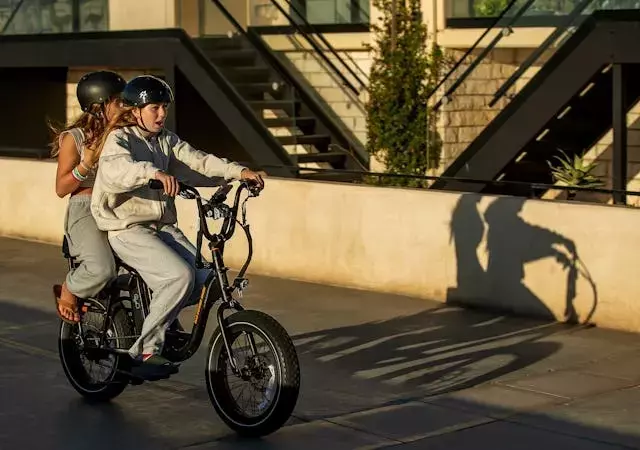
New Jersey has taken a pioneering step by introducing the most stringent e-bike regulations across the United States. This move comes in response to an alarming increase in injuries and fatalities linked to electric bicycle use, particularly among children and teenagers. The new legislation, which includes mandatory licensing, age verification, and insurance requirements, aims to significantly enhance safety for riders and other road users. This proactive approach by New Jersey could set a precedent for other states grappling with similar safety concerns.
The surge in e-bike and e-scooter related injuries among young people has become a critical public health issue. Data reveals a dramatic increase in emergency room visits for these types of accidents, highlighting an urgent need for robust regulatory frameworks. Medical professionals and safety organizations have consistently advocated for stronger oversight, emphasizing the unique dangers posed by these vehicles, which can achieve considerable speeds. The new laws are a direct response to these concerns, prioritizing the well-being of young riders and aiming to reduce the incidence of severe injuries.
New Jersey's Landmark E-Bike Legislation
New Jersey's recently implemented e-bike regulations represent a significant shift towards greater safety and accountability in the realm of electric personal mobility. These pioneering laws mandate that individuals must be at least 15 years old to operate an e-bike and possess either a specialized e-bike license or a valid driver's license. Furthermore, motorized e-bikes, capable of reaching speeds up to 28 miles per hour, are now subject to the same requirements as traditional motor vehicles, including mandatory insurance coverage and registration. While lower-speed electric bicycles (under 20 mph) do not require insurance, they still necessitate registration, and all riders, regardless of age, are now legally required to wear a helmet. This comprehensive framework underscores the state's commitment to mitigating the risks associated with the growing popularity of e-bikes, particularly among younger demographics.
The process for obtaining an e-bike license in New Jersey mirrors that of a standard car driver's license, involving a rigorous curriculum designed to ensure riders are well-versed in road safety and traffic laws. Aspiring e-bike operators must diligently study a manual covering essential safety protocols and rules of the road. Following this, they are required to pass both a vision test and a knowledge-based examination. The final hurdle is a supervised road test, where their practical riding skills and adherence to safety guidelines are assessed. These regulations, signed into law earlier this year, provide residents with a grace period until the end of the year to register their e-bikes and ensure full compliance. This structured licensing approach, coupled with stringent vehicle requirements, reflects a concerted effort to enhance rider competence and significantly reduce accident rates, aligning with expert recommendations for safer e-bike usage.
Addressing the National Surge in E-Bike Injuries
The alarming rise in e-bike and e-scooter related injuries nationwide has prompted a critical re-evaluation of safety protocols and regulations. Recent data from health systems indicates a staggering 671% increase in emergency room visits for e-bike and e-scooter injuries among children and adolescents between 2023 and 2026. Pediatric trauma centers across the country are now reporting e-bikes as a leading cause of severe injuries in school-aged children, surpassing traditional bicycle accidents in severity. This concerning trend has highlighted a significant gap in existing safety standards and regulatory oversight, underscoring the urgent need for more robust measures to protect young riders from the inherent dangers of these increasingly powerful and prevalent devices. The rapid adoption of e-bikes, particularly by minors, without adequate safety education or age-appropriate restrictions, has contributed to this escalating public health challenge.
In response to the escalating injury statistics, leading health organizations such as the American Academy of Pediatrics strongly advocate for stricter age limits, recommending that no one under the age of 16 be permitted to operate e-bikes or e-scooters. They emphasize that teenagers within this age bracket generally possess the necessary physical control and cognitive maturity to navigate road rules effectively, citing motor vehicle collisions and loss of control as primary causes of pediatric e-bike fatalities. Similarly, the Consumer Product Safety Commission advises against allowing children aged 12 and under to operate any motorized bike or scooter exceeding 10 miles per hour. Furthermore, the CPSC reports that e-bikes were implicated in approximately 53,000 emergency department visits and 104 deaths between 2017 and 2022. Due to the high speeds involved, e-bike injuries often resemble those sustained in motorcycle crashes, with a significant proportion involving head trauma. Experts now suggest that riders of faster e-bike models should consider wearing motorcycle helmets, as typical bicycle helmets may not offer sufficient protection at elevated speeds. As New Jersey pioneers comprehensive e-bike legislation, other states are expected to follow suit, signaling a national trend towards enhanced safety regulations and rider responsibility.
