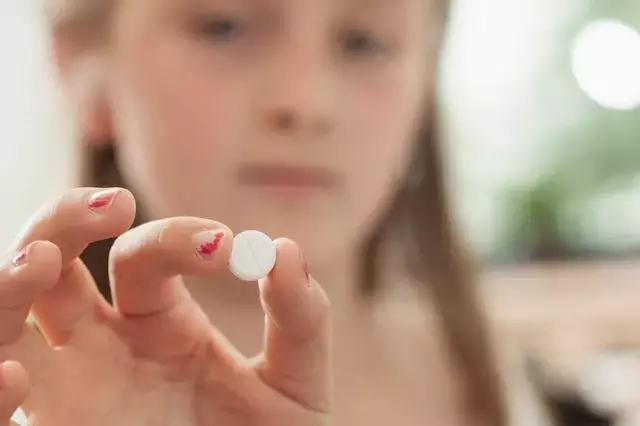
A recent study from Nationwide Children's Hospital sheds new light on the critical importance of medication safety for children aged 6 to 12, prompting parents to reconsider their current storage practices. While many parents instinctively focus on safeguarding medications from infants and toddlers, this research indicates a troubling increase in substance exposures among school-aged children. The study reveals a significant surge in calls to poison control centers concerning self-harm and suicidal intent within this age group, underscoring the urgent need to address both physical safety and mental health discussions earlier than commonly perceived.
Analyzing data from U.S. poison centers, the study identified over 1.5 million reported substance exposures in children aged 6 to 12 between 2000 and 2023. Nearly half of these incidents were attributed to therapeutic errors, such as accidental double-dosing. More alarmingly, a small but growing percentage involved suspected self-harm or suicidal intent, with a staggering 72% increase among 6-to-10-year-olds, a 398% rise for 11-year-olds, and a 343% increase for 12-year-olds. The most commonly involved substances included pain relief medications, antihistamines, cough and cold remedies, stimulants, and vitamins. These findings challenge the traditional focus of substance exposure research, which often concentrates on unintentional exposures in younger children or recreational drug use among adolescents, drawing attention to a previously overlooked demographic.
To enhance child safety, experts recommend implementing a comprehensive home medication safety plan. This involves securing all prescription and over-the-counter medications, including vitamins and supplements, in locked cabinets, drawers, or containers, as children in this age group can often access higher shelves or bypass child-resistant packaging. Similar precautions should extend to household cleaners, alcohol, cannabis products, and vaping liquids, given that nearly all reported exposures occur at home. Parents should avoid storing medications in accessible bags or referring to them as \"candy\" or \"treats.\" Additionally, it is crucial for parents to diligently track medication dosages given to children and to recognize signs of distress such as mood or behavioral changes, expressing feelings of burden, or physical symptoms like headaches or changes in appetite. Keeping the Poison Help Line (1-800-222-1222) readily available and seeking professional help for mental health concerns are vital steps in protecting children. This study underscores that seemingly small preventative measures, like purchasing medications in blister packs, can offer a crucial pause that may save a life when suicidal thoughts arise impulsively.
This critical research highlights the evolving challenges in protecting children from medication-related harm and emphasizes the importance of a holistic approach to child well-being. By understanding these new risks and proactively implementing safety measures, parents can create a more secure home environment and foster open communication about mental health. Remaining vigilant for signs of distress and being prepared to offer support can empower families to navigate these complex issues effectively. Ultimately, ensuring the safety and mental health of our children requires continuous awareness, education, and decisive action.
