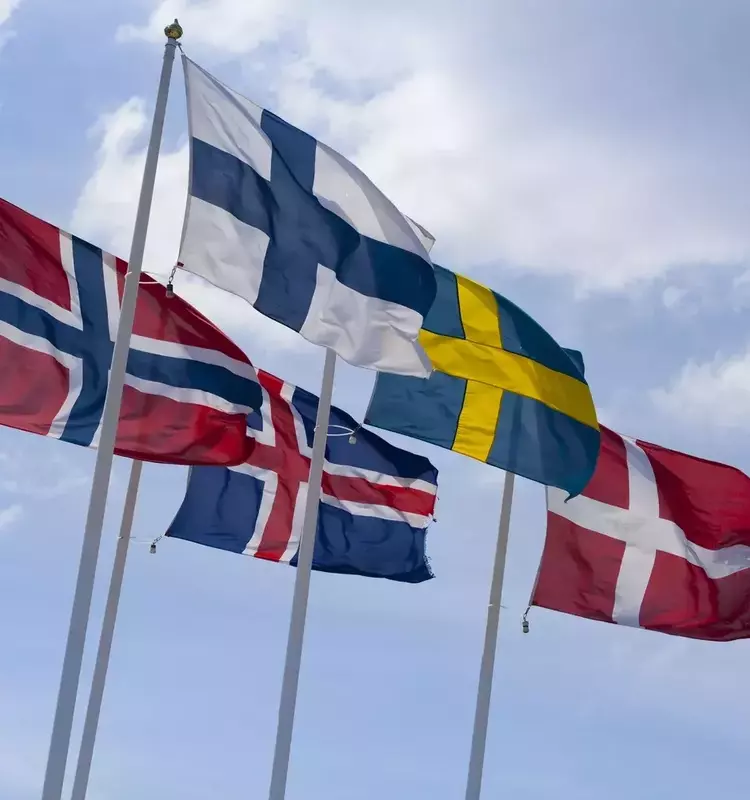
The Nordic model, characterized by its unique blend of capitalism and robust social welfare systems, offers both market efficiency and extensive social support. This economic framework, prevalent in Nordic nations, relies on high taxation to fund comprehensive public services and strong labor protections, which are central to its design.
The Nordic Model: A Detailed Examination
The Nordic model, often referred to as the Scandinavian model, represents an economic system that seamlessly integrates elements of both capitalism and socialism. At its core, this model prioritizes public social services, significant investments in human capital, and a comprehensive social safety net. A defining characteristic is the principle of society-wide risk sharing, where collective responsibility helps individuals and families navigate economic uncertainties.
Key features of this model include:
- Public provision of social services, entirely funded by taxes.
- Substantial investment in crucial sectors such as education, childcare, and other services that enhance human capital.
- Robust protections for the workforce, largely facilitated by strong trade unions and an extensive social safety net.
Interestingly, Nordic countries typically do not enforce a minimum wage, as powerful labor unions effectively ensure high wage standards. The success of the Nordic model is also attributed to the cultural fabric of these nations, which is marked by high levels of trust in government, relative cultural homogeneity, and minimal corruption. This societal cohesion allows for a collaborative approach to addressing challenges and reaching compromises through democratic means. Citizens generally exhibit strong confidence that both public and private sectors are aligned with their best interests, driven by a social contract focused on fairness.
Despite its strengths, the Nordic economic model faces ongoing challenges. To sustain its generous welfare benefits, Nordic countries must actively promote high workforce participation. While their economies generally demonstrate stability and growth, there have been periods, such as the 1990s, when several Nordic nations contended with issues of low productivity and high unemployment. Furthermore, an aging population combined with a shrinking workforce presents future obstacles in generating sufficient tax revenue to support the increasing demand for social services for both the elderly and the broader society.
The Nordic tax system, which features notably high tax rates compared to countries like the United States, is fundamental to funding this extensive social safety net. This taxation supports universal healthcare, free education, generous parental leave, and comprehensive child support, among other benefits. The model's success stems from its ability to cultivate a highly educated workforce, which, in turn, boosts workforce participation and strengthens economic development. By having the government assume responsibility for significant economic factors such as healthcare and higher education costs, the system aims to create a more equitable and supportive society.
Reflections on a Balanced Economic System
The Nordic model offers a compelling case study in balancing economic growth with social equity. Its success highlights the potential benefits of robust social safety nets and collective investment in human capital. For other nations, particularly those grappling with economic inequality and social disparities, the Nordic experience suggests that a higher degree of trust between citizens and government, coupled with a commitment to shared prosperity, can yield remarkable results. However, it also underscores the continuous need for adaptability and strategic planning, especially in the face of demographic shifts, to ensure the long-term sustainability of such comprehensive welfare systems.
