Nordstrom Expands Toy Offerings Through Strategic Partnership, While Economic Indicators Show Mixed Signals
This report highlights Nordstrom's innovative strategy to boost consumer engagement through a partnership with FAO Schwarz, alongside a review of key economic figures and significant shifts in the retail landscape. The collaboration aims to revitalize in-store experiences and broaden product offerings, while economic data points to a resilient yet inflationary environment. Furthermore, the analysis covers Amazon's ascendancy to the top of the U.S. retail market.
Nordstrom's Toyland Expansion, Economic Snapshot, and Retail's Shifting Sands
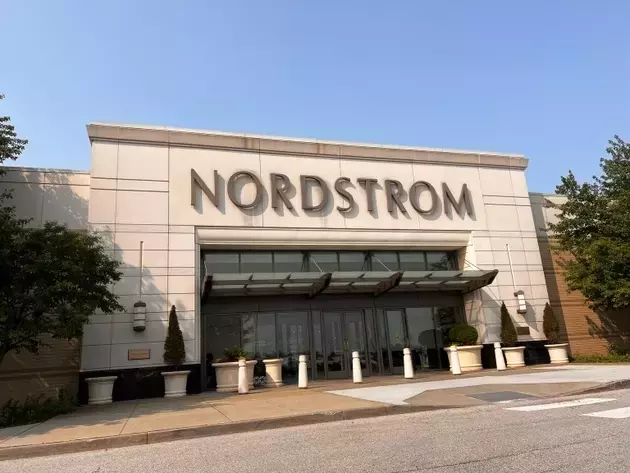
In a strategic move to captivate a younger demographic and enhance its in-store appeal, the esteemed department store chain, Nordstrom, has forged a significant alliance with the iconic toy retailer, FAO Schwarz. This partnership, announced recently, is set to dramatically expand Nordstrom's toy inventory across its physical stores and digital platforms. The initiative kicked off with the grand opening of a sprawling 5,000-square-foot FAO Schwarz flagship store within Nordstrom's prominent New York City location, situated at the bustling intersection of 57th Street and Broadway. Additionally, a series of "Jewel Box" toy shops are slated to be introduced in eight other Nordstrom outlets across the United States next month. These specialized shops are designed to offer more than just merchandise; they will feature engaging toy demonstrations, captivating storytelling sessions, and interactive experiences, all centered around a meticulously curated selection of FAO Schwarz's signature and specialty toys. To further enrich the customer experience, Nordstrom plans to employ FAO Schwarz Toy Specialists in select stores, who will provide guided play and personalized interactive selling services. FAO Schwarz, with its rich history dating back to 1862, is renowned for its theatrical retail environment, elaborate window displays, and celebrated teddy bears, promising to bring a unique blend of nostalgia and novelty to Nordstrom customers.
Simultaneously, financial markets are grappling with a mixed bag of economic indicators. Bond traders, in particular, are observing the persistence of inflation despite some signs of economic strength. The core Personal Consumption Expenditures (PCE) price index, a key inflation metric favored by the Federal Reserve, recorded a 0.3% increase in May, aligning with market expectations. This pushed the annual core inflation rate to 3.4%, a figure that remains stubbornly above the Federal Reserve's long-term target of 2%. Concurrently, the final revision of the first-quarter Gross Domestic Product (GDP) growth estimate was surprisingly robust, climbing to 2.1% from an earlier projection of 1.6%. This upward adjustment was primarily attributed to a downward revision in imports, partially offset by a slight decrease in consumer spending. Heather Long, a prominent chief economist at Navy Federal Credit Union, emphasized that consumer spending continues to be the bedrock of the U.S. economy. While she anticipates a rebound in the initially "anemic" 0.5% growth figure for the second quarter, she stressed the importance of closely monitoring consumer spending trends going forward.
In the dynamic world of active stocks, several companies are making headlines. Apple experienced a dip in its stock performance following its decision to increase the starting prices of many of its devices, including the MacBook Neo, a move necessitated by an unprecedented shortage of memory components. In contrast, Sandisk saw a significant surge in its stock value, mirroring a rally fueled by Micron Technology. Citi, a leading financial institution, raised its price target for the storage manufacturer to an impressive $2,500 and initiated a 90-day upside catalyst watch. Wendy's, the fast-food giant, continued its volatile journey as a meme stock, with its trajectory echoing the retail-driven short squeezes that characterized financial markets in 2021, according to Vanda Research. Meanwhile, a notable shift in the retail hierarchy has been observed: Amazon has officially surpassed Walmart to become the largest retailer in the U.S. by sales, a milestone achieved sometime last year, as revealed by a recent analysis from JPMorgan. This marks a historic moment, as the last retailer to hold this distinction over Walmart was Sears. Analyst Doug Anmuth attributed Amazon's dominance to its extensive product selection, competitive pricing strategies, and rapid delivery services, asserting that these factors are likely to solidify Amazon's top position in gross merchandise value. The e-commerce giant is estimated to command a substantial 47% share of the U.S. e-commerce market.
Nordstrom's forward-thinking approach with FAO Schwarz is a compelling example of how traditional retail can innovate to stay relevant in a competitive market. By creating unique in-store experiences and expanding product categories, Nordstrom is not just selling toys; it's cultivating an emotional connection with consumers, potentially driving both foot traffic and brand loyalty. This strategy could serve as a blueprint for other legacy retailers looking to differentiate themselves in an increasingly digital world. Economically, the intertwined narratives of persistent inflation and robust GDP growth paint a complex picture. The Federal Reserve faces a delicate balancing act: reining in inflation without stifling economic momentum. For consumers, this means continued vigilance over spending and an awareness of how rising prices might impact their purchasing power. Lastly, Amazon's rise to the top of U.S. retail underscores the irreversible shift towards e-commerce. Its dominance, built on convenience and variety, challenges traditional retailers to adapt or risk obsolescence. Businesses must either embrace digital transformation or find niche markets where personalized experiences can still thrive. The market's reaction to individual stocks like Apple, Sandisk, and Wendy's further highlights the diverse factors—from supply chain issues to social media trends—that influence investor sentiment and company valuations in today's fast-paced economic climate.
