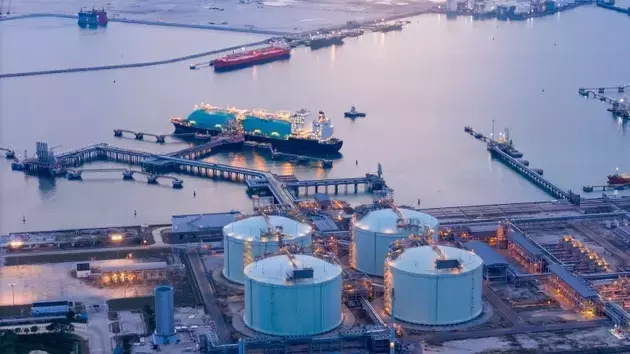
Nuclear power is re-emerging as a pivotal solution for global energy security, driven by escalating geopolitical tensions and inherent volatility in fossil fuel markets. Despite previous efforts to reduce reliance on nuclear energy, recent disruptions in the oil and liquefied natural gas (LNG) sectors underscore its strategic importance as a stable, reliable power source. This resurgence is not new, as a quiet but consistent global movement towards building and reactivating nuclear facilities has been underway for several years, motivated by both environmental concerns and the critical need for energy independence.
A notable aspect of this shift is the tightening supply of uranium, the primary fuel for nuclear reactors. While demand for nuclear power grows, fueled by a global push for clean energy and energy security, uranium production struggles to keep pace. This supply constraint, exacerbated by operational bottlenecks and the long lead times required to develop new mines, contributes to price volatility and highlights the challenges in scaling up nuclear power generation. The increasing role of nuclear energy in national energy portfolios, especially in rapidly developing regions like Asia, signals a long-term commitment to this power source, making the stability of uranium supply a key concern for the future.
The Resurgence of Nuclear Power in a Volatile Energy Landscape
In an era marked by unpredictable global events and fluctuating energy markets, the strategic value of nuclear power is increasingly recognized. Historically, nuclear energy faced skepticism and calls for its reduction due to safety concerns and waste disposal challenges. However, the current geopolitical climate, particularly the instability witnessed in early 2026 within the oil and LNG markets, has significantly altered this perspective. Nations are now prioritizing energy independence and stability, viewing nuclear power as an indispensable component of a resilient energy infrastructure. The ability of nuclear plants to provide consistent, large-scale electricity generation, independent of weather conditions or external supply chain disruptions, positions it as a critical hedge against the volatility inherent in fossil fuel markets.
This renewed interest is not merely a reactive measure but a continuation of a gradual, sustained effort over several years to bolster nuclear capabilities worldwide. Driven by a dual mandate of combating climate change and enhancing energy security, governments and energy providers are investing in the construction of new reactors and the recommissioning of existing ones. This momentum reflects a broader understanding of nuclear energy's role in achieving a diversified and secure energy mix, capable of withstanding external pressures. The strategic shift towards nuclear power is a testament to its evolving perception as a clean, reliable, and secure energy solution in a world increasingly susceptible to energy market fluctuations.
Uranium Supply Challenges Amidst Rising Global Demand
The increasing global reliance on nuclear energy has brought to the forefront the critical issue of uranium supply. As nuclear power gains traction as a cornerstone of energy security, the demand for uranium, its essential fuel, is experiencing a significant uptick. However, the supply side of this equation is fraught with challenges. Major uranium-producing nations are grappling with operational constraints, which limit their capacity to rapidly increase output. The development of new uranium mines is a notoriously lengthy process, often requiring years from initial discovery to full-scale production, even after receiving regulatory approvals. This inherent delay creates a bottleneck in meeting the burgeoning demand, contributing to price volatility and potential supply shortfalls.
Compounding these issues is the substantial and growing demand from regions like Asia, which is at the vanguard of nuclear power expansion. Countries such as China are undertaking ambitious nuclear construction programs, with a significant number of reactors currently under development. This concentration of new nuclear capacity in Asia alone accounts for a substantial portion of future uranium demand, underscoring the urgency for a stable and predictable supply chain. The confluence of rising global demand, slow mine development, and operational hurdles highlights a looming challenge for the nuclear energy sector. Ensuring a steady and adequate supply of uranium will be crucial for the continued expansion and long-term viability of nuclear power as a global energy solution.
