Nuclear Reactor Resurgence: A New Era for Carbon-Free Power
Finance

Nuclear Reactor Resurgence: A New Era for Carbon-Free Power

authorBy Michele Ferrero
DateJul 13, 2026
Read time3 min

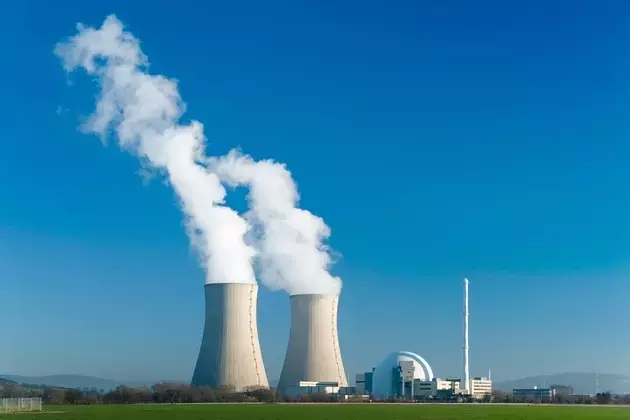
The American nuclear energy industry is witnessing a transformative period, shifting its focus from merely preserving existing reactor capabilities to actively re-energizing previously idled power plants. This strategic pivot is exemplified by projects such as Holtec International's Palisades nuclear plant, which is rapidly approaching its operational restart. The revitalized interest in bringing decommissioned reactors back online and extending the lifespan of operational ones presents a pragmatic and environmentally conscious approach to augmenting large-scale, carbon-free energy production. This method circumvents the protracted development and construction phases typically associated with building new nuclear facilities. Consequently, this evolving landscape offers compelling investment prospects in utility companies and specialized nuclear service firms, as these entities are strategically positioned to capitalize on the heightened value and extended operational contributions of established nuclear infrastructure.

The decision to restart facilities like the Palisades plant marks a critical juncture for the U.S. nuclear sector. Previously, the focus was predominantly on managing the decline of older reactors, often due to economic pressures or perceived safety concerns. However, a renewed appreciation for nuclear power's role in a carbon-neutral future, coupled with advancements in operational efficiency and safety protocols, has spurred a reevaluation of these assets. The process involves extensive upgrades, regulatory approvals, and rigorous safety checks, ensuring that these facilities meet contemporary standards. This not only enhances energy security but also contributes significantly to climate change mitigation efforts by providing a consistent and reliable source of clean electricity. The economic viability of these restarts is often strengthened by government incentives and long-term power purchase agreements, making them attractive ventures for energy companies.

Furthermore, the trend of extending the operational life of existing reactors complements the restart initiatives. Many reactors, initially licensed for a certain period, can safely and efficiently continue to operate for decades longer with proper maintenance and component replacement. This approach maximizes the return on initial investment and leverages existing infrastructure, reducing the need for new site development and construction. The benefits extend beyond energy production, fostering local employment, supporting technological innovation in nuclear engineering, and contributing to regional economic stability. This shift underscores a broader recognition that nuclear power, particularly through the optimized use of current assets, is indispensable for achieving ambitious clean energy targets and ensuring a stable power supply for future generations.

The revitalization of nuclear reactors, through both restarts and life extensions, provides a streamlined pathway to enhancing America's firm, carbon-free power capacity. This strategy is proving to be a more immediate and cost-effective solution compared to the lengthy and capital-intensive process of constructing entirely new nuclear power plants. It underscores a growing confidence in the long-term viability and strategic importance of nuclear energy within the national energy matrix.

More Articles
Finance
Amazon's New Venture: Supply Chain Services Disrupting Logistics Landscape
Amazon is venturing into a new business domain with Amazon Supply Chain Services (ASCS), aiming to leverage its extensive logistics infrastructure for external clients. This strategic move could revolutionize residential parcel delivery by offering competitive pricing and improving network utilization. Analyst projections suggest ASCS might contribute 2-5% to Amazon's annual operating income, primarily by enhancing cost efficiency in its retail logistics. This development underscores Amazon's continuous innovation beyond its traditional e-commerce, cloud computing (AWS), and advertising sectors, with potential for expansion into freight and international markets.
By Strive MasiyiwaJul 13, 2026
Finance
Franco-Nevada: Resilience in a Volatile Gold Market
Franco-Nevada Corporation has demonstrated remarkable stability in a challenging year for gold, outperforming its mining peers. This performance is attributed to its unique business model, strong future prospects through 2026, and favorable market multiples. Despite recent gold price weakness, the company's robust fundamentals and potential for P/E expansion warrant a Buy rating, suggesting it is a sound investment.
By Robert KiyosakiJul 13, 2026
Finance
Amazon's Strategic Investments Masking True Growth Potential
Amazon is being undervalued by the market due to concerns over declining free cash flow and significant capital expenditure on AI. However, these investments are strategic, fueling growth in high-margin advertising and cloud services, with a substantial AWS backlog and a fair value of $316/share. This analysis suggests Amazon is a compelling buy based on its quality growth fundamentals.
By David RubensteinJul 13, 2026
Finance
The Impact of AI on Future Employment: Automation and Value Creation
This article explores the transformative impact of artificial intelligence on the job market. It emphasizes that companies focusing on application-layer AI are best positioned for long-term growth and that job security will increasingly depend on an individual's role in core value production. Roles involving repetitive or administrative tasks are more susceptible to automation, while those central to innovation and strategic value creation are likely to be augmented by AI, leading to enhanced productivity and new opportunities.
By Lisa JingJul 13, 2026
Finance
Bitcoin and Ethereum in June: A Mixed Recovery Landscape
June presented a complex recovery landscape for Bitcoin and Ethereum. While both cryptocurrencies showed signs of rebounding from periods of weakness, the evidence from various market layers—options, futures, and spot trading—often diverged. Bitcoin primarily exhibited absorption against pressure, with options signaling risk but futures and spot markets introducing complications. Ethereum, conversely, displayed a more consistent, albeit interrupted, trend toward multi-layer downside, especially later in the month. The key takeaway is the conditional nature of investor sentiment, with future market movements dependent on the synchronized behavior of these diverse data streams.
By Morgan HouselJul 13, 2026